Britain’s Hidden Nature Network: Why Feeding Garden Birds Still Matters
Across Britain, something remarkable is happening...
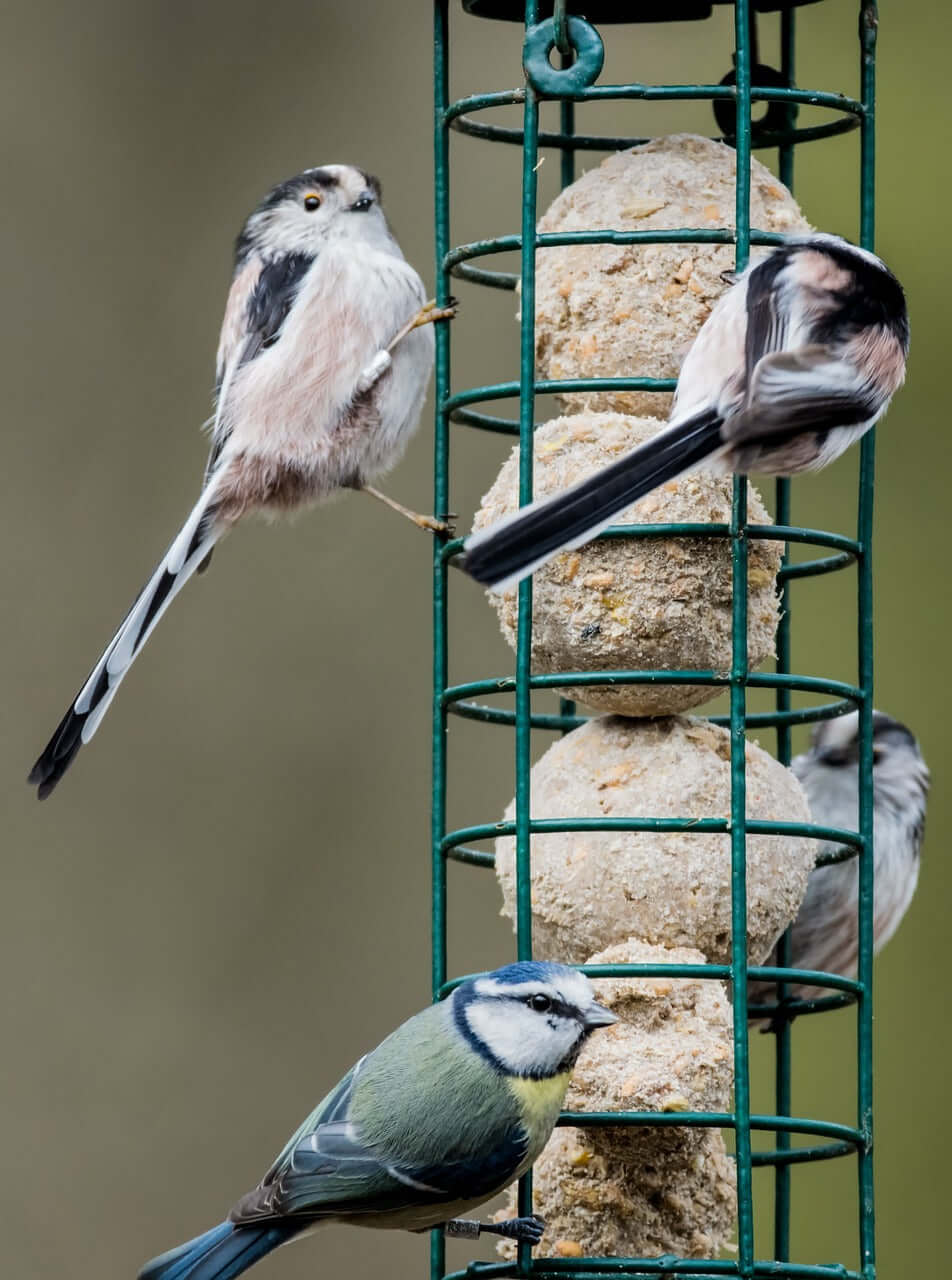
Millions of people are helping wildlife survive - often without even realising it. It’s happening every day, in gardens. A hidden landscape for wildlife. More than half of UK households feed birds. That’s around 12 to 13 million gardens.


If you could see it from above, it wouldn’t look like one continuous landscape. It would look like something else entirely: A vast, connected network woven through towns, cities, and countryside. Not managed by one organisation. Not protected by designation. But sustained every day by people who care.
Britain’s Hidden Nature Network
A system of small, individual spaces that - together - play a vital role in supporting wildlife across the country.
And like any network, it only works if it’s maintained properly.
-

The scale of it
The numbers alone are extraordinary. 12–13 million gardens actively feeding birds. Around 25 million offering some form of habitat. This isn’t a niche activity. This is one of the largest, most widely distributed wildlife-support systems in the UK.
-

A network of gardens
To us, a garden has boundaries. To a bird, it is part of a journey. Gardens act as stepping stones - linking fragmented habitats and helping birds move, feed, rest, and survive. In a world where natural habitats are shrinking and food sources are less predictable, these connections matter more than ever.
-

So what happens next?
There’s been increasing discussion about whether feeding birds should change - particularly during spring and summer. But this raises an important question: What happens if these stepping stones disappear? Where do birds go when reliable food sources are removed? With wildlife populations already under pressure, there isn’t a simple answer.
-

Why bird feeding still matters
Feeding birds isn’t about replacing nature. It’s about supporting it in the spaces where people and wildlife now meet. And when it’s done properly, it can play a meaningful role. One clear example is the Great Spotted Woodpecker. Once rarely seen in many gardens, it’s now a regular visitor, supported in part by the reliable, high-energy food available at feeders, particularly peanuts and sunflower hearts. It’s a reminder that feeding, done responsibly, can support survival and reproduction. There’s also a human side to this. Access to birds and everyday wildlife plays an important role in people’s health and wellbeing - offering connection, calm, and a closer relationship with nature.


Feed birds properly
Feeding birds isn’t something to stop. It’s something to do properly. That means:
- Keeping food fresh and dry
- Feeding little and often
- Avoiding build-up and waste
- Cleaning feeders and water regularly
Most risks linked to bird feeding come down to hygiene and build-up, not the act of
feeding itself.
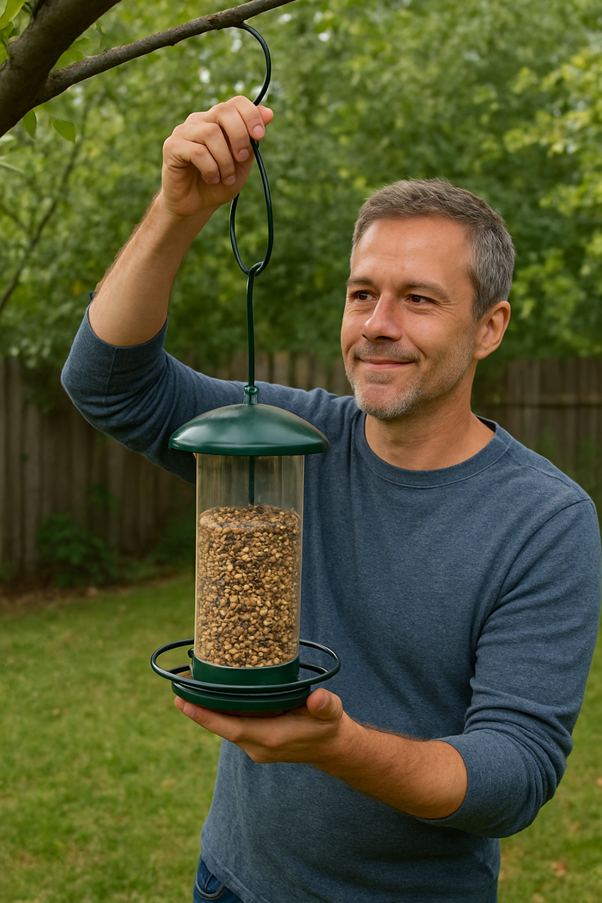
Small changes, across millions of gardens, make a big difference. You’re already part of it. Whether you realise it or not, you’re already part of Britain’s Hidden Nature Network. And what you do in your garden matters. Not just to the birds that visit you - but to the wider system they depend on. Keep feeding birds properly.
