




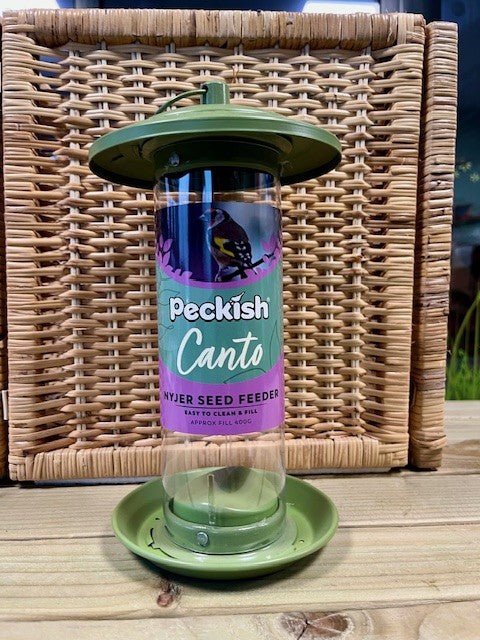

01 / Everyday Feeding
Tube Niger Feeders
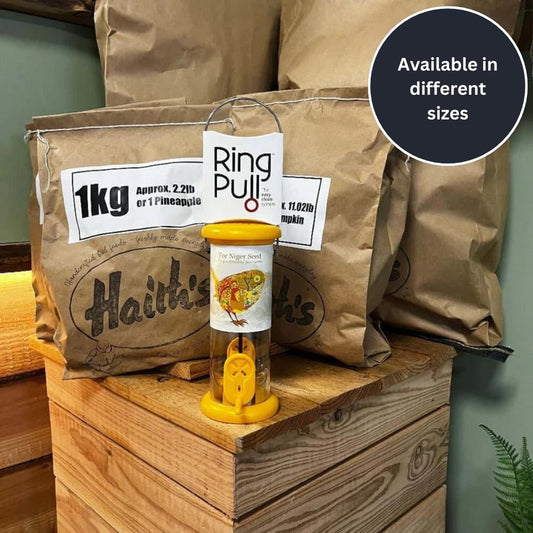
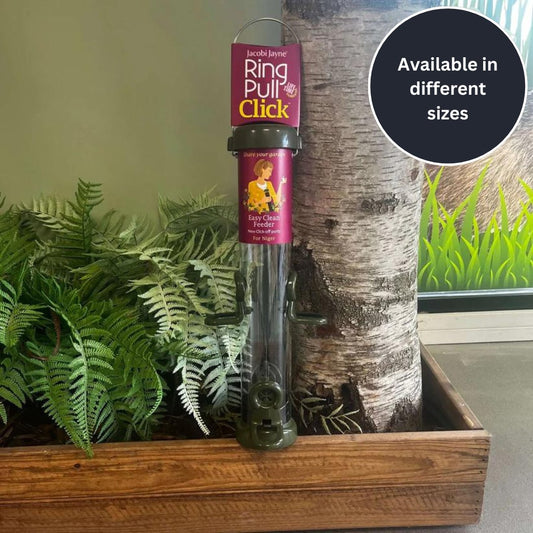
A straightforward specialist feeder with small feeding openings suited to niger seed.


Choosing A Niger Feeder
Niger seed is much smaller than many other bird seeds, so a feeder with suitably small openings helps keep the seed contained and accessible.
The right feeder depends on the birds visiting your garden, how much seed you want to offer and how easy you want the feeder to be to refill, inspect and clean.
Find Your Feeding Route
The feeding ports are what make these feeders different. They are designed around the very small size of niger seed.
A straightforward specialist feeder with small feeding openings suited to niger seed.

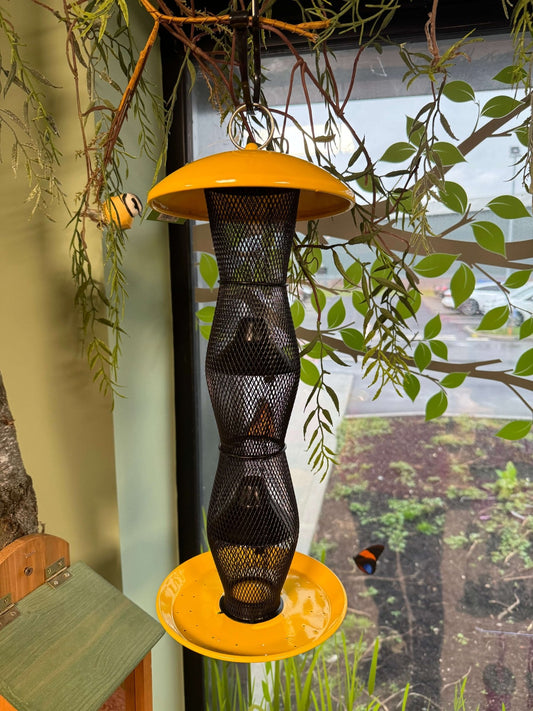
More robust designs provide another option for regular use, different capacities and different feeding styles.

Some niger feeders allow birds to cling directly to the feeder rather than relying on conventional perches.

Food & Feeder
A specialist niger feeder is designed around the unusually small size of the seed. Standard seed feeders can have openings that are too large, allowing fine seed to spill unnecessarily.
Check that the feeding ports remain clear, keep the seed dry and remove food that becomes damp, spoiled or compacted.
Shop Niger SeedWhy A Specialist Feeder?
Niger seed is fine enough to escape through feeding openings designed for larger seed mixes.
A dedicated niger feeder uses smaller ports to help keep the food where it belongs while still allowing birds to access it.
Watch Your Visitors
Niger seed is particularly associated with finches, including goldfinches and siskins.
The birds that visit will depend on the species present locally, the feeder design, its position and the other feeding choices available in your garden.
Shop By Wild BirdManaging Access
If squirrels regularly visit your feeding area, deal with that through feeder design rather than assuming niger seed itself will keep them away.
Caged or squirrel-resistant feeder designs may help manage access, depending on their design, position and the squirrels visiting your garden.
Explore Squirrel-Proof FeedersFeed Birds Properly
Niger seed can be affected by damp conditions just like other bird foods. Check the feeder regularly and remove food that has become wet, spoiled or compacted.
Clean the feeder when residue or debris begins to build up, allow it to dry and refill with fresh food in manageable amounts.
Read The Responsible Feeding GuideExplore More
Explore feeders for other seed mixes and straight seeds.
Explore seed feeders →Explore more feeder designs created with smaller garden birds in mind.
Explore small bird feeders →Explore Haith’s wider range of foods for garden birds.
Explore bird food →Helpful Answers
Practical guidance on choosing, using and looking after a niger seed feeder.
A specialist niger seed feeder is the most practical choice because niger seed is very small. The smaller feeding openings help keep the seed contained while allowing birds to access it.
Niger seed is particularly associated with finches such as goldfinches and siskins. The species visiting your feeder will depend on the birds present locally and how the feeder is positioned and used.
Some standard seed feeders may have openings that are too large for niger seed, which can lead to unnecessary spillage. A feeder designed for niger seed is usually the more practical option.
Use a feeder designed for niger seed and make sure the feeding ports remain in good condition. A compatible feeder tray may also catch some loose seed.
Remove seed that has become damp, spoiled or compacted. Clean the feeder when needed, allow it to dry and refill with fresh, dry seed.
Clean it regularly and whenever food residue, droppings or other material begins to build up. Allow the feeder to dry before adding fresh seed.
Do not rely on the food itself to exclude squirrels. If squirrels regularly use the feeding point, consider a caged or squirrel-resistant feeder design.