







01
Feeders & Tables
Remove old food and visible debris. Dismantle equipment where possible so less obvious surfaces can be cleaned.

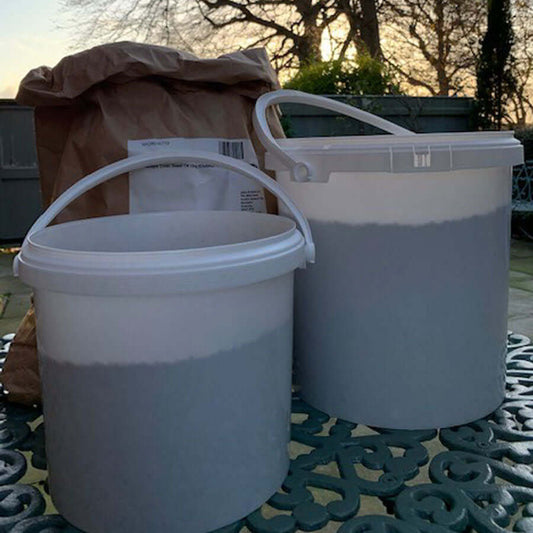

Clean equipment. Fresh food. Fresh water.
Birds gather closely around feeders, tables and water. A regular cleaning routine helps reduce the build-up of old food, droppings and contamination around these shared spaces.
Clean thoroughly at least weekly, and more often when use or conditions require it. Refresh drinking water every day and respond promptly if a bird appears unwell.


Clean food is the starting point. Clean equipment completes the routine.
A practical weekly routine
Clean outside, wear suitable gloves and keep equipment used for birds separate from household washing-up equipment.
Discard leftover food in an outdoor household bin. Do not reuse or compost it.
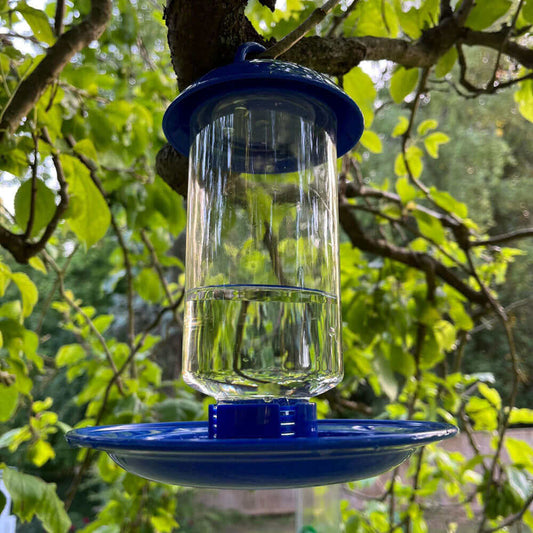
Take the feeder apart so ports, seams and hidden surfaces can be reached.
Scrub away food and debris using hot soapy water and a dedicated brush.
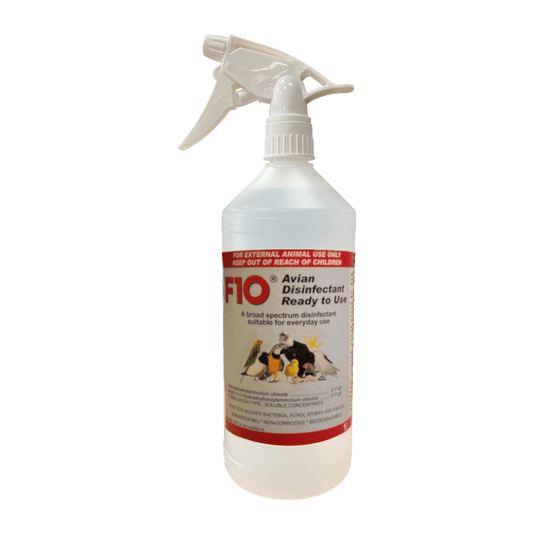
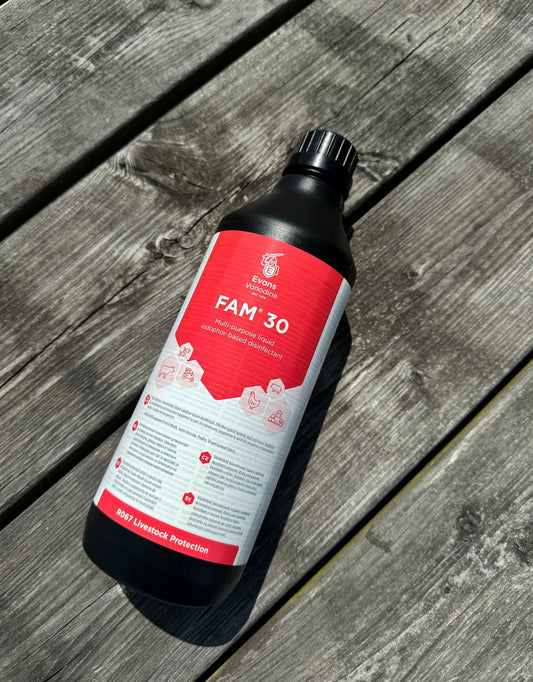
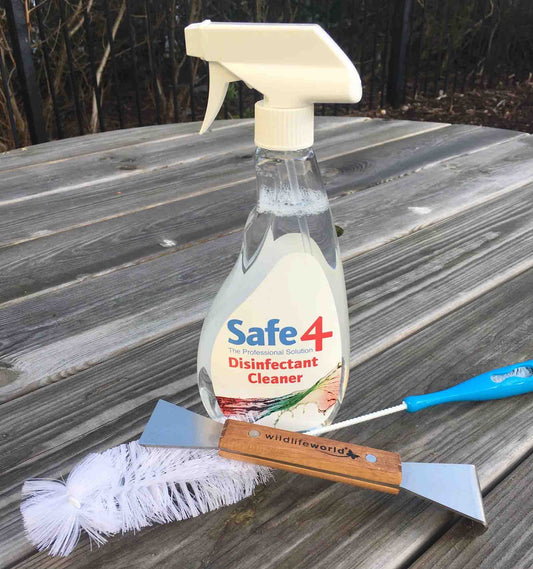
Use an animal-safe disinfectant and follow the product instructions carefully.
Rinse every part thoroughly with fresh water.
Allow all parts to dry completely before reassembling and refilling.
Wash hands and forearms thoroughly with soap and water when finished.
Care for the whole feeding area
Hygiene is not limited to the feeder itself. Food, water, surrounding surfaces and storage all need attention.
Remove old food and visible debris. Dismantle equipment where possible so less obvious surfaces can be cleaned.

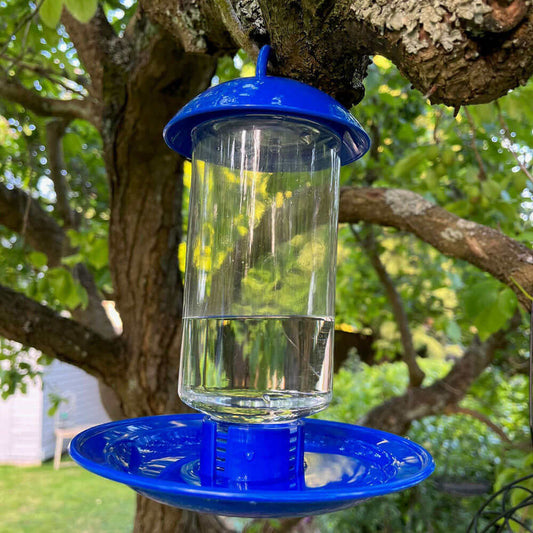
Replace provided water with fresh tap water every day and clean the container thoroughly at least weekly.

Offer manageable amounts, keep food dry and remove anything damp, spoiled or left to accumulate.

Store food in a cool, dry place. Clear old food and droppings beneath feeding points and change locations regularly where practical.
Choose the right tools
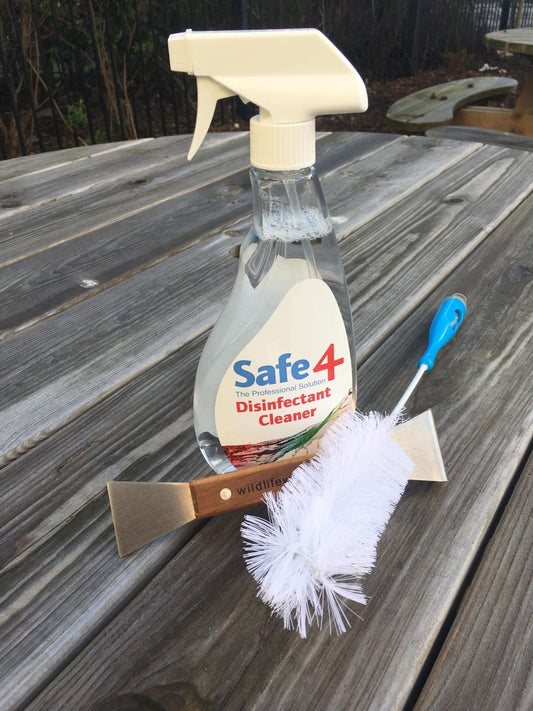
Use the product grid above to choose equipment for your own feeding set-up. Always read and follow the instructions supplied with cleaners and disinfectants.
Helpful answers
Simple guidance for cleaner, better-managed feeding.
Haith’s practical standard is to clean feeders and bird baths thoroughly at least weekly, and more often where use or conditions require it. Replace provided water with fresh tap water every day.
Yes. Keep brushes, containers and other equipment used for birds separate from household washing-up equipment. Clean outside, wear suitable gloves and wash your hands and forearms afterwards.
Allow every part to dry completely before reassembling and refilling. Keep food dry and remove anything damp, spoiled or uneaten.
No. Clean food is an important starting point, but it does not replace regular cleaning of feeders, bird tables, water containers and the surrounding feeding area.
Pause feeding, remove shared water, discard remaining food and clean and disinfect all equipment. Haith’s recommends stopping for at least three weeks when disease is suspected and only resuming when birds showing signs of disease are no longer being seen. Read the full guidance for signs to notice and further actions.


