



01 / Fat Balls
Fat Ball Feeders
Designed to hold fat balls securely while allowing visiting birds to feed through the holder.

Choosing A Suet Feeder
Fat balls, suet pellets, feasts and other suet foods use different feeder formats, so the easiest place to start is with the food.
Choose a feeder that fits the product you want to offer and that you can inspect, refill and clean easily as conditions change.
Find Your Feeding Route
Designed to hold fat balls securely while allowing visiting birds to feed through the holder.

More substantial feeder designs provide another option for regular use, different capacities and different garden settings.

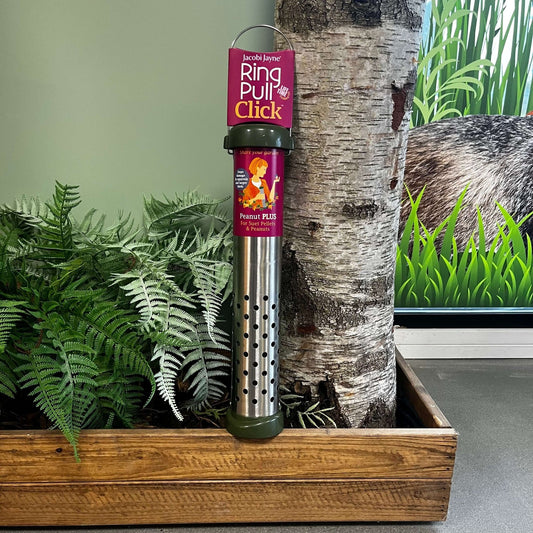
Suet pellet feeders are designed around smaller pieces, giving you another way to offer suet in a contained feeder.

Use a holder designed to suit the shape and size of the feast or cake you plan to offer.
Food & Feeder
There is no single feeder for every suet product. Fat balls, pellets, feasts, cakes and sticks can all call for different feeding equipment.
Check the product format first, then choose a feeder that holds it securely and is straightforward to clean and refill.
Explore Suet & Fat BallsWatch The Food
Suet can soften in warmer conditions and can also be affected by damp weather, so check the food rather than leaving it in the feeder indefinitely.
Remove anything that becomes spoiled, overly soft, contaminated or otherwise unsuitable and refill with fresh food in amounts that match current bird activity.

Watch Your Visitors
Some birds cling readily to hanging suet feeders, while others may use different feeding positions or food formats.
Watch what is visiting your garden and use that to guide the feeder and food choices you make.
Shop By Wild BirdManaging Access
If squirrels regularly dominate the feeding point, consider a caged or squirrel-resistant feeder design rather than relying on a particular food to discourage them.
These designs may help manage access, although effectiveness will vary with the feeder, its position and the squirrels visiting your garden.
Explore Squirrel-Proof FeedersFeed Birds Properly
Suet feeders need regular attention just like seed and peanut feeders. Clean them whenever food residue, droppings or other material begins to build up.
Remove spoiled food, allow cleaned feeders to dry before refilling and keep the surrounding feeding area managed.
Read The Responsible Feeding GuideExplore More
Explore fat balls, pellets, feasts, cakes, logs and other suet foods.
Explore suet food →Explore more feeder designs created with smaller garden birds in mind.
Explore small bird feeders →Compare seed, peanut, niger, suet and other feeder styles.
Explore bird feeders →Helpful Answers
Practical guidance on choosing, using and looking after suet feeders.
Start with the food you want to offer. Fat balls, suet pellets, feasts and cakes use different feeder styles, so match the feeder to the product format.
A fat ball feeder is designed to hold one or more fat balls while allowing birds to access the food through the holder.
A feeder designed for suet pellets can help keep the pieces contained and provide a practical feeding point that is easier to inspect, refill and clean.
Choose a holder designed for the shape and size of the suet feast or cake you want to offer. Check the individual product and feeder information for compatibility.
Check its condition and remove it if it has become overly soft, spoiled, contaminated or otherwise unsuitable. Clean the feeder if needed before adding fresh food.
Clean it regularly and whenever food residue, droppings or other material begins to build up. Allow the feeder to dry before refilling.
Yes. If squirrels regularly dominate the feeding point, consider a caged or squirrel-resistant feeder design to help manage access.
Suet can be offered at different times of year, but conditions affect how well it keeps. Check it more frequently during warm or damp weather and remove food that becomes unsuitable.