-
My Favourites Bird Seed Feeder
Regular price £22.99 GBPRegular priceUnit price per£22.99 GBPSale price £22.99 GBP -
Robin & Small Bird Feeder
Regular price £5.99 GBPRegular priceUnit price per -
Lantern-Style Seed Feeder
Regular price £4.46 GBPRegular priceUnit price per£4.95 GBPSale price £4.46 GBPSave -
Squirrel Resistant fat ball Bird feeder with cage
Regular price £19.95 GBPRegular priceUnit price per -

 Sold out
Squirrel Buster Mini
Regular price £38.99 GBPRegular priceUnit price per£38.99 GBPSale price £38.99 GBPSold out -
I Love Robins Feeder
Regular price £29.99 GBPRegular priceUnit price per£29.99 GBPSale price £29.99 GBP -

 Sold out
Curved Bird Feeder Bracket
Regular price £7.99 GBPRegular priceUnit price per£7.99 GBPSale price £7.99 GBPSold out -

 Sold out
Ring Pull Zinc 'Click' Seed Feeder
Regular price £49.99 GBPRegular priceUnit price per£49.99 GBPSale price £49.99 GBPSold out -
Ring Pull 'Click' Green Seed Feeder
Regular price From £28.99 GBPRegular priceUnit price per£28.99 GBPSale price From £28.99 GBP -
Yellow Ring Pull Niger Bird Feeder
Regular price From £14.99 GBPRegular priceUnit price per£14.99 GBPSale price From £14.99 GBP -
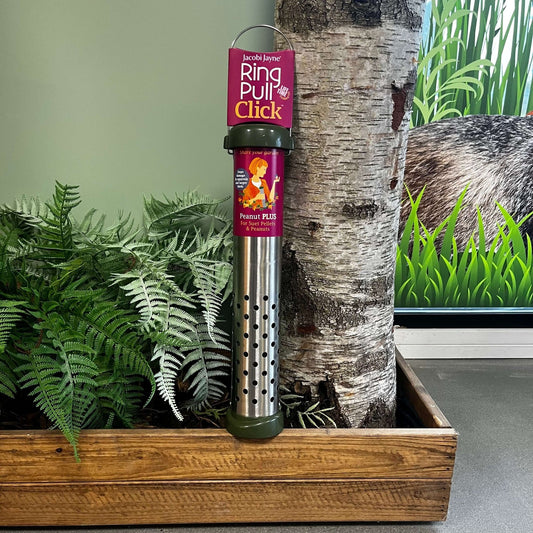
Ring Pull 'Click' Peanut Plus Feeder (for suet pellets & peanuts)
Regular price £34.99 GBPRegular priceUnit price per£34.99 GBPSale price £34.99 GBP -
Ring Pull 'Click' Metal Niger Feeder
Regular price From £28.99 GBPRegular priceUnit price per£28.99 GBPSale price From £28.99 GBP -

 Sold out
Bird Barn Bird Feeder
Regular price £10.99 GBPRegular priceUnit price per£10.99 GBPSale price £10.99 GBPSold out -
Black Steel Seed Feeder
Regular price £9.99 GBPRegular priceUnit price per£9.99 GBPSale price £9.99 GBP -
Black Steel Fat Snax Feeder
Regular price £9.99 GBPRegular priceUnit price per£9.99 GBPSale price £9.99 GBP -
Black Steel Sunflower Seed Feeder
Regular price £9.99 GBPRegular priceUnit price per£9.99 GBPSale price £9.99 GBP -
Big Easy Tray
Regular price £24.00 GBPRegular priceUnit price per£24.00 GBPSale price £24.00 GBP -
Universal Ground Feeder (small)
Regular price £5.95 GBPRegular priceUnit price per£5.95 GBPSale price £5.95 GBP -
Seed and Mealworm POD (Pack of three)
Regular price £19.99 GBPRegular priceUnit price per -
X1 Mini Robin Feeder
Regular price £14.99 GBPRegular priceUnit price per£14.99 GBPSale price £14.99 GBP




Feeding Smaller Garden Birds
Choosing A Bird Feeder For Small Birds
Smaller bird feeders can be a useful way to offer food to familiar garden birds such as tits, finches and sparrows. The right feeder depends on the birds visiting, the food you want to offer and where the feeder will be positioned.

Do I Need One?
A Smaller Feeder Can Give You Another Feeding Option
You do not need a specialist feeder in every garden, but smaller or caged feeders can be useful when you want to create feeding opportunities suited to smaller garden birds.
Feeder design, access points and food type can all influence which birds use a feeder, so watch the birds visiting your garden and choose accordingly.
Start With The Food
Which Type Of Feeder Should You Choose?
For Seed Mixes & Straight Seeds
Tube-style and specialist seed feeders can be used with suitable seed mixes and straight foods. Check that the feeder openings suit the ingredients you plan to offer.
For Suet & Fat Foods
Suet feeders provide another way to offer appropriate fat-based foods. Always use the feeder in accordance with the product directions.
More Selective Access
Caged and squirrel-resistant designs may help limit access by larger visitors, although no feeder can guarantee which birds will use it.
Choosing Food
What Should You Feed Smaller Garden Birds?
There is no single food that is right for every small bird. The best starting point is to look at the species visiting your garden and choose food and feeder combinations that suit them.
Haith’s range includes wild bird seed mixes, sunflower hearts, no-mess foods, suet and other feeding options suitable for different garden birds and feeding methods.

Responsible Feeding
Keep Feeders Clean, Fresh And Well Managed
Clean feeders regularly, remove damp or uneaten food and allow feeders to dry before refilling. How often cleaning is needed will depend on use, weather and the condition of the feeder.
Feed manageable amounts, provide fresh water and keep watching the birds and feeding area so you can adjust the routine when needed.
Read The Responsible Feeding GuideA Simple Feeder Check
- 01 Remove old or damp food.
- 02 Clean the feeder and feeding points.
- 03 Allow it to dry thoroughly.
- 04 Refill with fresh food in manageable amounts.
Explore More
Find The Right Feeding Route
All Bird Feeders
Browse Haith’s wider range of feeders for different foods and feeding locations.
Explore bird feeders →No Mess Bird Food
Explore husk-free feeding options designed to leave fewer discarded husks beneath feeders.
Explore no-mess food →Shop By Wild Bird
Start with the birds you can see and explore feeding options for those species.
Choose your bird →Helpful Answers
Bird Feeders For Small Birds FAQs
Practical guidance on choosing, using and caring for feeders intended with smaller garden birds in mind.
Do I need a bird feeder specifically for small birds?
Not necessarily. A smaller, caged or more selective feeder can be useful if you want to create feeding opportunities suited to smaller garden birds, but the best choice depends on the birds visiting and the food you want to offer.
What birds may use small bird feeders?
Smaller garden birds such as tits, finches and sparrows may use suitable feeders, although the birds you attract will depend on feeder design, food choice, location and the species present in your garden.
What food should I use in a small bird feeder?
Choose food that suits both the feeder and the birds you want to feed. Seed mixes, sunflower hearts, no-mess foods and other suitable options can all have a place depending on the feeder design and visiting species.
How often should I clean a bird feeder?
Clean feeders regularly and more often whenever food becomes damp, spoiled or heavily soiled. Remove old food, clean the feeder thoroughly and allow it to dry before refilling.
Will a small bird feeder stop larger birds using it?
Not always. Some feeder designs, including caged or more selective options, may restrict access for larger visitors, but no feeder can guarantee which birds will use it.