






01 / Mealworms
Mealworm Feeders
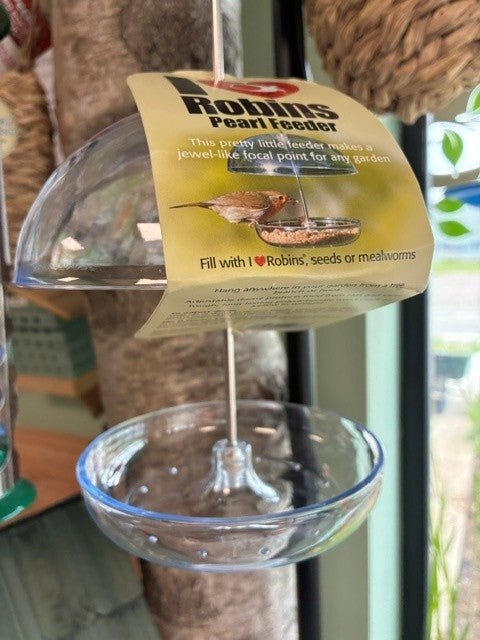
Purpose-designed feeders help keep dried mealworms contained while giving you a feeding point that is easy to inspect and refill.

Choosing A Soft Food Feeder
Mealworms, calciworms and soft bird foods can be offered in different ways, so the feeder should suit both the food and the birds using your garden.
Choose a design that is easy to inspect, refill and clean, and adjust your feeding routine according to how quickly the food is being eaten.
Find Your Feeding Route
Purpose-designed feeders help keep dried mealworms contained while giving you a feeding point that is easy to inspect and refill.

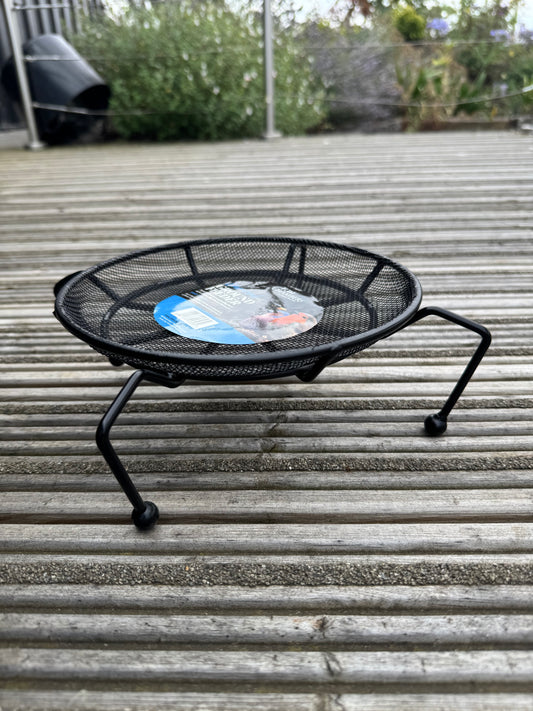
Smaller foods such as calciworms and mealworms can suit trays, dishes or specialist feeders depending on the product and feeding setup.

Soft bird foods can be offered in suitable trays or feeders where the food remains easy to inspect and remove when necessary.

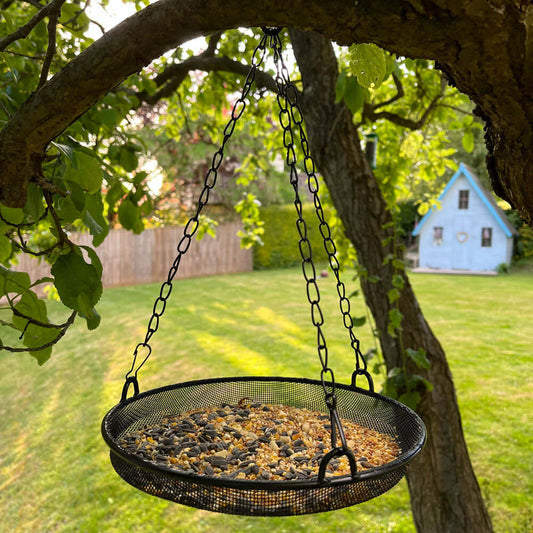
A suitable hanging tray can provide a flexible feeding point for certain soft foods, mealworms and other compatible bird foods.
Food & Feeder
Dried mealworms, calciworms and prepared softfoods do not all behave in the same way outdoors. Choose a feeder or tray that suits the food you are offering and makes it easy to check its condition.
If food is lingering, becoming damp or attracting unwanted build-up around the feeding point, reduce the amount or change the feeding setup.
Explore Wild Bird Food
Watch The Food
Softer foods and live foods need closer observation than dry seed because their condition can change more quickly outdoors.
Offer manageable amounts, remove food that becomes unsuitable and keep the feeder or tray clean and dry before adding fresh food.
Watch Your Visitors
Robins, blackbirds, wrens, starlings and other garden birds may use soft foods or mealworms, but how they feed can vary.
Watch which birds are visiting, where they are comfortable feeding and which food and feeder combinations they actually use.
Shop By Wild BirdFeeding Position
Place the feeder where birds can access it and where you can inspect, refill and clean it easily.
Observe how birds use the feeding point and make changes if food is regularly left behind, exposed to persistent damp or difficult to keep clean.
Feed Birds Properly
Offer manageable amounts and remove old, damp or spoiled food rather than allowing it to remain around the feeding point.
Clean feeders and trays whenever food residue, droppings or other material begins to build up, allow them to dry and provide fresh drinking water nearby.
Read The Responsible Feeding GuideExplore More
Explore feeder options designed with robins and similar feeding styles in mind.
Explore robin feeders →Explore more selective feeding options for smaller garden birds.
Explore small bird feeders →Compare seed, peanut, niger, suet and soft food feeder styles.
Explore bird feeders →Helpful Answers
Practical guidance on choosing, using and looking after feeders for softer bird foods.
A purpose-designed mealworm feeder or suitable tray can provide a practical way to offer mealworms while keeping the food contained and easy to inspect.
Some mealworm feeders and trays may also suit calciworms, depending on the size of the food and feeder openings. Check the individual feeder and food information.
It is a feeder or tray suited to prepared softfoods, mealworms, calciworms or similar foods that are not normally offered through a conventional seed tube feeder.
A suitable hanging tray can be a flexible option for certain mealworms, softfoods and other compatible foods. Check the food regularly and remove anything that becomes damp or unsuitable.
Check its condition and remove food that has become damp, spoiled or otherwise unsuitable. Clean the feeder or tray if needed, allow it to dry and refill with fresh food.
Choose a position where birds can access it and where you can inspect, refill and clean it easily. Watch how birds use the location and adjust the feeding point if necessary.
Clean it regularly and whenever food residue, droppings or other material begins to build up. Softer foods may require more frequent attention depending on weather and use.
A range of garden birds may use these foods, including robins, blackbirds, wrens and starlings. What visits your feeder will depend on the species present locally and how the feeding point is used.