






Suitable Dishes
A shallow, washable dish can make the food easier to contain, inspect and remove after feeding.


Different birds feed in different ways. The food and the feeding place should reflect that.
Food for different feeding habits
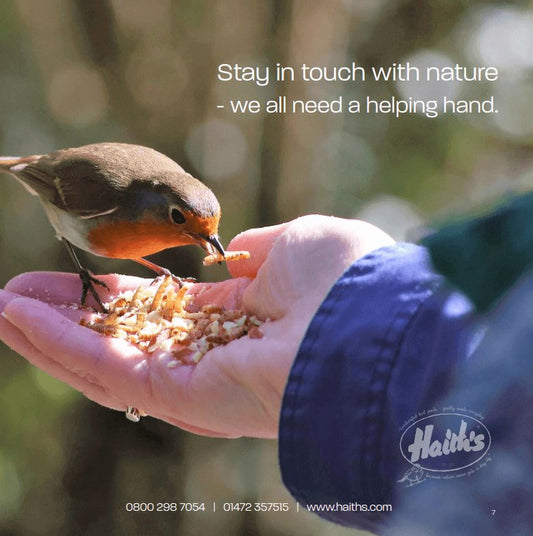
Robins, blackbirds, wrens, thrushes and other familiar garden birds may search for food on or close to the ground.
Explore prepared softfoods, insect-based foods and specialist blends for suitable dishes, bird tables and carefully managed ground-feeding areas. Choose a food appropriate to the birds visiting and offer only an amount likely to be eaten.
A practical buying guide
Softfoods provide another way to offer food to birds that may not regularly use hanging seed feeders. Different recipes contain different ingredients, so always check the individual product information before choosing.
Observe where birds naturally search for food and select a feeding position that can be inspected and cleaned regularly.

What does softfood mean?
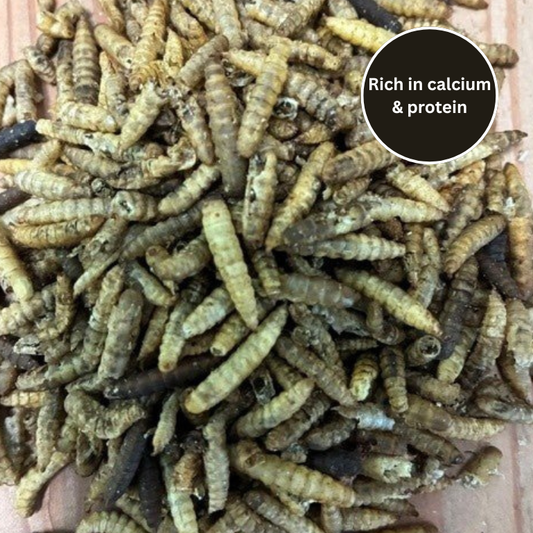
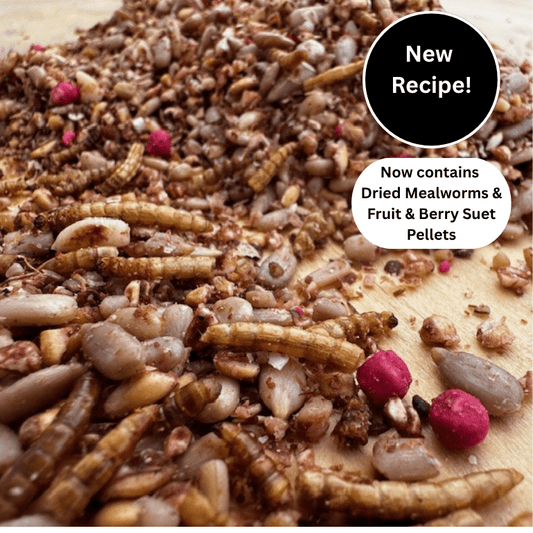
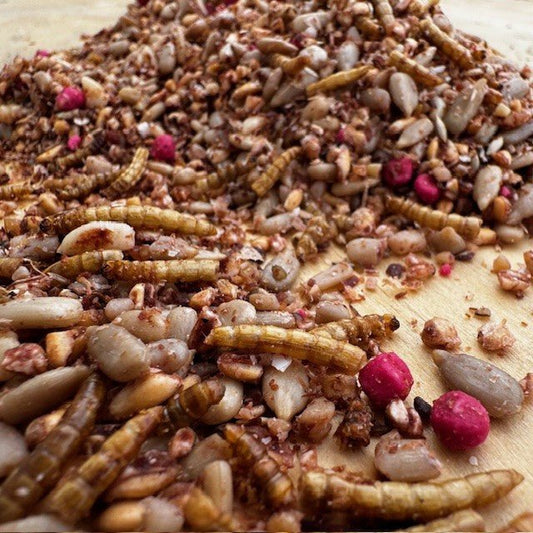
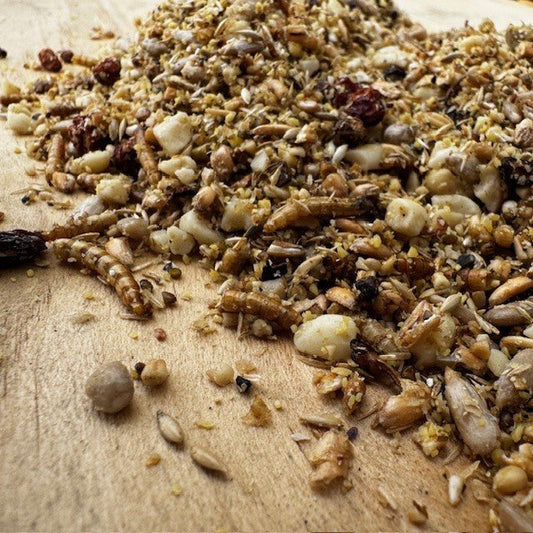
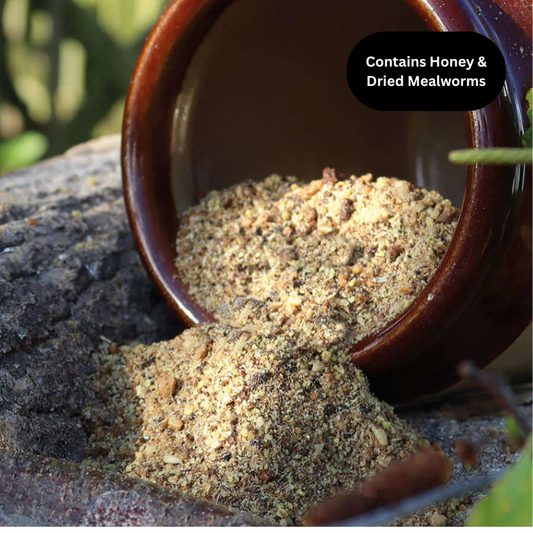
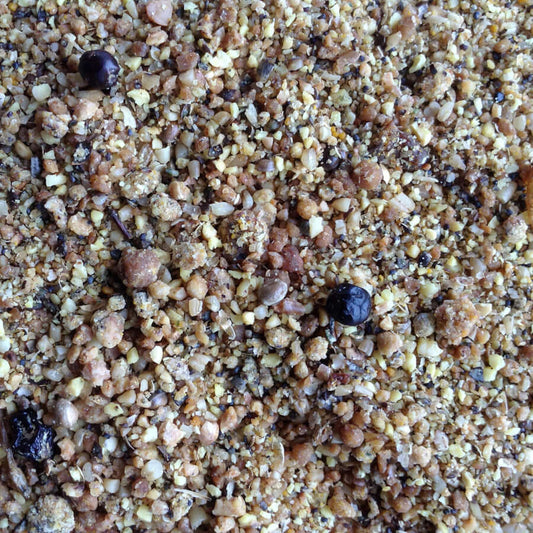
“Softfood” describes a varied category of prepared bird foods rather than one single recipe. Depending on the product, a blend may contain cereals, oils, fruit ingredients, insects, mealworms, berries or honey.
These are not necessarily moist foods. Many are supplied as dry, ready-prepared blends and should be stored and offered according to their individual directions.
Compare the softfood range →A shallow, washable dish can make the food easier to contain, inspect and remove after feeding.
A regularly cleaned bird table may suit products intended for table feeding. Avoid allowing old food to accumulate.
Choose a clean location, offer modest portions and rotate the feeding position where practical.
How you feed matters
Food offered on tables, dishes or close to the ground should be monitored carefully. Feed little and often and keep the whole feeding environment clean.
Read how to feed birds properlyBegin with an amount likely to be eaten and adjust it according to what you observe.
Clear away old, damp or contaminated food rather than topping it up with fresh food.
Wash suitable equipment regularly and allow it to dry before adding fresh food.
Where practical, avoid repeatedly allowing food and waste to build up in one location.
Keep drinking and bathing water fresh and clean alongside the feeding area.
Explore the range
Ingredients vary considerably across the collection. Review each product description and choose according to the birds visiting, where you intend to feed and what else you already provide.

Further reading
Explore further guidance on presenting softfoods and incorporating them into a varied garden-feeding routine.
Read the softfood articleSoftfood is a broad category of prepared bird food rather than one standard recipe. Individual products may contain cereals, oils, fruit ingredients, insects, mealworms, berries, honey or other selected ingredients.
Many Haith’s softfoods are supplied as dry prepared blends. Check each product description for its ingredients, intended use and feeding directions.
Softfoods may appeal to robins, blackbirds, wrens, thrushes and other garden birds that search for food on bird tables, in suitable dishes or closer to the ground.
Birds’ preferences vary, so begin with a modest portion and observe which visitors take the food.
Not necessarily. The term describes a category of prepared food, and many Haith’s softfoods are supplied dry. Do not assume that every product should be moistened.
Follow the directions on the individual product and avoid adding water unless the instructions say that it is appropriate.
Depending on the product, softfood can be offered in a suitable washable dish, on a regularly cleaned bird table, in a specialist feeder or in a carefully managed ground-feeding area.
Choose somewhere you can inspect easily and clean regularly. Follow the directions provided for the food and feeding equipment.
There is no single quantity for every garden. Begin with a small amount, observe how quickly it is eaten and adjust future portions accordingly.
Feeding little and often helps prevent old or uneaten food accumulating in the feeding area.
Different garden birds favour different foods, and no single feeding approach will suit every species. Softfood provides another option alongside appropriate seed mixes, insect-based foods, suet and other garden bird foods.
Offering suitable variety can accommodate birds with different feeding preferences.
Follow the storage directions on the packaging. As a general principle, keep dry bird food securely closed in a cool, dry place and protect it from moisture, pests and contamination.
Do not offer food that appears damp, mouldy, stale or otherwise unsuitable.
Offer manageable amounts, remove uneaten food and clear away waste regularly. Use washable dishes or trays where practical, and rotate ground-feeding positions to avoid repeated build-up in one place.
If you see birds showing signs of illness, pause feeding in the affected area, clean the equipment and follow appropriate bird-health guidance.
Read the responsible-feeding guide →