






Hole-Fronted Nest Boxes
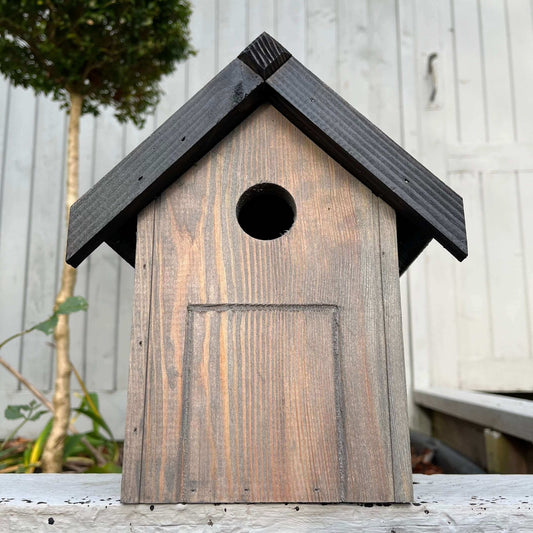
Suitable for a range of small cavity-nesting birds, depending on the entrance-hole size.

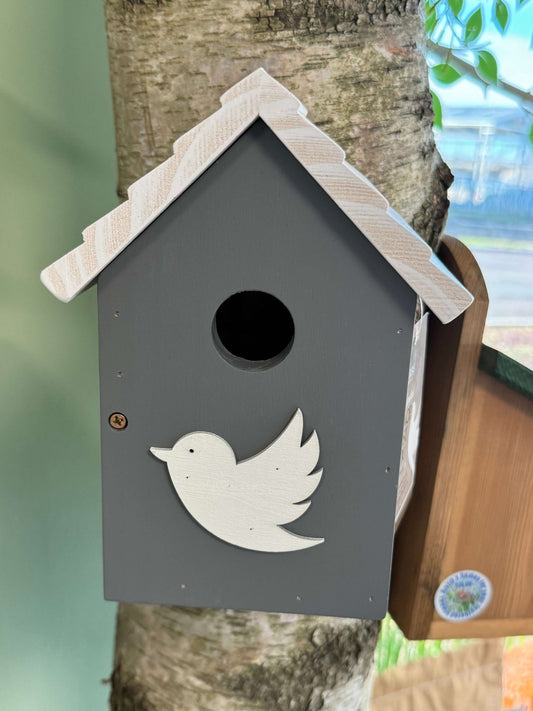

Choosing A Bird Nest Box
Different birds use different nesting spaces, so there is no single nest box that suits every species.
Start with the birds present locally, then think about entrance style, hole size, box position and how easily the box can be checked and maintained.
Quick Nest Box Chooser
Suitable for a range of small cavity-nesting birds, depending on the entrance-hole size.
Robins use open-fronted nesting spaces rather than the small round entrance used by many tits and sparrows.
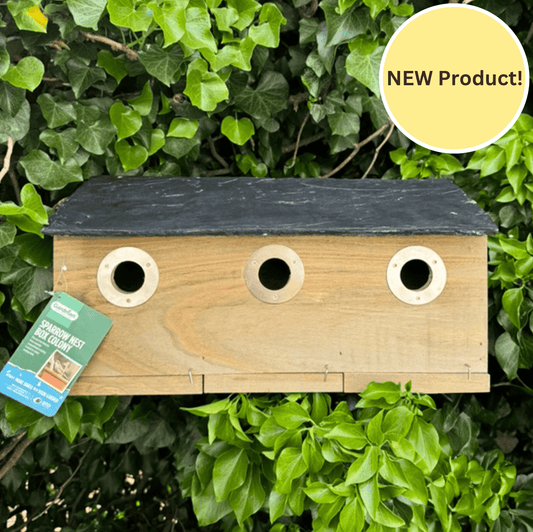
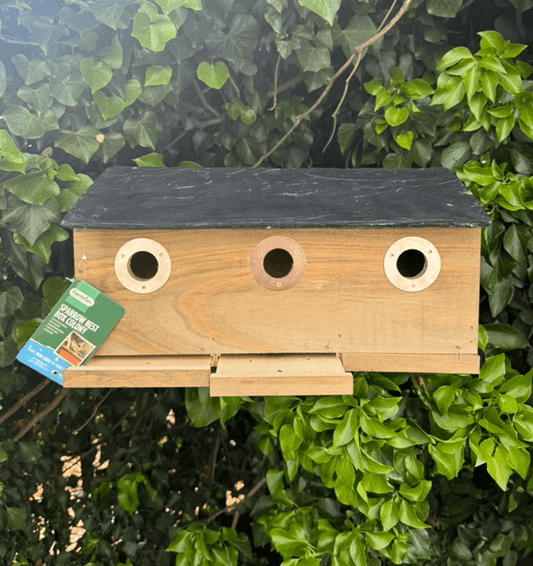
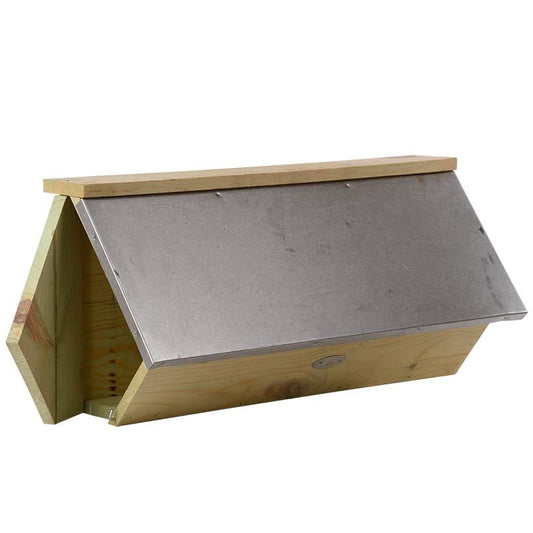
House Sparrows may nest close to one another, so multi-compartment colony boxes can provide several nesting spaces together.
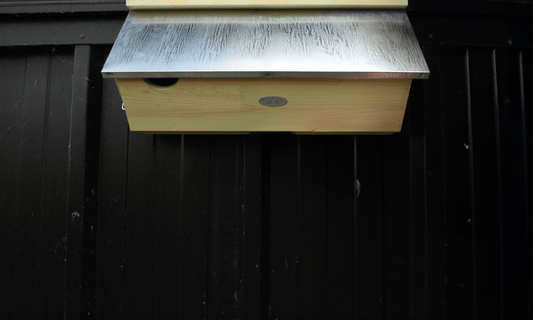
Swifts need specialist boxes and siting, so use a purpose-designed box rather than a general garden nest box.
Entrance Hole Size
With hole-fronted boxes, the diameter of the entrance is one of the most useful things to check before buying.
Smaller holes can limit access to smaller cavity-nesting birds, while larger openings allow a broader range of species to investigate.

Hole-Fronted Boxes
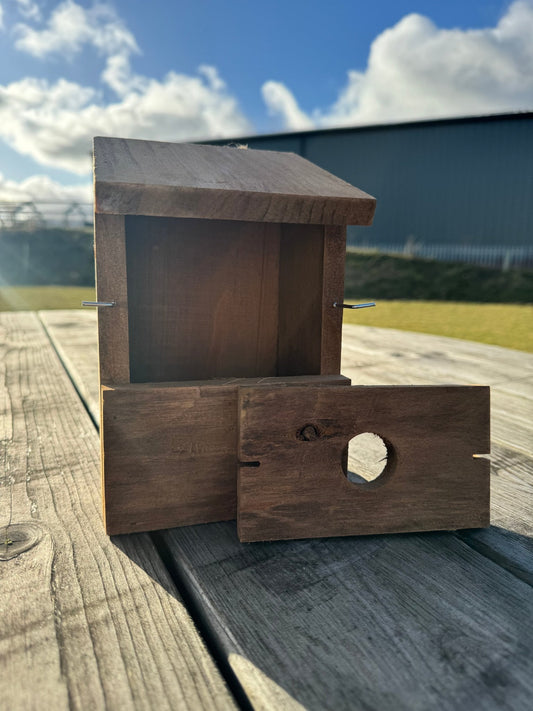
Hole-fronted boxes recreate the kind of enclosed nesting space used by a number of familiar garden species.
Check the entrance size rather than choosing only by appearance, and make sure the box is well made, weather-resistant and accessible for end-of-season maintenance.

Smaller Hole-Fronted Boxes
Blue Tits readily use suitable hole-fronted nest boxes, and a smaller entrance can reduce access by some larger species.
If you want a more general small-bird box, a slightly larger entrance may allow a wider range of cavity-nesting species to investigate.

Sparrow Colony Boxes
House Sparrows often nest in loose colonies, so a multi-compartment nest box can provide several nesting spaces within one structure.
As with any nest box, the presence of a suitable box does not guarantee occupation. Local birds, surrounding habitat and siting all influence what happens.
Positioning The Box
A north or north-easterly aspect is often useful because it can help avoid strong direct sun and prevailing wet weather, but the conditions around the actual site matter more than simply following one direction.
Aim for a clear flight path, avoid obvious sun traps and heavy exposure, and choose a position that is not easily reached by predators or repeatedly disturbed.

Nesting & Feeding
A busy feeding point brings regular bird movement into a small area, which is not always what a nesting pair needs close to its box.
Treat feeding and nesting as two parts of the same bird garden, but give each enough space to function well.
Read The Bird Feeder GuideWhen Birds Move In
Once birds are actively nesting, avoid unnecessary disturbance and do not open, move or clean the box.
Active wild-bird nests are protected by law in the UK, so maintenance should wait until the box is no longer in use.

Nest Box Care
Nest boxes can be checked and cleaned after the breeding season, but always make sure the box is no longer active before opening or removing nesting material.
Remove old nesting material when appropriate, check the box for damage and make sure drainage, fittings and access remain in good condition before the next season.
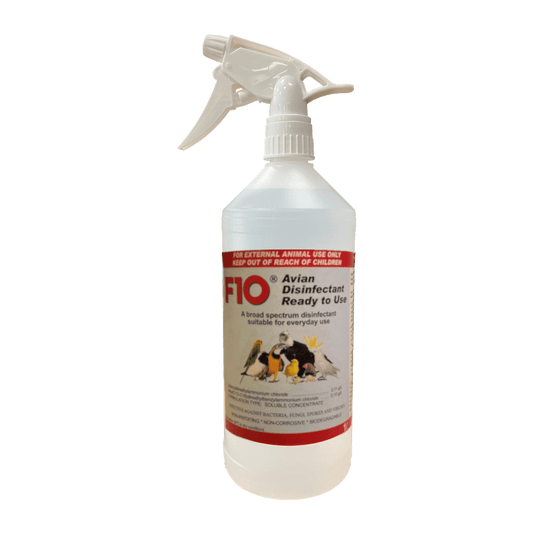
Explore Hygiene & AccessoriesNesting Material
The nest box provides the space. The birds themselves decide whether to use it and build the nest inside.
If you offer nesting material separately, keep it clean, dry and suitable for birds rather than packing material directly into the nest box for them.
Make Space For Nature
Nesting space works alongside natural cover, plants, water, feeding opportunities and the wider structure of the garden.
Rather than expecting one box to transform the garden, think about the different things birds need at different times of year.
Explore Birds In Your Garden
Continue Exploring
Helpful Answers
Practical guidance on choosing, positioning and looking after nest boxes for garden birds.
Start with the birds present locally. Small hole-fronted boxes suit several cavity-nesting species, Robins use open-fronted boxes, House Sparrows may use colony boxes and Swifts need specialist nest boxes.
Hole size influences which birds can use the box. As a general guide, 25mm suits Blue, Coal and Marsh Tits, 28mm suits Great Tit and Tree Sparrow, while 32mm suits House Sparrow and Nuthatch and may also be used by smaller hole-nesting birds.
Robins generally use open-fronted nesting spaces, so choose a nest box designed around that nesting style rather than a conventional small hole-fronted box.
Choose a sheltered position away from prolonged strong sunlight and heavy exposure, with a reasonably clear flight path and consideration for predators and disturbance.
Not necessarily. North and north-easterly aspects are often useful, but the main aim is to avoid strong direct sun and heavy weather entering the box. Local conditions should guide the final position.
Small hole-fronted boxes are commonly positioned roughly one to three metres above ground, although the best height depends on the species, location and risk of disturbance or predators.
It is better to give nesting birds some space from busy feeding points. Frequent bird activity around feeders may disturb birds using a nearby nest box.
No. Do not open, clean or move an actively used nest box. Wait until nesting has finished and you are confident the box is no longer active.
Clean it after the breeding season and only once you are certain the nest is no longer active. Check current guidance before removing old nests or unhatched eggs.
No. A suitable nest box provides an opportunity, but occupation depends on local birds, habitat, competition, box design and position.