Feed Birds Properly
There’s been a lot of discussion about bird feeding recently. You can still feed garden birds safely - if you do it properly. What matters is how you do it. Clean food. Fresh feeding. Good hygiene. At Haith’s, we help you feed with confidence - supporting bird health while reducing avoidable risks. Based on decades of experience and veterinary insight.
Learn How to Feed Properly →

Food you can trust - for birds that rely on you
-

Wild Bird Food - Feed Birds Well, All Year Round
You feed birds because you care. This collection is designed to help...
-
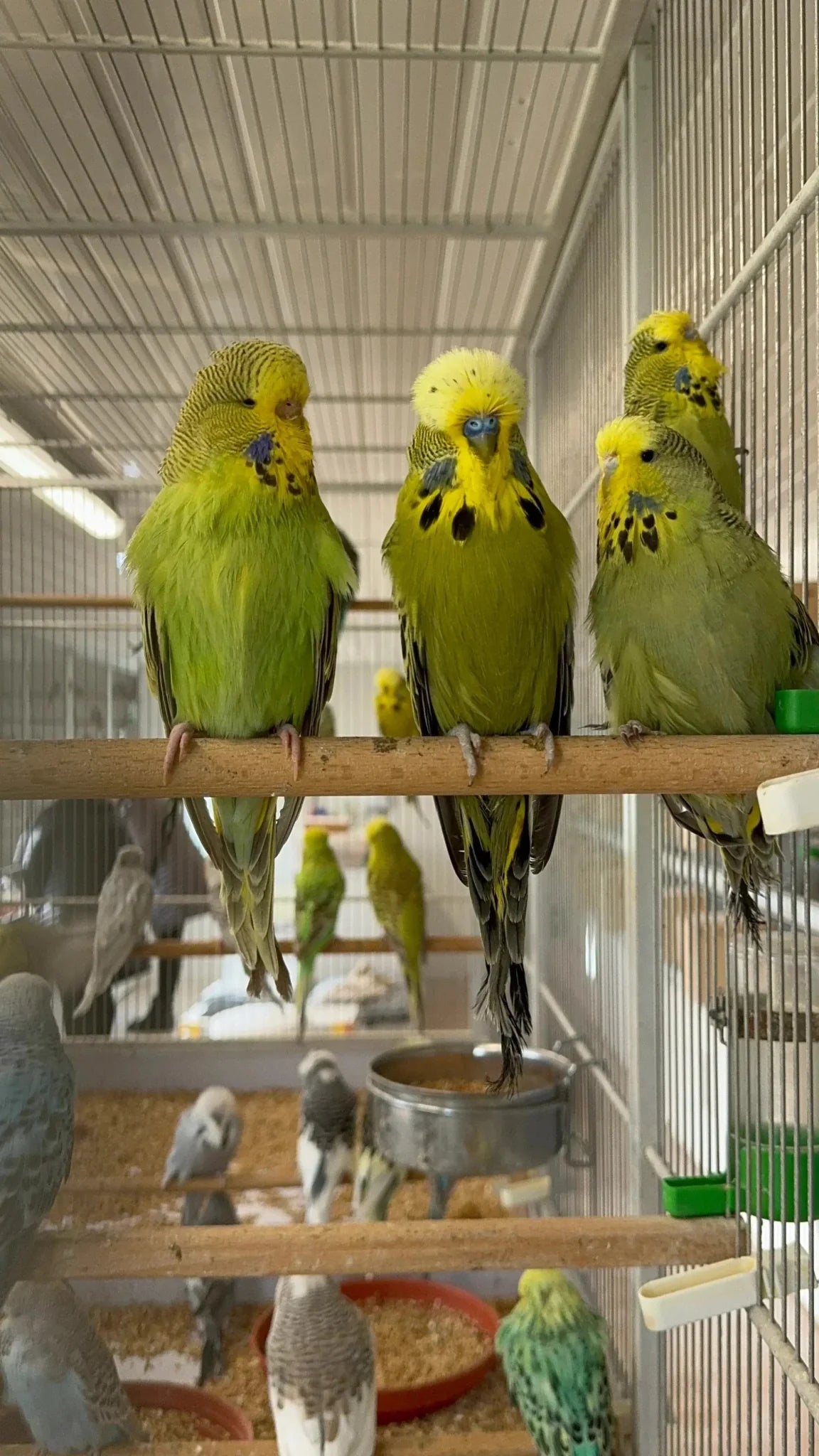
Cage & Aviary Bird Seed Since 1937
Premium SuperClean™ Nutrition for Healthy, Happy Birds At Haith’s®, our SuperClean™ cage...
-
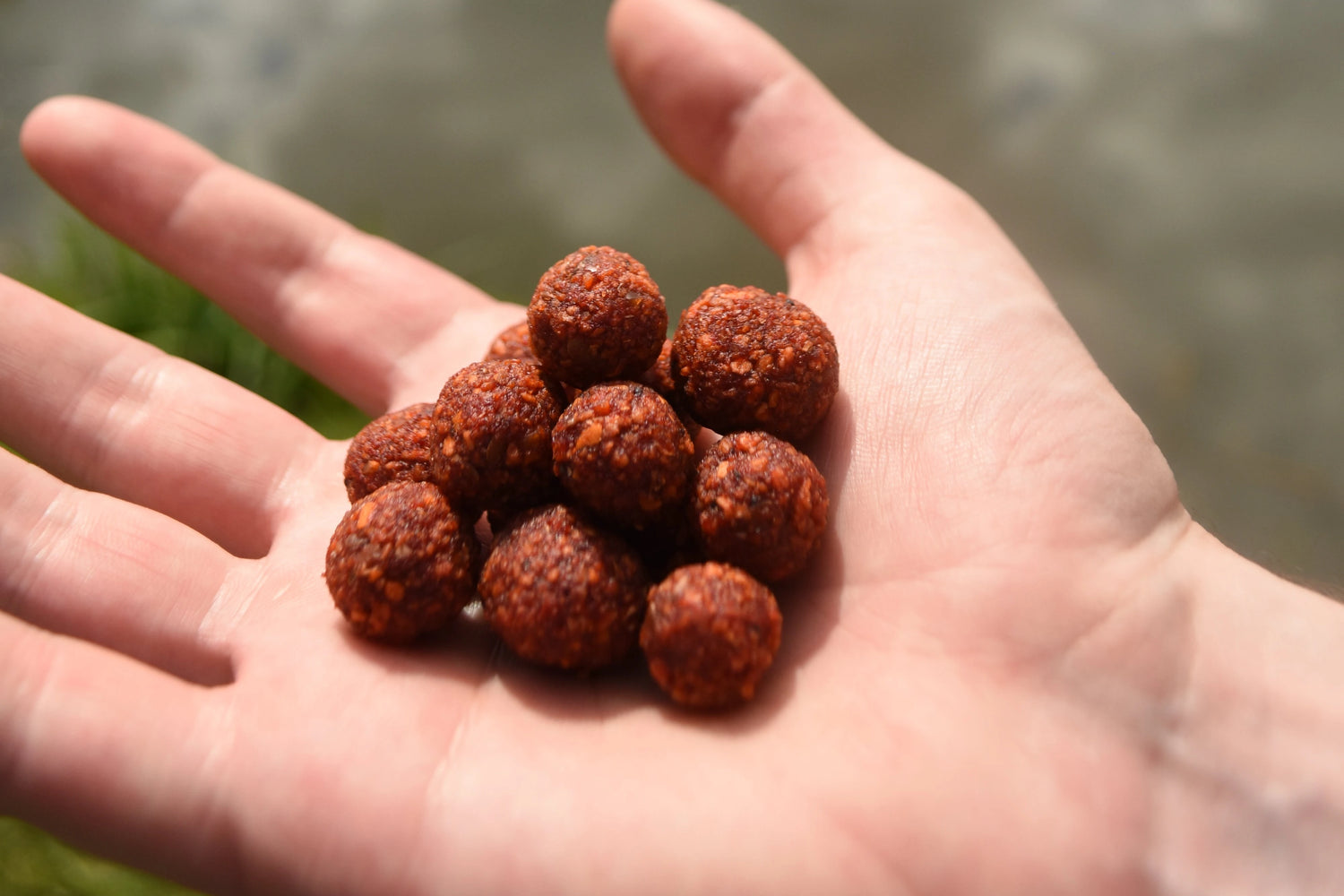
Shop Fish Feeds & Ingredients
Haith's has been delivering the finest fishing ingredients for over 40 years....


Let customers speak for us

My pheasant, now called, Charlie, has shown a great appreciation for your food! We now have a food chain, squirrels, pigeons etc all enjoying it!!

I have been using Haith’s seed for approximately 50 years I find it more expensive than many others but it is always excellent quality and clean and in my opinion well worth the extra cost , my only concern is as I’m getting older the bags get heavier .i am indeed a very satisfied customer who would not consider buying else where .

My budgies and canaries love this, I feed in the spring to condition them for getting through the breeding and molt

Great free sample product. Will now buy for definite. Birds love it

Ideal for feeding small winter birds from the yard feeder.

The sprays were clean and well formed. My canaries love them.

A really clean shiny seed mix. My birds love it. I am happy knowing they receive health giving nourishment from it. I'm pleased to support a company like Haiths that is dedicated to quality.

Even though I can't site it the required distance from wooden post that squirrels climb up, it has still worked well. They may get a few seeds from the tray but they quickly have to put their full weight onto the feeder which then immediately drops down to cut off their access. They have now given up.The small birds were quick to start using it and I now get many more visiting my bird table as they are no longer in competition with the squirrels.

My cockatiel loves it. He has three pots of seed , one bog standard ( which he eats first thing followed by seed with orange oil but the star of the show is the tonic with aniseed which is in a moveable pot and he requires it to be on top of his cage. If it isn't there by 2pm he starts complaining in a very loud voice and as soon as new seed put in he swoops on it. He is now 27 and doing well.

My Budgies love this mix, believe it or not they get excited when I clean and change their 'seed dish'.
Happy Budgies.
My finches love it . Nice for them to have a different seed mix . Foreign finch and foreign finch tonic are the other two favourites.

Lovely as usual

This tonic seed always looks so clean and smells so fresh. my birds love it.
My budgies are loving it ....especially the groats

Our wee boy, Skye Bluey has been having Tip Top Budgie seed for some time. He really enjoys it and he is healthy and bouncy. He has picked up tunes from various places, such as the TV as well! He likes to hear the sound of the piano in our house.

A wildlife network on a national scale, powered by people. 12 million gardens. A hidden landscape for wildlife.
Across Britain, millions of people are helping birds survive - often without realising it.
Here are 6 reasons to keep feeding garden birds year-round.

1. Scale and perspective
More than half of UK households feed birds. That’s around 12 to 13 million gardens across the country.
If you could bring those gardens together into one continuous space, they would form one of the largest wildlife-friendly areas in the UK, stretching across hundreds of thousands of hectares.
From above, it would look like a vast green network woven through towns, cities, and countryside.
But that’s not how it exists in reality.
It exists as millions of individual spaces, connected not by fences or borders, but by something more powerful:
People who care.

2. Gardens as stepping stones
Nature doesn’t see gardens the way we do.
To us, a garden is a boundary.
To a bird, it is part of a journey.
These spaces act as stepping stones across the country, linking habitats together and creating informal wildlife corridors through landscapes that are otherwise fragmented.
In a world where natural habitats are shrinking and food sources are less predictable, these connections matter more than ever.
They help birds move, feed, rest, and survive.

3. The key question
So the question isn’t whether we should stop feeding birds
It’s this:
What happens if these stepping stones disappear?
Where do birds go when reliable food sources are removed?
In many cases, there isn’t a simple answer.
Global research (WWF) supports this. Wildlife populations have declined significantly over the past 50 years, largely due to habitat loss and environmental pressure.
Gardens are no longer just places where we enjoy nature; they have become part of nature itself.

4. Why feeding still matters
This is why feeding still matters
Feeding birds isn’t about replacing nature.
It’s about supporting it, in the spaces where people and wildlife now meet.
And when it’s done properly, it becomes part of a much bigger system:
A nationwide network of small, cared-for environments that help wildlife navigate a changing world.

5. People-powered conservation
A network powered by people
This is what makes it unique.
- It’s not centrally managed.
It’s not owned by one organisation.
It’s not protected by designation.
It is looked after by millions of people, every day, often without realising the role they play.
That’s not a small thing.
That’s one of the most powerful forces for nature we have.

6. Behaviour
And that’s where responsibility comes in
Feeding birds isn’t something to stop. It’s something to do properly.
- Keep food fresh and dry
- Feed little and often
- Avoid build-up and waste
- Clean feeders and water regularly
Small changes, across millions of gardens, make a big difference.

Not sure where to start?
We’ll guide you.
Find the right food for your garden birds - based on their natural needs.
You care about birds. That’s why you feed them.

Clean feeding spaces matter
Healthy birds depend on clean environments.
Regular cleaning and well-designed feeders help reduce risk and support better feeding habits.


Cleaner food. Lower risk.
Dust, debris, and poor-quality ingredients can increase avoidable risks. That’s why we developed our SuperClean™ process - to help reduce dust and deliver cleaner, fresher food. It’s one of the ways we support safer feeding without asking you to stop.
SuperClean™ Seed — The Haith’s Standard
Our SuperClean™ process removes dust, debris, and low-grade material, leaving only fresh, high-quality ingredients birds can digest easily. Cleaner food means less waste, healthier birds, and a better feeding experience for you.
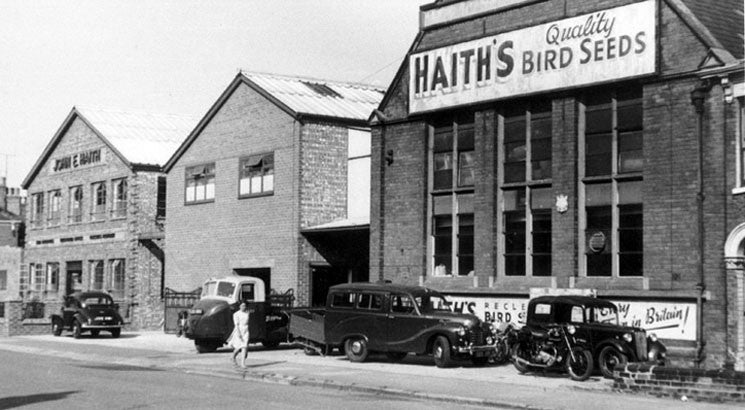
Hand-Blended in Lincolnshire Since 1937
Every mix is carefully blended in-house, combining traditional knowledge with modern quality control. It’s craftsmanship, not mass production.
Trusted by Generations
Garden bird lovers, champion breeders, and wildlife professionals choose Haith’s® for one simple reason: it works. Thousands of five-star reviews reflect decades of consistent quality.
Free UK Delivery Over £35
Reliable, fast delivery — carefully packed in eco-friendly paper packaging wherever possible.
Designed for Bird Health. Built to Last.
Whether you’re feeding robins in winter, rearing canaries, or preparing birds for breeding season, Haith’s® food is made to support long-term vitality and condition.

Help people care for birds properly so nature can thrive
Our purpose is to support bird lovers in creating thriving habitats where nature flourishes.
Guide behaviour, not just products
We educate and inspire through expert advice, helping you make informed choices for the birds you care for.
Clean food, practical advice, trusted expertise
Premium bird food backed by decades of knowledge and a commitment to quality you can trust.