Benefits of Dried Insects for Wild Birds
If you enjoy feeding wild garden birds, dried
insects are one of the easiest and most nutritious foods you can offer.
-

Both dried calciworms and dried mealworms provide valuable protein and energy, helping birds stay healthy throughout the year. They are especially useful during the breeding season, moulting periods, and colder weather when natural insect supplies can become harder to find. Easy to store, simple to feed, and loved by many garden favourites, these insect treats are a brilliant addition to any feeding routine.


What Are Dried Calciworms?
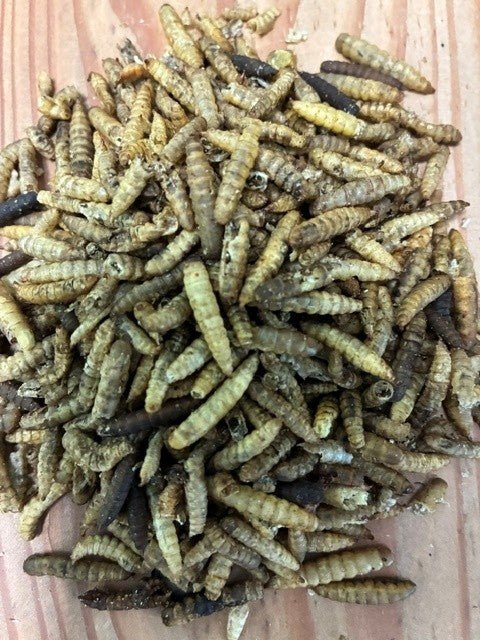
Dried calciworms are the larvae of the black soldier fly. They are naturally rich in calcium and protein, making them particularly beneficial for growing chicks and adult birds during breeding season. Unlike some other insect foods, calciworms contain a naturally balanced calcium-to-phosphorus ratio, which helps support healthy bone growth, feather condition, and overall wellbeing. Wildlife experts increasingly recommend them as an excellent food source during spring and summer. They are smaller and softer than dried mealworms, which makes them easier for many birds to eat.

What Are Dried Mealworms?
Dried mealworms are dried larvae of the mealworm beetle and are one of the most popular insect foods for garden birds. They are packed with protein and fats that help support energy levels and muscle condition. Many familiar garden birds enjoy mealworms, including robins, blackbirds, wrens, starlings, sparrows, and thrushes. Because they are dried, they are convenient, clean to handle, and easy to store compared to live mealworms. They also last much longer while still providing excellent nutritional value.
The Benefits of Feeding Dried Calciworms and Mealworms
-
Excellent Source of Protein
Protein is essential for wild birds throughout the year, but particularly during spring and summer when adults are feeding hungry chicks. Insects naturally form part of many birds’ diets, so dried calciworms and mealworms help mimic the foods birds would normally find in the wild. Protein supports:
- Feather growth
- Muscle condition
- Chick development
- Recovery during moulting
- Energy levels
-
Rich in Natural Energy
Both calciworms and mealworms contain natural oils and fats that provide valuable energy. This can be particularly helpful during:
- Cold winter weather
- Wet conditions
- Breeding season
- Migration periods
- Late summer moulting
Adding insect foods to your feeding routine can help birds maintain healthy body condition when they need extra support.
-
Calcium Support from Calciworms
One of the biggest advantages of calciworms is their naturally high calcium content. Calcium plays an important role in:
- Bone strength
- Egg production
- Healthy chick growth
- Feather quality
For birds raising young, calcium-rich foods can be specially beneficial during spring and early summer.
-
Easy to Feed
Another major benefit is convenience. Unlike live insects, dried insects:
- Require no special care
- Cannot escape
- Are easy to handle
- Stay fresh for long periods
- Can be stored in cupboards or containers
They can be fed:
- On the ground
- In ground feeders
- Mixed into soft foods or seed mixes
Many ground-feeding birds naturally prefer insects scattered across the ground or feeding trays.
Should You Soak Dried Insects?
Many bird lovers choose to soak dried insects in warm water before feeding, especially during breeding season.
Soaking helps:
- Soften the insects
- Add moisture
- Make them easier for chicks to eat
- Increase their appeal to birds
Bird feeding communities often recommend rehydrating dried insects during warmer months when adults are feeding nestlings.
Simply soak them in warm water for around 15–30 minutes before offering them to birds.
Which Birds Enjoy Dried Insects?
Some birds may take a little time to discover dried insects if they are unfamiliar with them. A helpful tip is to mix them with existing bird foods or offer small amounts regularly until birds gain confidence. You may attract a wide variety of garden birds with dried calciworms and mealworms, including:

Robins

Blackbirds

Wrens

Starlings
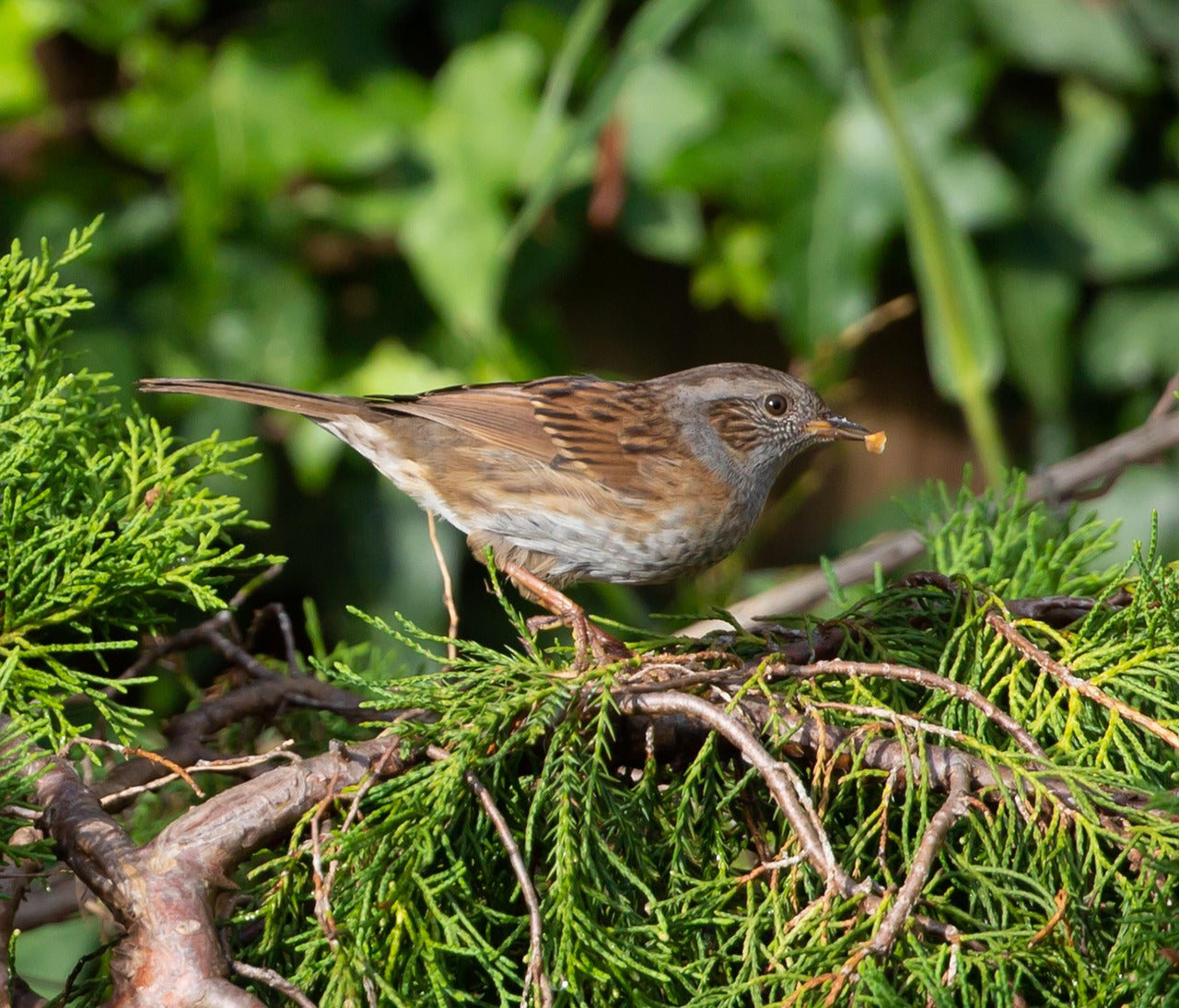
Dunnocks

Sparrows

Thrushes

Blue Tits
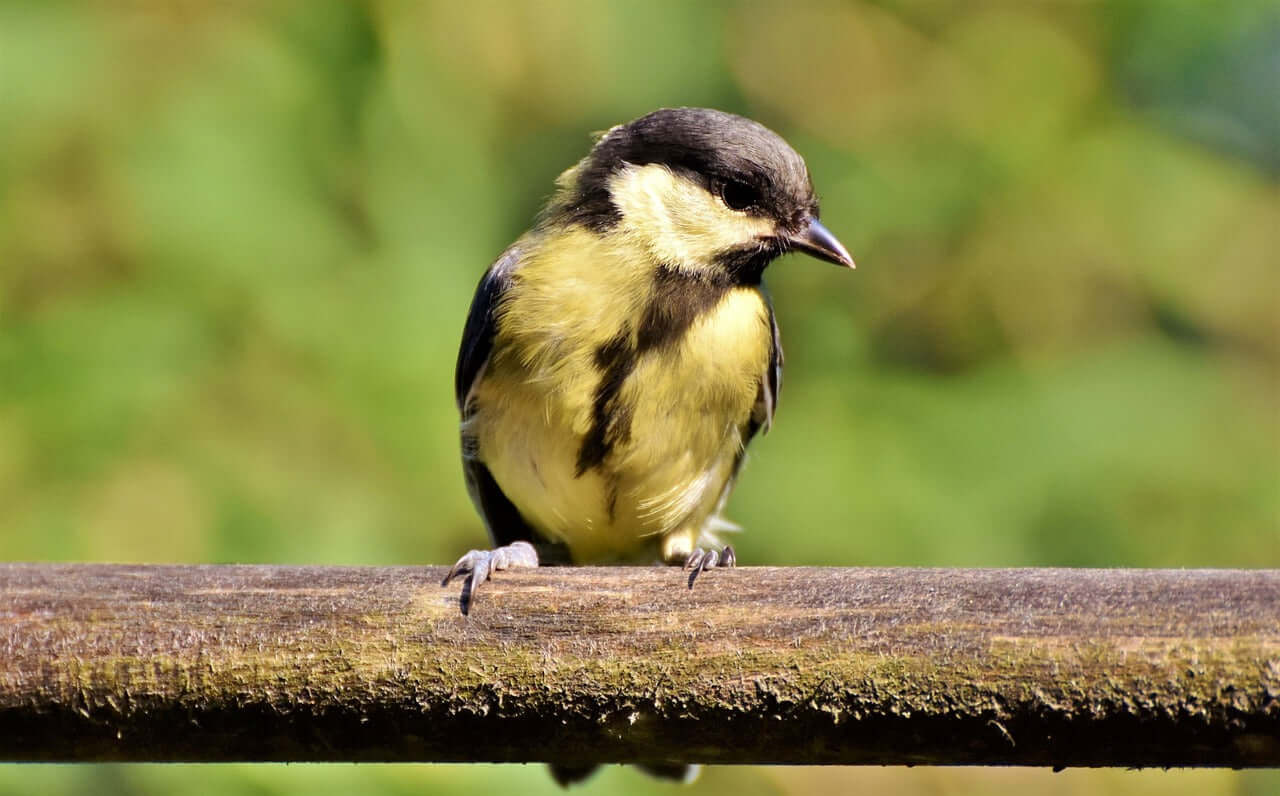
Great Tits
How to Store Dried Calciworms and Mealworms

Correct storage is important to keep dried insects fresh and nutritious. The good news is that both calciworms and mealworms are very easy to store.
Best Storage Tips
Store them:
- In a cool, dry place
- Away from direct sunlight
- In an airtight container or sealed bag
- Away from damp conditions
Moisture is the biggest enemy of dried insects. Exposure to damp air can lead to mould and spoilage. Airtight containers help protect freshness and prevent pests from getting inside.
Many bird keepers use:
- Resealable pouches
- Plastic tubs with lids
- Airtight storage containers
If buying in larger quantities, some people also store portions in the freezer to extend freshness further.
How Long Do They Last?

When stored properly, dried mealworms and calciworms can last a surprisingly long time.
Typical shelf life:
- Around 6–12 months in a cool cupboard
- Up to 1–2 years in ideal airtight storage conditions
- Longer if frozen correctly
Shelf life depends heavily on storage conditions.

HAITH'S to HOME
Dried Calciworms for wild birds
Regular price
£5.19 GBP
Regular price
£6.92 GBP
Sale price
£5.19 GBP
Unit price
per
VAT included (where applicable).
Shipping calculated at checkout.



HAITH'S to HOME
Dried Mealworms for wild birds
Regular price
£6.29 GBP
Regular price
£6.29 GBP
Sale price
£6.29 GBP
Unit price
per
VAT included (where applicable).
Shipping calculated at checkout.


