Essential Guide to Cleaning Bird Feeders and Bird Baths

Keeping bird feeders and bird baths clean is one of the most effective steps you can take to support the health and wellbeing of garden birds.
When food and water are offered in shared spaces, good hygiene helps reduce avoidable risks and ensures birds can feed safely and confidently in your garden.

Why Cleaning Matters
Birds often return to the same feeding and drinking spots throughout the day. Over time, droppings, uneaten food, and natural debris can build up, particularly in warm or wet conditions. If left unmanaged, these environments can allow bacteria, fungi, and parasites to persist and spread.
Regular cleaning helps minimise these risks, supports healthier feeding behaviour, and encourages birds to keep returning to your garden as a safe place to feed and drink. Clean feeding stations don’t just protect birds, they’re a key part of responsible bird care.
How Often Should You Clean?
Bird Feeders - Clean at least once a week, or more frequently during warm, damp, or
humid weather when food can spoil more quickly.
Bird Baths - Empty and clean daily or every other day, topping up with fresh water to maintain a safe and inviting drinking source.
Step-by-Step Guide: Cleaning Bird Feeders
-
1. Remove old food
Empty feeders completely and dispose of any damp, spoiled, or uneaten food.
-
2. Disassemble where possible
Take the feeder apart to access feeding ports, seams, and internal surfaces where debris can collect.
-
3. Wash thoroughly
Use warm water, mild dish soap, and a brush to scrub all parts. Pay close attention to corners and feeding ports.
-
5. Rinse well
Rinse all components thoroughly with clean water to remove any residue.
-
6. Dry completely
Allow feeders to air-dry fully before refilling. Damp feeders can encourage mould growth.
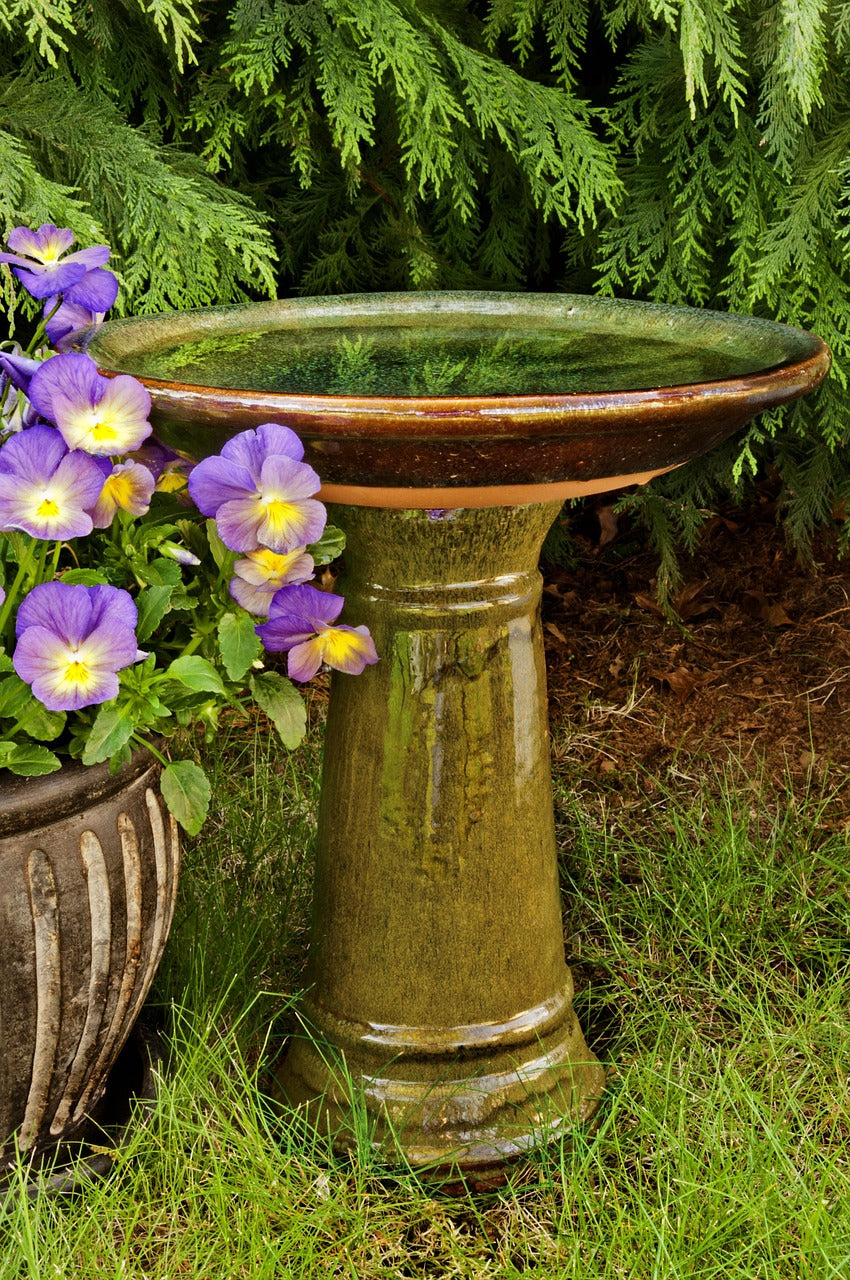
Cleaning Bird Baths
- Empty the bath Remove old water, leaves, and debris.
- Scrub the surface Use a stiff brush and mild soapy water to remove algae, droppings, and dirt.
- Disinfect responsibly Apply a wildlife-safe disinfectant, ensuring all surfaces are treated.
- Rinse thoroughly Make sure no cleaning product residue remains.
- Air dry, then refill Allow the bath to dry before adding fresh, clean water.
Practical Tips for Effective Cleaning
- Use the right brushes: Small brushes help clean feeding ports; larger brushes suit trays and baths.
- Wear gloves: Protect your hands when cleaning.
- Keep tools separate: Use dedicated brushes for feeders and baths to avoid cross-contamination.
- Inspect regularly: Check feeders and baths daily for damp food, debris, or signs of spoilage.
Best Practices for Ongoing Hygiene
-

Rotate feeding areas
Prevents waste build-up in one spot
-

Provide fresh, high-quality food
Haith’s SuperClean clean, dust-free diets help reduce contamination risks.
-

Watch for signs of illness
Such as lethargy, fluffed-up feathers, or
difficulty feeding, and pause feeding if concerns arise.


Keep your garden birds safe & healthy with our range of selected products
-
F10® Avian Disinfectant - ready to use
Regular price £16.95 GBPRegular priceUnit price per£16.95 GBPSale price £16.95 GBPSold out -
Safe 4 Disinfectant
Regular price From £8.99 GBPRegular priceUnit price per£8.99 GBPSale price From £8.99 GBP -
Vanodine's FAM 30 - NEW (Replaces Vanodine V18).
Regular price £25.95 GBPRegular priceUnit price per£25.95 GBPSale price £25.95 GBP -
CitroSan for bird hygiene
Regular price £8.95 GBPRegular priceUnit price per£8.95 GBPSale price £8.95 GBP


