March into Spring - Feeding Your Garden Birds

At Haith’s, we understand the importance of supporting garden birds year-round. As
we move from winter into spring, it’s a great time to adjust the types of food you offer to cater to their changing needs. Let’s explore the best feeding practices for this season and highlight some of Haith’s high-quality products that will help support your garden visitors.

Why is Early Spring Feeding Important?
During the winter months, birds rely heavily on supplementary feeding, as natural food sources such as insects, berries, and seeds are in short supply. While spring promises renewed growth, this process takes time, and March and April can still present cold snaps and frosty mornings.

Additionally, birds begin expending more energy as they prepare for breeding - singing to establish territory, seeking mates, and building nests. Providing them with the right nutrition during this period can give them a much-needed boost, ensuring they remain strong and healthy.


High-Energy Softfoods
Insects are a vital source of protein for birds, especially during breeding season. However, they’re not always readily available in early spring. Haith’s Softfoods range, including Prosecto Insectivorous Food, provides a nutritious alternative that mimics natural insect sources, helping birds get the protein they need. This is particularly beneficial for species like robins, blackbirds, and wrens.

Sunflower Hearts
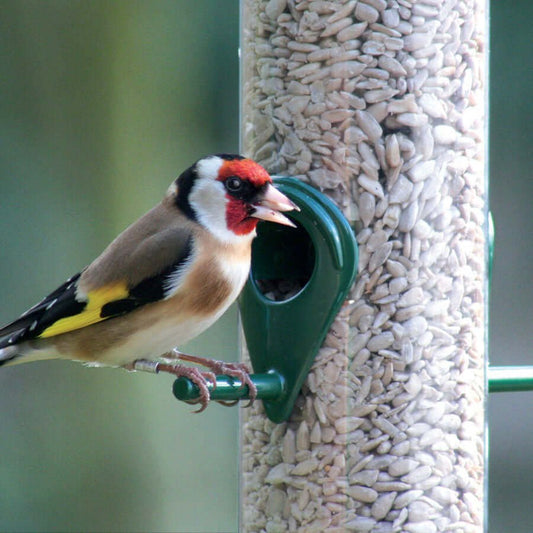
Sunflower Hearts are a fantastic all-rounder for this time of year. They are packed with essential oils and energy, and their husk-free nature means birds can consume them quickly without expending unnecessary energy. Haith’s Premium Sunflower Hearts are a top-quality choice that will attract a variety of species, including finches, tits, and sparrows.

Fat-Based Foods
While fat balls and suet are commonly associated with winter feeding, they are still beneficial in early spring. They provide a quick source of energy during chilly mornings and help birds maintain their body weight. Haith’s SuperSuet Fat Balls and Suet Pellets are excellent choices for this transitional period.

Live and Dried Mealworms
Mealworms are an invaluable food source as birds start to rear their young. Live mealworms are ideal, but if that’s not practical, Haith’s Dried Mealworms are a great alternative. Soaking them in warm water before feeding can make them even more appealing to birds such as robins, blackbirds, and starlings.
Feeding Tips for Early Spring
-
 Shop here
Keep Feeders Clean: As temperatures rise, bacteria and mould can develop more quickly. Clean feeders and feeding areas regularly to prevent the spread of disease.
-
 Shop here
Provide Fresh Water: Natural water sources may still be frozen or scarce, so offering clean water for drinking and bathing is essential.
-
 Shop here
Monitor Feeding Preferences: Birds’ needs can change as the season progresses. Keep an eye on which foods are being eaten most and adjust accordingly.
-
 Shop here
Offer Shelter and Nesting Materials: Early spring is the perfect time to provide nesting materials such as natural fibres, pet fur, or purpose-made bird nesting packs.


Give your garden birds the best from Haith's wild bird food collection
-
Sunflower Hearts for Wild Birds - Premium Quality
Regular price From £4.99 GBPRegular priceUnit price per£4.99 GBPSale price From £4.99 GBP -
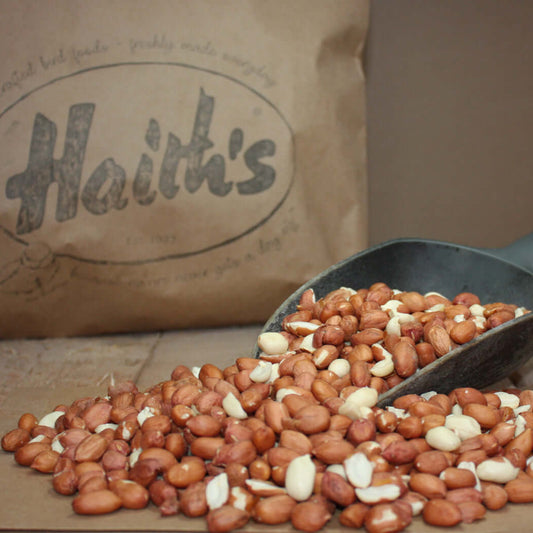
Peanuts for Birds - Premium Quality Wild Bird Food
Regular price From £4.99 GBPRegular priceUnit price per£4.99 GBPSale price From £4.99 GBPSold out -
Huskfree Advance™ - Clean, No Mess Bird Food
Regular price From £7.19 GBPRegular priceUnit price per£7.99 GBPSale price From £7.19 GBPSave -
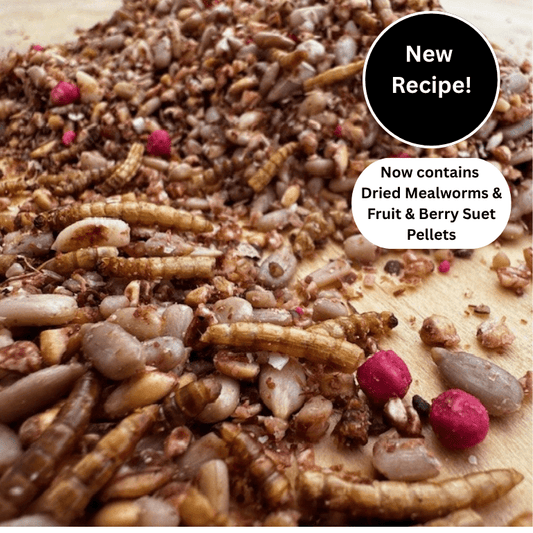
Fat Robin™ – Soft Bird Food with Suet & Mealworms
Regular price From £5.49 GBPRegular priceUnit price per£5.49 GBPSale price From £5.49 GBP

Encouraging Birds to Stay in Your Garden
By offering a consistent food supply, you’ll encourage birds to keep returning to your garden, creating a thriving and vibrant environment. In addition to food, planting native shrubs, flowers, and hedgerows can help provide natural food sources and shelter. Installing bird boxes is another excellent way to support nesting birds and increase biodiversity in your garden.
