Garden Hygiene for Bird Health: A Practical Guide to Keeping Your Garden Visitors Safe

Creating a welcoming garden for birds is one of the simplest and most rewarding ways to support local wildlife. However, attracting birds is only part of the responsibility. Maintaining good hygiene in your garden is essential to protect them from disease, ensure a reliable food source, and create a safe environment where they can thrive. Poorly maintained feeders, stagnant water, and contaminated food can quickly turn a bird-friendly space into a health hazard. With a few practical habits and a little consistency, you can make your garden a genuinely safe haven.

Keep Feeders Clean and Well-Maintained
Bird feeders should be cleaned regularly ideally once a week, and more frequently during warm or wet weather. Use hot water and a mild disinfectant (or a diluted vinegar solution), ensuring all residue is rinsed away before refilling.
Pay particular attention to:
- Feeding ports and perches, where birds make direct contact
- Crevices where old food and droppings can accumulate
- The base of feeders, where moisture can cause mould growth
Allow feeders to dry completely before refilling, as damp conditions encourage bacterial growth.
It’s also wise to rotate feeder locations occasionally. This prevents a build-up of
droppings beneath feeding areas, which can harbour harmful organisms.

Avoid Overfilling Feeders
It may seem helpful to fill feeders to the top, but this often does more harm than good. Large quantities of food can become damp, mouldy, or spoiled before birds have a chance to eat it.
Instead, provide smaller amounts of fresh food more frequently. This ensures:
- Food remains dry and safe
- Birds are consistently supplied without waste
- You can monitor feeding activity and adjust accordingly
Discard any uneaten food that appears clumped, discoloured, or wet.
Provide High-Quality, Clean Food
Always choose good-quality bird food from
reputable sources such as Haith's. Cheap mixes may contain filler ingredients that birds discard, leaving debris that can rot and attract pests.

Avoid feeding:
- Bread, which offers little nutritional value
- Salty or processed foods
- Food that is past its best or visibly mouldy
Store bird food in a cool, dry place in sealed
containers to prevent contamination by rodents or insects.
Maintain Fresh Water in Bird Baths
Water is just as important as food for birds, both for drinking and bathing. However, bird baths can quickly become contaminated with droppings, feathers, and algae.
To keep water safe:
- Change it daily, or more often in hot weather
- Scrub the bath at least once a week
- Use a stiff brush and clean water avoid harsh chemicals
Position bird baths in a shaded area if
possible. This helps slow algae growth and keeps the water cooler and fresher.
In winter, ensure water does not freeze over. In summer, check levels frequently, as evaporation can occur quickly.
Keep the Ground Clean
-

Much of the risk to birds comes not from feeders themselves, but from what accumulates below them. Dropped seeds, husks, and droppings can create a breeding ground for bacteria and fungi.
Regularly:
- Rake or sweep beneath feeding areas
- Remove old food and debris
- Consider using a ground tray to catch waste
If you notice a build-up, temporarily stop feeding in that spot and allow the area to recover.

Watch for signs of illness
Even with good hygiene, it’s important to remain observant. Signs of illness in birds may include:
- Lethargy or reluctance to fly
- Fluffed-up feathers for long periods
- Difficulty swallowing or breathing
- Visible lesions or discharge
If you suspect disease, stop feeding temporarily and clean all equipment thoroughly. This helps break the chain of transmission and protects other birds.

Space Out Feeding Stations
If possible, use multiple feeders spaced apart rather than one central point. This reduces crowding and lowers the risk of birds passing infections to one another.
Different feeders can also cater to different species, encouraging a more diverse and balanced garden ecosystem.
Seasonal Hygiene Considerations
Hygiene needs can vary throughout the year:
- Spring and summer: Warm temperatures increase bacterial growth, so cleaning should be more frequent.
- Autumn: Fallen leaves and damp conditions can contaminate feeding areas.
- Winter: Food is especially important, but wet and icy conditions can make hygiene more challenging.
Adapting your routine to the season ensures consistent protection for birds.
The Key Benefits of Good Garden Hygiene
Maintaining high standards of cleanliness in your garden has clear and meaningful benefits:
-

Healthier Bird Populations
Clean feeders and fresh water reduce the spread of disease, helping birds live longer and breed successfully.
-

Greater Biodiversity
A safe environment attracts a wider variety of species, enriching your garden with different behaviours, colours, and songs.
-

More Reliable Bird Activity
Birds quickly learn to trust safe feeding areas. With good hygiene, your garden becomes a dependable resource they return to regularly.
-

Reduced Pest Problems
Removing waste food and maintaining cleanliness discourages rodents and insects that are attracted to debris.


A Simple Routine to Follow
To make things manageable, you might adopt a basic routine:
- Daily: Refresh water, check food levels, remove obvious debris
- Weekly: Clean feeders and bird baths thoroughly
- Monthly: Rotate feeder positions and inspect equipment for wear
Consistency matters more than perfection. Even small efforts, done regularly, make a significant difference.

Provide your garden birds with SuperClean bird food from Haith's
Available now in a wide range of carefully selected mixes and single-variety seeds.
-
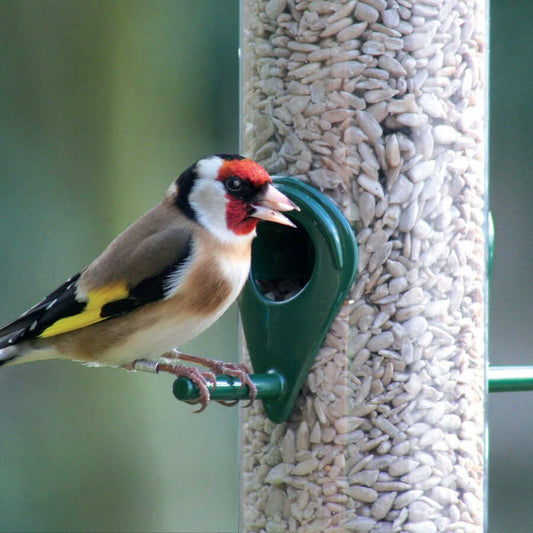
Sunflower Hearts for Wild Birds - Premium Quality
Vendor:HAITH'S to HOMERegular price From £4.99 GBPRegular priceUnit price per£4.99 GBPSale price From £4.99 GBP -
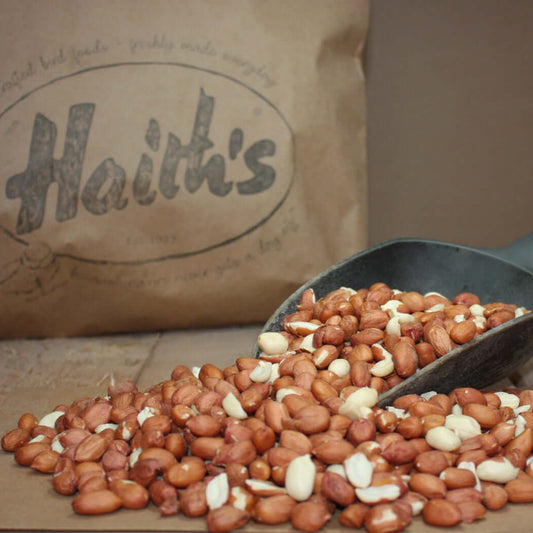
Peanuts for Birds - Premium Quality Wild Bird Food
Vendor:HAITH'S to HOMERegular price From £4.99 GBPRegular priceUnit price per£4.99 GBPSale price From £4.99 GBPSold out -
Huskfree Advance™ - Clean, No Mess Bird Food
Vendor:HAITH'S TO HOMERegular price From £7.19 GBPRegular priceUnit price per£7.99 GBPSale price From £7.19 GBPSave -
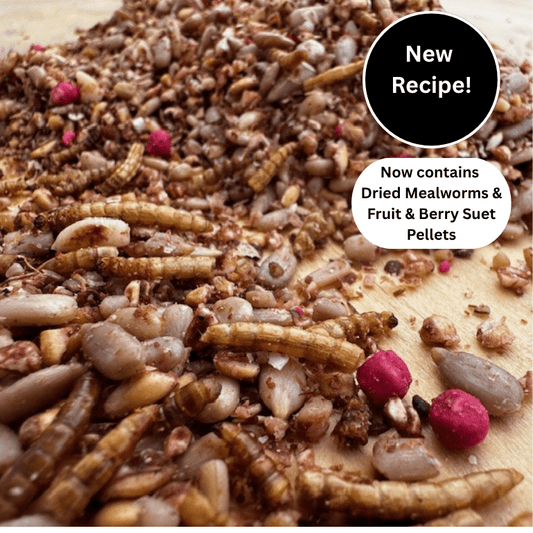
Fat Robin™ – Soft Bird Food with Suet & Mealworms
Vendor:HAITH'S to HOMERegular price From £5.49 GBPRegular priceUnit price per£5.49 GBPSale price From £5.49 GBP