Latest veterinary advice: Experts are urging caution around calls to stop or limit bird feeding — highlighting that the evidence is not yet clear. Read what this means for your garden →
Should You Stop Feeding Garden Birds? What Vets Are Saying Now
If you’ve seen recent headlines suggesting we should stop feeding garden birds, you’re not alone in feeling confused.
For many of us, feeding birds is part of everyday life - a simple, enjoyable way to connect with nature. So, when guidance changes, or opinions appear to clash, it can leave people wondering what the right thing to do actually is.
And right now, there is a conversation happening.

What’s Changed?
Recent guidance has suggested reducing or changing how we feed birds during the warmer months, particularly to help limit the spread of disease.
One of the key concerns is trichomoniasis, a disease that spreads more easily where birds gather closely - such as at feeding stations. It has already been linked to significant declines in certain species, including greenfinches.
As a result, advice has shifted towards:
- Feeding less during spring and summer
- Improving hygiene at feeding stations
- Reducing overcrowding
These are important considerations, and they shouldn’t be ignored.
What Are Vets Saying?

The British Veterinary Zoological Society (BVZS) has welcomed the discussion but also urged caution about treating the new guidance as a final answer.
In the Vet Times article:
"Vet group urges caution over new bird feeding guidance" - "The British Veterinary Zoological Society (BVZS) has questioned the case behind the RSPB’s call for seasonal feeding, which it believes has not been fully set out." - BVZS president Elliott Simpson-Brown argued the call represented a “fundamental change” in the public’s approach to bird feeding and argued the relevant evidence had not been “clearly detailed”.
Source: https://www.vettimes.com/news/vets/exotic/vet-group-urges-caution-over-new-bird-feeding-guidance
"About the Society
The British Veterinary Zoological Society (BVZS) is a specialist division of the British Veterinary Association (BVA) dealing with the interests of free-ranging and captive wildlife, zoo animals and non-traditional companion animals (NTCAs). The Society has several hundred active members, including registered veterinary surgeons, veterinary nurses, students and other interested individuals in related academic fields.
The BVZS supports and promotes veterinary knowledge and scientific advancement in the health, welfare and conservation of free-ranging and captive wildlife, zoo animals and non-traditional companion animals and encourages veterinary input and support for the health and welfare of these species by those individuals and organisations responsible for their care." - https://bvzs.co.uk/about-us/
So… Should You Stop Feeding Birds?

If you’re feeding birds in your garden, these simple steps make a real difference! These aren’t new ideas - but they’ve never been more important.
-
Keep Feeders Clean
- Clean feeders at least once a week
- Disinfect regularly
- Remove old or damp food
-
Manage Feeding Areas
- Move feeders periodically
- Avoid build-up of waste beneath feeding sites
- Space feeders apart to reduce crowding
-
Feed Little and Often
- Avoid overfilling feeders
- Only provide what birds will eat within a short period
-
Choose Quality Food
- Clean, fresh ingredients matter
- Avoid dusty or contaminated seed
Stay Observant
- Look out for signs of illness
- Pause feeding temporarily if needed

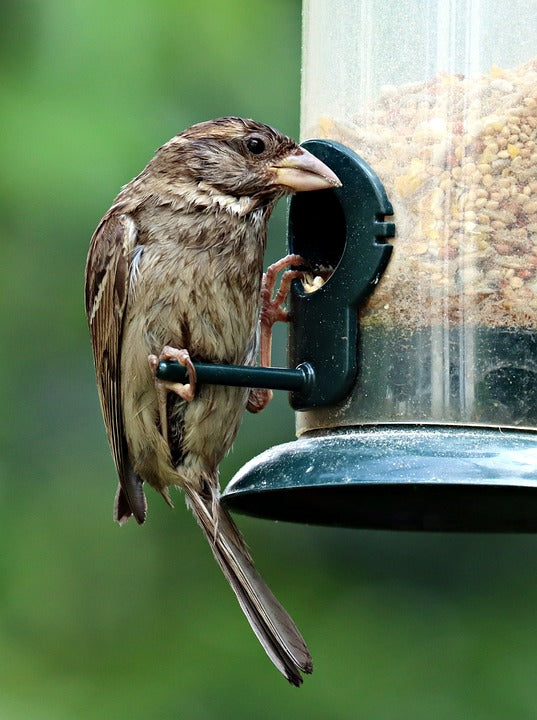
That means supporting responsible feeeding, not just feeding itself.
It also means recognising that:
- Science evolves
- Guidance adapts
- And the best approach is often a balanced one
We don’t believe the answer is to stop feeding birds altogether.
We believe the answer is to do it properly.
It’s easy for conversations like this to become polarised - to turn into “feed” vs “don’t feed.”
But the reality is more grounded than that.
Feeding birds, when done responsibly, remains one of the simplest and most meaningful ways to support wildlife in our gardens.
The key isn’t whether you feed.
It’s how.

This conversation will continue to evolve - and that’s a good thing.
Because at its heart, it’s about the same goal we all share:
Healthier birds, thriving in the wild and in our gardens.
And that’s something worth getting right.

2 comments
grea advice that i wil folow a i enjoy feeding and watching different birds,
Thought provoking response. Whilst I see where the RSPB are coming from, there doesn’t appear to be much depth to the recommendation. Ironic that last Sundays Secret Garden (BBC) focussed on the number of urban baby birds they starve each year due to lack of food.