What We’ve Learned from Thousands of Conversations About Feeding Garden Birds
Over the past few weeks, something unusual has happened in the world of garden bird feeding.

Following the recent discussion around bird feeders, disease risk and supplementary feeding, we’ve seen thousands of comments, messages and conversations from bird lovers across the UK. Some people felt angry. Some felt confused. Many simply wanted clear advice.
The biggest thing we noticed was this: people care deeply about the birds visiting their gardens and genuinely want to do the right thing.


The speed at which the story spread across parts of the media caught many people off guard. To be fair to the RSPB, they did not issue a blanket instruction telling people to stop feeding wild birds altogether. Their guidance focused more heavily on feeding mealworms and suet during spring and summer while encouraging people to think more carefully about hygiene and disease prevention around feeders.

However, once the story reached sections of the national media and social media, the message became simplified, sensationalised and, in some cases, completely distorted. Headlines quickly appeared suggesting people had been told to “stop feeding the birds” entirely. Predictably, confusion followed.

One of the strongest themes emerging from the conversations we’ve had is that people do not respond well to abrupt, top-down messaging about what they should or should not do in their own gardens, particularly when those gardens have become one of the few remaining places where many feel connected to wildlife. Gardens are personal spaces. For some people they are
places of peace, routine, wellbeing and daily contact with nature.
-

As the weeks have passed since the original announcement, another important point has started to emerge. The research and wider understanding around supplementary feeding, disease transmission, habitat loss and changing bird behaviour is still evolving. There are still gaps in knowledge, ongoing debate and many unanswered questions. That is precisely why balanced, practical guidance matters more than sensational headlines.


The reality is more nuanced than some early reporting suggested. Wild birds face multiple pressures at once: habitat loss, declining insect numbers, urban development, modern farming pressures,
predators, extreme weather and disease. Bird feeders are only one small part of a much larger ecological picture. Reducing the entire conversation down to “feed birds” versus “don’t feed birds” was always unlikely to reflect the complexity of what is happening in British gardens and across the countryside.
What has become increasingly clear through thousands of conversations is that most people are willing to adapt and feed more responsibly when given calm, practical advice. People are not rejecting hygiene. They are not dismissing disease risk. They simply want balanced
information rather than fear-driven headlines that leave them feeling guilty
for caring about wildlife. That is why we keep returning to the same simple principle:
Feed birds properly.

Fresh food. Clean feeders. Fresh water. Feed little and often. Monitor what is happening in your own garden. Adapt when needed. Support wildlife responsibly.


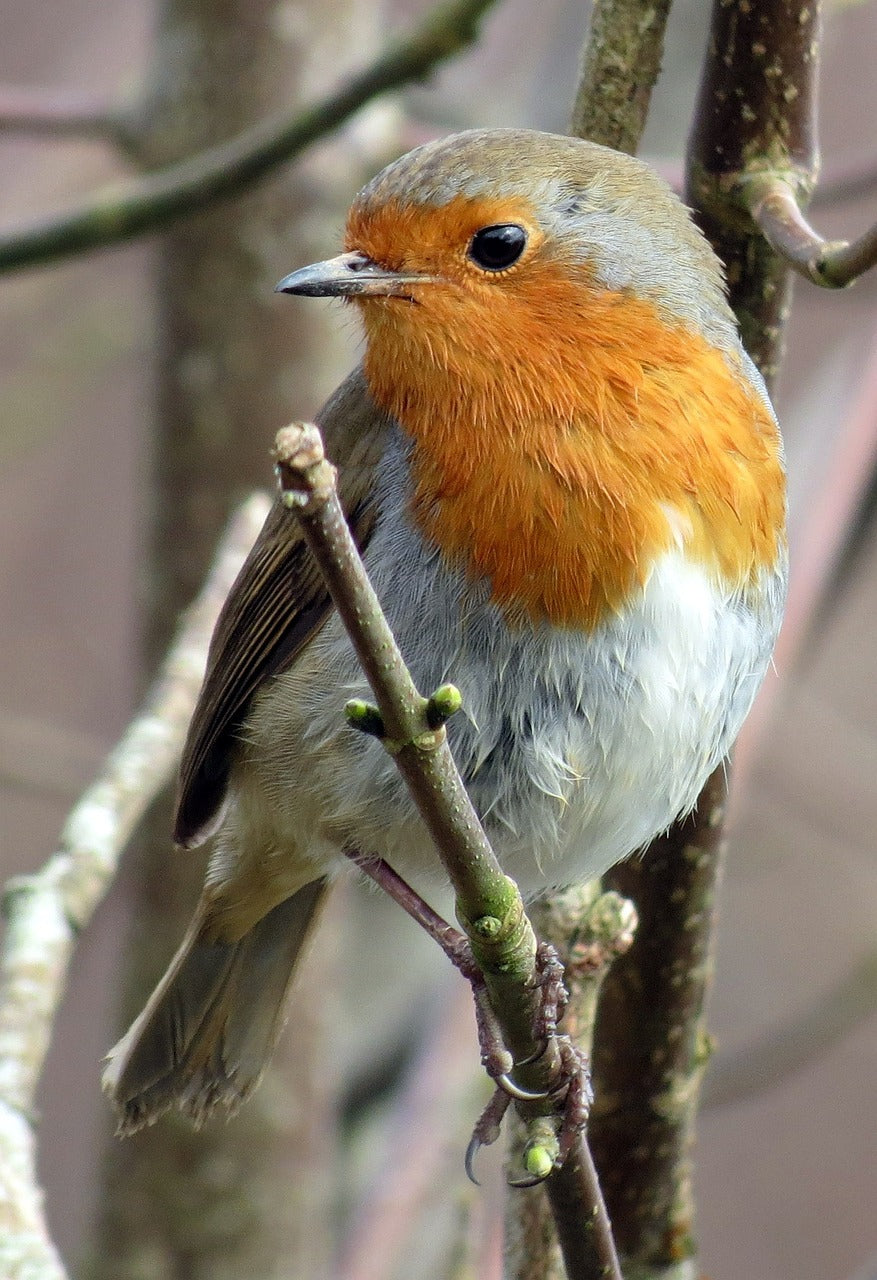
Another recurring issue was larger birds dominating feeding stations. People spoke about pigeons, starlings and magpies consuming food quickly and preventing smaller birds from accessing feeders. Others wanted advice on how to attract robins, blue tits, sparrows and finches back into the garden. This is where feeder type, food choice and feeding position become important. Sunflower hearts, suet products, mealworms and species-appropriate seed mixes all play different roles depending on the birds people want to support.
Disease and hygiene were also major topics of discussion. Dirty feeders, stagnant water and overcrowded feeding areas can contribute to problems, which is why regular cleaning and sensible feeding routines matter. This is not a new idea. Experienced bird feeders, wildlife rehabilitators and avian veterinary specialists have been encouraging responsible feeding
practices for years.
-

Another striking theme running through the comments was how emotionally important bird feeding has become for many people. During lockdowns, millions of people reconnected with wildlife through their gardens. Feeding birds became part of daily routine, mental wellbeing and family life. For older people, those living alone or people unable to access large green spaces, the birds visiting the garden often provide companionship, comfort and a meaningful connection to nature.


Many people also raised wider environmental concerns. Habitat loss, declining insect numbers, modern development and changing farming
practices were all repeatedly mentioned. People understand that gardens increasingly play a role in supporting wildlife. Bird feeders alone are not the
answer to biodiversity decline, but for many species gardens now form part of a wider network of food, shelter and water.
Perhaps the most encouraging part of the past few weeks has been seeing how many people genuinely want to learn, adapt and improve. The conversation has moved beyond simply asking whether we should feed birds and towards a more useful discussion about how to feed birds responsibly.
-

At Haith’s, we believe supporting garden birds should be based on informed, practical and balanced advice rather than fear, confusion or sensationalism. Feeding birds responsibly means combining quality bird food, such as a no mess mix or soft foods, with good hygiene, fresh water, sensible feeding routines and an awareness of the wider environment around us.

