-
Hedgehog Bites - 650g
Regular price £5.99 GBPRegular priceUnit price per£5.99 GBPSale price £5.99 GBP -
Squirrel Mix - NEW Mix
Regular price From £8.62 GBPRegular priceUnit price per£8.62 GBPSale price From £8.62 GBP -
Haith’s Badger Forage Mix
Regular price From £15.80 GBPRegular priceUnit price per£15.80 GBPSale price From £15.80 GBP -

 Sold out
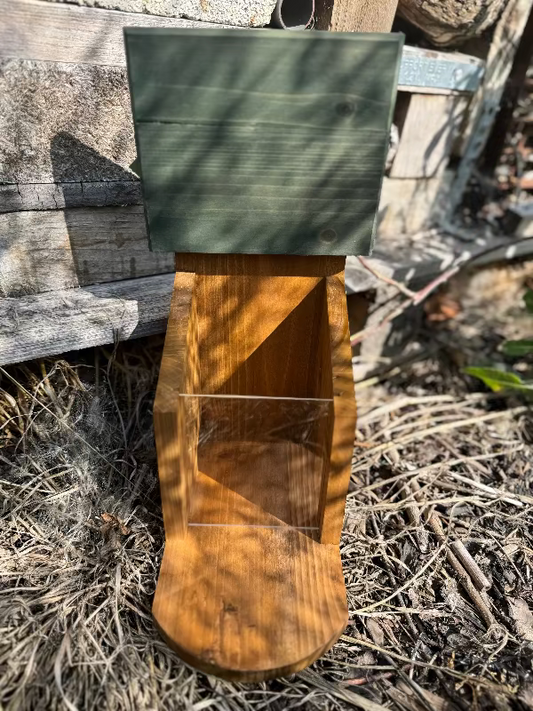
Squirrel Feeder - Snack Box
Regular price £15.95 GBPRegular priceUnit price per -

 Sold out
Hedgehog Crossing
Regular price £14.99 GBPRegular priceUnit price per£14.99 GBPSale price £14.99 GBPSold out -

 Sold out
Universal Ground Feeder (small)
Regular price £5.95 GBPRegular priceUnit price per£5.95 GBPSale price £5.95 GBPSold out


Feeding Garden Wildlife
Know Who Is Visiting. Feed Accordingly.
Hedgehogs, squirrels and badgers are very different animals, so garden wildlife feeding should start with the visitor rather than one general idea of “wildlife food”.
Offer suitable supplementary food in manageable amounts, provide fresh water and keep an eye on what is actually being eaten.
Start With The Visitor
Who Is Using Your Garden?
Hedgehogs
Supplement What They Find Naturally
Hedgehogs naturally forage for invertebrates and other foods around the garden. Supplementary food can provide an additional feeding opportunity for animals already visiting.
Offer suitable hedgehog food in a manageable amount, check what remains and remove uneaten or spoiled food rather than allowing it to accumulate.
Shop Hedgehog BitesNever Milk.
Hedgehogs are lactose intolerant, so milk should not be offered. Bread is also not an appropriate supplementary food. Provide fresh water to drink instead.
What To Offer
Keep Hedgehog Feeding Simple
- ✓ Suitable meat-based hedgehog food.
- ✓ Fresh water in an accessible shallow dish.
- ✓ Manageable quantities rather than excessive food.
- ✓ Clean dishes and feeding areas.
- ✓ Natural foraging opportunities elsewhere in the garden.
What Not To Offer
Milk And Bread? Leave Them Off The Menu.
- × Do not give hedgehogs milk.
- × Do not use bread as a substitute for suitable food.
- × Do not leave old food sitting outside indefinitely.
- × Do not assume every animal visiting the bowl is a hedgehog.

Don’t Forget The Water
Fresh Water Is Part Of The Setup
A shallow dish of fresh water is a simple addition to a wildlife feeding area and is especially useful alongside dry food.
Check the water regularly, replace it when needed and keep the dish clean rather than simply topping up old water.
Beyond Food
Sometimes Access Is More Useful Than Another Bowl
Hedgehogs naturally move between gardens while foraging. Connected outdoor spaces can therefore be just as relevant as supplementary feeding.
A suitable gap or purpose-made hedgehog crossing can help maintain routes through otherwise enclosed garden boundaries.
View Hedgehog Crossing
Supplementary Means Supplementary
Support Natural Behaviour. Don’t Replace It.
Garden wildlife should still be able to forage naturally. Supplementary food is an addition to those opportunities, not a replacement for them.
Start with modest quantities, watch what is eaten and reduce the amount if significant food is being left behind.
Watch What Happens
- 01 Who is actually eating the food?
- 02 How quickly is it being eaten?
- 03 Is food being left overnight?
- 04 Is the feeding area staying clean?
- 05 Should you offer less next time?

Squirrels
Give Squirrels Their Own Feeding Point
A dedicated squirrel food and feeder can provide a defined place for squirrels already visiting the garden.
Feeding squirrels separately may help you manage where food is offered, but it should not be treated as a guarantee that squirrels will stop investigating bird feeders.
Wildlife Meets Bird Feeding
Manage The Feeding Points Separately
Squirrels do not distinguish between “their” food and food intended for garden birds.
If squirrels regularly dominate bird feeders, consider the feeder design, position and access route rather than expecting a separate squirrel feeder to solve the problem on its own.
Explore Squirrel-Resistant Bird FeedersBadgers
Feed Visitors, Rather Than Trying To Create Them
Where badgers already visit a garden, supplementary food can be offered in modest amounts as an addition to their natural foraging.
Keep the feeding point well managed, remove uneaten food and observe which animals are actually using it, particularly if food is left out overnight.
Shop Badger Food
After Dark
Let The Morning Tell You What Happened Overnight
Many mammal visitors are most active when the garden becomes quiet.
Offer manageable quantities, then check the feeding area the following morning. What remains can tell you whether you are putting out too much, whether another animal is using the feeding point or whether the setup needs adjusting.
Morning Check
- 01 What has been eaten?
- 02 What has been left?
- 03 Is food becoming wet or spoiled?
- 04 Does the area need cleaning?
- 05 Should the next portion be smaller?
Feed Wildlife Properly
More Visitors Means More To Monitor
Outdoor feeding points can be used by several animals, sometimes during the same night.
Remove uneaten or spoiled food, clean dishes and feeding equipment, provide fresh water and rethink the setup if it becomes difficult to keep the area well managed.
Explore Care & HygieneKeep It Manageable
- 01 Offer sensible quantities.
- 02 Check food each day.
- 03 Remove leftovers.
- 04 Clean dishes and feeders.
- 05 Replace drinking water.
- 06 Watch and adjust.
Make Space For Nature
Wildlife Needs More Than Supplementary Food
Natural food, cover, water, connected gardens and places to shelter all form part of a useful wildlife garden.
Feeding can be one element of that environment, but it works best alongside space for animals to continue behaving and foraging naturally.
Continue Exploring
From Wildlife Feeding To The Wider Garden
Helpful Answers
Hedgehog, Squirrel & Badger Feeding FAQs
Practical guidance for supplementary feeding of garden mammals.
What should I feed a hedgehog?
Offer a suitable meat-based hedgehog food as a supplement to natural foraging and provide fresh water in a shallow dish.
Can hedgehogs drink milk?
No. Hedgehogs are lactose intolerant, so milk should not be offered. Give them fresh water to drink instead.
Can I feed bread to hedgehogs?
Bread is not an appropriate substitute for suitable supplementary hedgehog food. Choose food intended or considered suitable for hedgehogs and provide fresh water.
Should I leave food out for hedgehogs every night?
If hedgehogs are visiting, supplementary food can be offered in manageable quantities. Check what remains, remove old food and adjust the amount according to what is actually being eaten.
Should I leave water out for hedgehogs?
Yes. Fresh water in a shallow, accessible dish is useful alongside supplementary food. Keep the dish clean and replace the water regularly.
Will feeding squirrels separately keep them off bird feeders?
Not necessarily. A separate squirrel feeding point may help you manage where food is offered, but squirrels may still investigate bird feeders. Feeder design and positioning should also be considered.
Can I feed badgers in my garden?
Where badgers already visit, supplementary food can be offered in modest quantities alongside their natural foraging. Remove uneaten food and keep the feeding point clean.
How much wildlife food should I put out?
Start with a modest amount and watch what happens. If substantial food remains, reduce the quantity rather than routinely leaving excess food outside.
How should I keep a wildlife feeding area clean?
Remove old food, clean feeding dishes and equipment appropriately and replace drinking water regularly. Keep wildlife feeding equipment separate from household food-preparation equipment.
Is feeding wildlife enough to make a wildlife-friendly garden?
No. Supplementary feeding is only one part of a wildlife garden. Natural food, water, cover, access between gardens and undisturbed spaces are also useful.