How Wild Garden Birds Survive the Snowy, Icy Winter – and How We Can Help Them Reach Spring

Winter can be a magical time, when frost dusts rooftops and gardens fall silent beneath a blanket of snow. But while we admire the beauty of the season from warm homes, wild birds face a very different reality. Short days, icy temperatures, and a severe lack of natural food make the colder months the toughest time of year for them. For many species, winter is a battle for survival.

How Birds Naturally Cope With Winter
-

Energy-Saving Behaviour
Birds may look fragile, but they have evolved to conserve energy in smart ways. During winter, many species reduce activity to preserve precious calories. You may notice that birds appear calmer and move more slowly on particularly cold days. Some birds, such as tits and robins, also fluff up their feathers to trap warm air close to their bodies, acting like a built-in duvet.
-

Overnight Roosting
Night-time is the most dangerous period for birds, when temperatures can drop well below freezing and predators lurk in the shadows. To cope, birds seek sheltered roosting spots such as dense hedges, evergreen trees, nest boxes, or even gaps in buildings. Many species gather in groups during the night to share warmth - wrens, for example, have been found huddling together in groups of 20 or more.
-

Seasonal Fat Reserves
As winter approaches, birds instinctively eat more to build up fat reserves. This extra layer of fat acts as insulation and also provides energy during long nights when they cannot forage. Small birds only carry enough fat to last them a single night, which means they must feed again as soon as daylight returns.
-

Changing Diets
When insects and berries become scarce, birds switch to whatever food sources remain. Blackbirds may shift from insects to fallen fruit, while blue tits become regular visitors at feeders offering nuts or seeds. Birds are adaptable and opportunistic, but winter puts that adaptability to the test.


Why Birds Need Extra Help in Winter
While birds have evolved to handle winter conditions, modern environments pose new challenges. Urbanisation, tidier gardens, reduced hedgerows, and unpredictable weather mean that natural resources are often much scarcer than they once were. Harsh winters can lead to high mortality rates among birds, particularly the youngest and smallest
species.
Providing support during the colder months can have enormous benefits:
- Higher survival rates during cold snaps
- Stronger birds entering the breeding season
- Increased biodiversity in gardens
- Closer connections to nature for people
Even small acts of kindness can make the difference between life and death for a hungry bird.
How We Can Help Birds Survive Winter – and Thrive in Spring

Provide Nutritious Winter Food
Feeding birds during winter can save significant energy for them. High-calorie foods are essential, as they help birds maintain body heat and survive the lengthy nights. Some of the best
winter foods include:
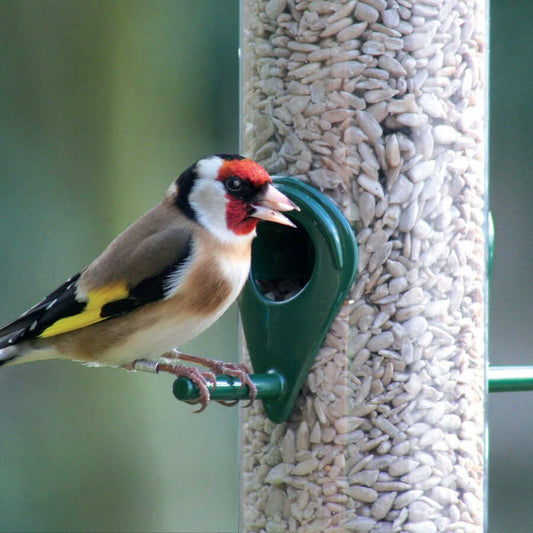
- Sunflower hearts (easy to eat and energy-rich)
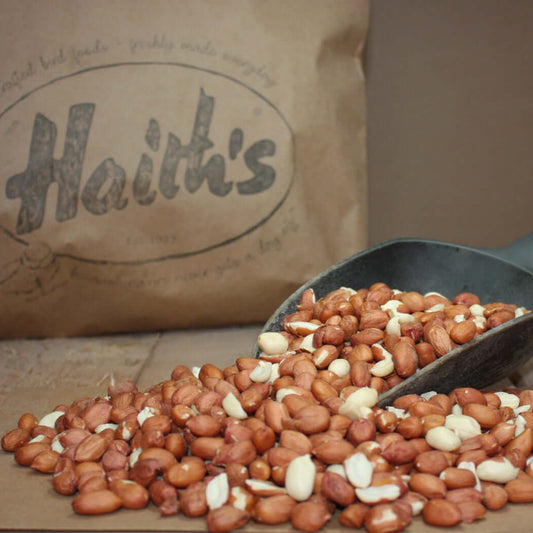
- Peanuts (unsalted and suitable for wildlife)
- Fat balls or suet cakes
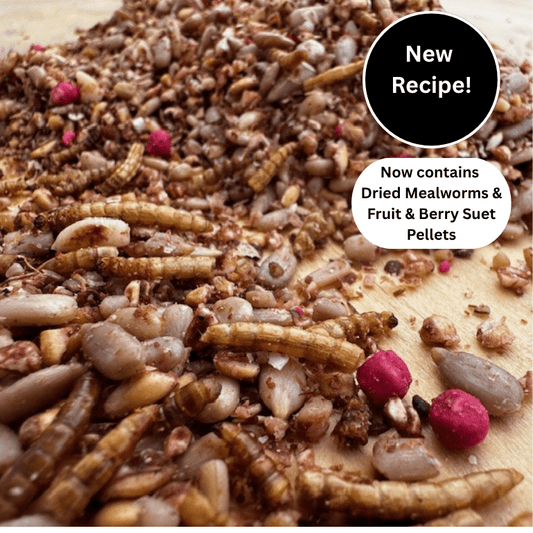
- Mealworms, especially for robins and blackbirds
- Crushed oats, grated cheese, or kitchen scraps such as fruit
Consistency is key - once birds discover your feeding station, they rely on it. Try not to stop feeding suddenly during cold
spells.

Offer Fresh, Unfrozen Water
Finding water is just as important as finding food. In freezing conditions, ponds and puddles ice over, leaving birds without a place to drink or bathe. You can help by:
- Providing a shallow dish of fresh water daily
- Checking and breaking ice each morning
- Adding a small floating ball to prevent full freezing
A simple gesture, but an essential one.

Create Winter Shelter
Shelter protects birds from wind, snow, and predators. You can help provide safe roosting spots by:
- Leaving hedges untrimmed until spring
- Growing evergreens such as holly or ivy
- Installing nest boxes (many birds use them for winter roosting, not just spring nesting)
- Allowing a corner of the garden to stay a bit “wild”
The more layers and hiding places your garden has, the better.

Keep Feeders Clean and Safe
Dirty feeders can spread disease, especially when large numbers of birds rely on them in winter. Regular cleaning with hot water (no strong chemicals) helps keep them safe and healthy. Also ensure feeders are placed high enough to discourage cats and other predators.

Leave Some Natural Food Sources
While feeders are helpful, natural food is still important. You can support wildlife by:
- Planting berry-bearing shrubs like cotoneaster, rowan, and hawthorn
- Allowing seedheads from flowers such as teasels and sunflowers to remain
- Leaving fallen leaves and apples on the ground for blackbirds and thrushes
This small change in garden habits can make a big difference for winter survival.
Why Helping Birds Benefits Us Too

Supporting garden birds is not only good for nature - it enriches our own lives as well.
- Daily enjoyment: Watching birds at feeders brings colour and movement to winter days.
- Stress relief: Observing wildlife has been shown to reduce anxiety and improve mental wellbeing.
- Healthier ecosystems: Birds help control pests, pollinate plants, and maintain balance in the garden.
- Educational opportunities: Families, children, and adults alike can learn from observing seasonal bird behaviour.
By helping birds survive the winter, we also help cultivate a thriving, vibrant environment around us.

Winter poses real challenges for wild garden birds, but with a little help, they can not only survive but reach spring with strength and vitality. Food, water, shelter, and a bit of care can make a remarkable difference. As spring returns and birds begin singing and nesting,
you may find that the same individuals who survived your winter kindness reward you with their presence throughout the year.
Taking care of birds is a simple act of compassion - and a powerful way to connect with the natural world just outside our windows.
Written by Chris
Shop your winter bird food here
-
Sunflower Hearts for Wild Birds - Premium Quality
Regular price From £4.99 GBPRegular priceUnit price per£4.99 GBPSale price From £4.99 GBP -
Peanuts for Birds - Premium Quality Wild Bird Food
Regular price From £4.99 GBPRegular priceUnit price per£4.99 GBPSale price From £4.99 GBPSold out -
Huskfree Advance™ - Clean, No Mess Bird Food
Regular price From £7.19 GBPRegular priceUnit price per£7.99 GBPSale price From £7.19 GBPSave -
Fat Robin™ – Soft Bird Food with Suet & Mealworms
Regular price From £5.49 GBPRegular priceUnit price per£5.49 GBPSale price From £5.49 GBP