-
 Sold out
Sunflower Hearts Feeder
Regular price £17.95 GBPRegular priceUnit price per£17.95 GBPSale price £17.95 GBPSold out -
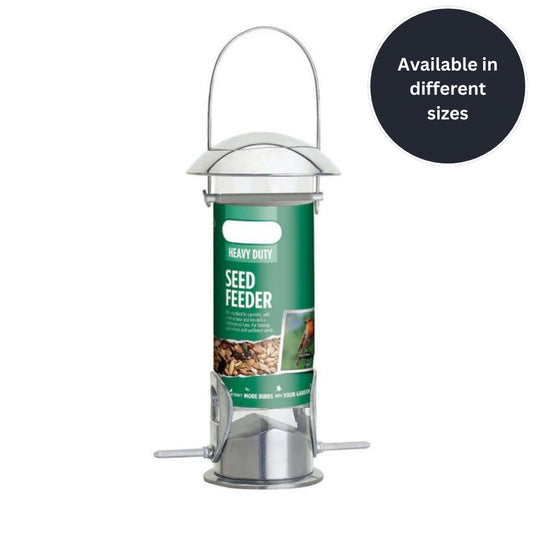
Heavy-Duty Seed Bird Feeder
Regular price From £15.95 GBPRegular priceUnit price per -
Robin & Small Bird Feeder
Regular price £5.99 GBPRegular priceUnit price per -
Ring-Pull Seed Feeder
Regular price From £19.99 GBPRegular priceUnit price per -
Flick 'n' Click Seed Feeder
Regular price £8.96 GBPRegular priceUnit price per£9.95 GBPSale price £8.96 GBPSave -
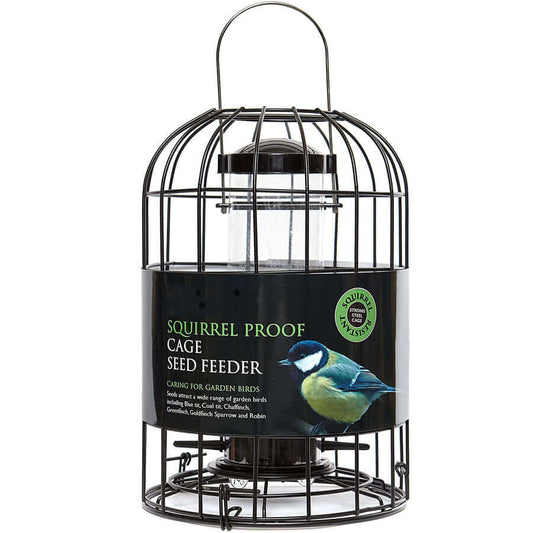
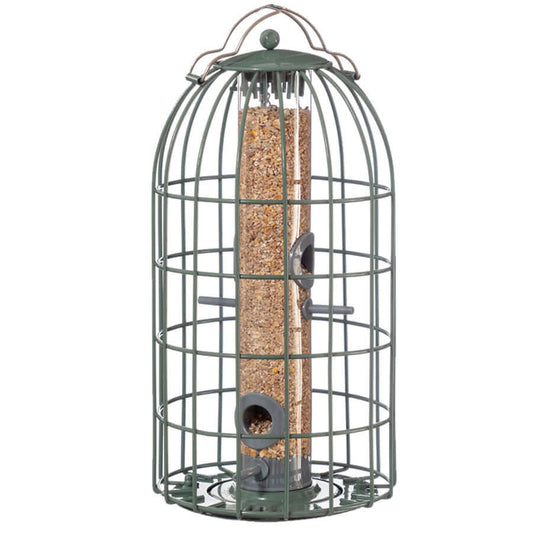
Squirrel Resistant Cage Bird Seed Feeder
Regular price £19.95 GBPRegular priceUnit price per£19.95 GBPSale price £19.95 GBP -
My Favourites Bird Seed Feeder
Regular price £22.99 GBPRegular priceUnit price per£22.99 GBPSale price £22.99 GBP -
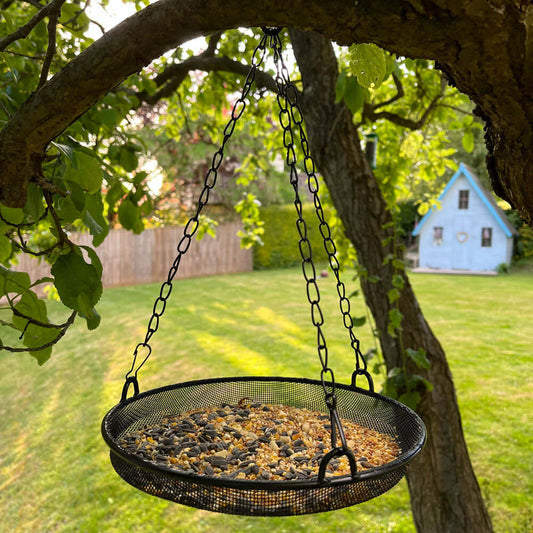
Mesh Hanging Wild Bird Feeder Tray
Regular price £11.99 GBPRegular priceUnit price per£9.99 GBPSale price £11.99 GBP -
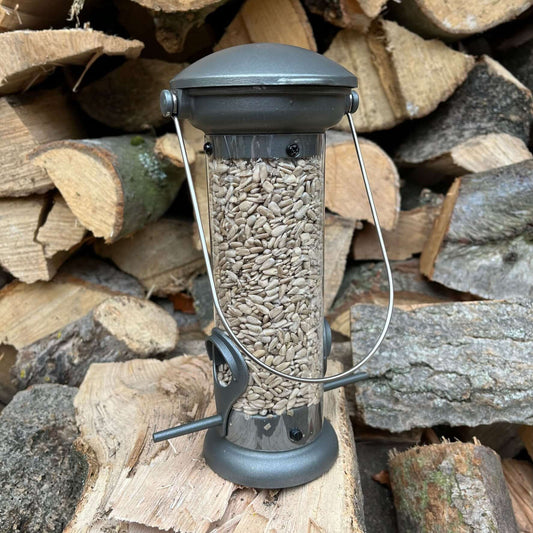
Pewter Flick 'n' Click Metal Seed Bird Feeder
Regular price £12.99 GBPRegular priceUnit price per£12.99 GBPSale price £12.99 GBP -
Ring-Pull Feeder Tray
Regular price £11.99 GBPRegular priceUnit price per£11.99 GBPSale price £11.99 GBP -
Heavy Duty Flick 'n' Click 4 Port Seed Bird Feeder
Regular price £16.95 GBPRegular priceUnit price per -
FlipTop Plastic Seed Feeder
Regular price £5.99 GBPRegular priceUnit price per£5.99 GBPSale price £5.99 GBP -
The Nuttery Cage Bird Seed Feeder
Regular price £34.99 GBPRegular priceUnit price per£34.99 GBPSale price £34.99 GBP -
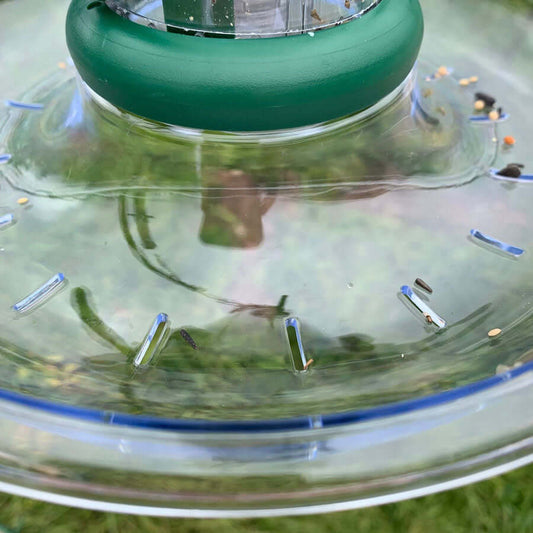
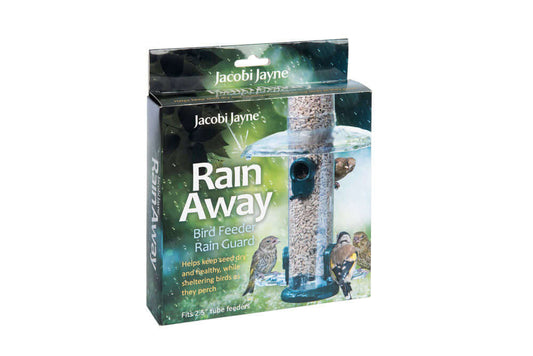
Rain Away Bird Feeder Rain Guard
Regular price £10.99 GBPRegular priceUnit price per£10.99 GBPSale price £10.99 GBP -
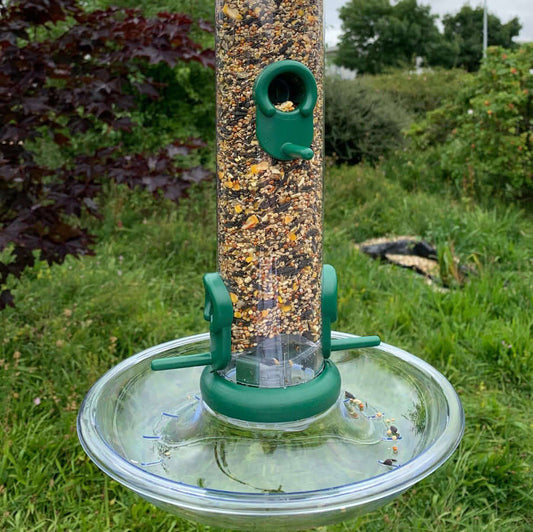
Ring Pull 'Click' Green Seed Feeder
Regular price From £28.99 GBPRegular priceUnit price per£28.99 GBPSale price From £28.99 GBP -
Big Easy™ Metal Bird Seed Feeder
Regular price £49.95 GBPRegular priceUnit price per£49.95 GBPSale price £49.95 GBP -
Black Steel Seed Feeder
Regular price £9.99 GBPRegular priceUnit price per£9.99 GBPSale price £9.99 GBP -

 Sold out
Ring Pull Zinc 'Click' Seed Feeder
Regular price £49.99 GBPRegular priceUnit price per£49.99 GBPSale price £49.99 GBPSold out -
Black Steel Sunflower Seed Feeder
Regular price £9.99 GBPRegular priceUnit price per£9.99 GBPSale price £9.99 GBP -
Flo Seed Feeder - Aqua
Regular price From £16.99 GBPRegular priceUnit price per£16.99 GBPSale price From £16.99 GBP -
Seed and Mealworm POD (Pack of three)
Regular price £19.99 GBPRegular priceUnit price per -
Big Easy Tray
Regular price £24.00 GBPRegular priceUnit price per£24.00 GBPSale price £24.00 GBP -
Contemporary Seed Feeder
Regular price £11.95 GBPRegular priceUnit price per£11.95 GBPSale price £11.95 GBP -
Lantern-Style Seed Feeder
Regular price £4.46 GBPRegular priceUnit price per£4.95 GBPSale price £4.46 GBPSave












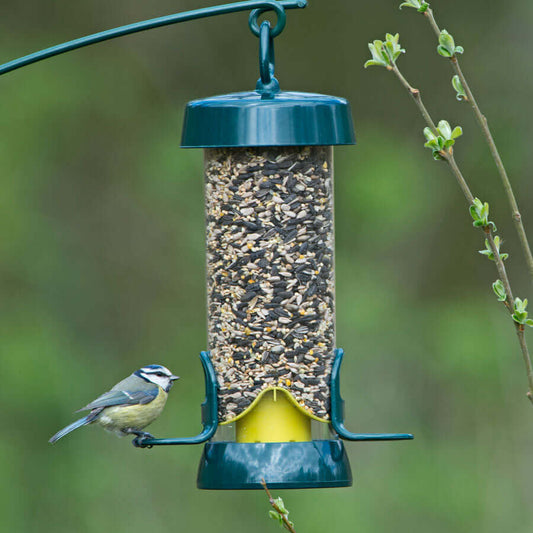




Choosing A Seed Feeder
Start With The Food. Then Watch The Birds.
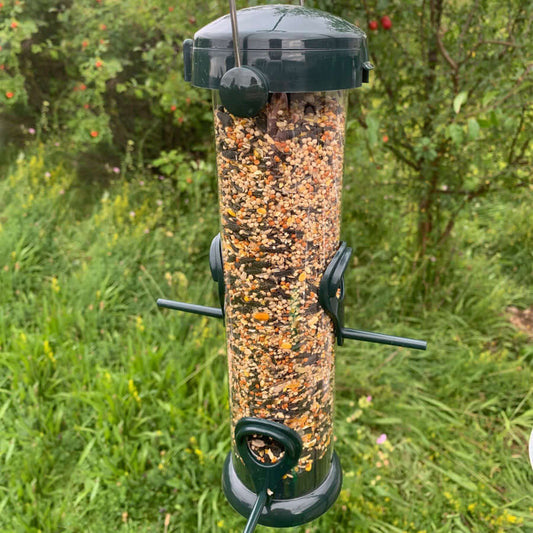
Seed feeders come in different sizes, materials and designs. The right choice depends on the food you want to offer, the birds visiting your garden and how you want to manage the feeding area.
A feeder that works well with one seed or mix may not suit another. Check the size of the feeder openings, the ingredients you plan to use and how easily the feeder can be inspected and cleaned.
Find Your Feeding Route
Which Type Of Seed Feeder Do You Need?
Start with what you want to feed, then choose a feeder that suits the food and the birds visiting your garden.

General Seed Feeders
A straightforward choice for suitable wild bird seed mixes and straight seeds. Check that the feeder ports suit the ingredients you want to offer.

Smaller Seeds & Specialist Feeding
Some smaller seeds benefit from specialist feeder openings. Match the feeder design to the food being offered.

Caged Seed Feeders
Caged and more selective designs can provide another feeding option for smaller birds, although no feeder can guarantee which species will use it.
Food & Feeder
Match The Feeder To The Food You Offer
Seed mixes can contain ingredients of different sizes, so not every food will flow through every feeder in the same way.
Check the individual food and feeder information before choosing, then watch how well the food moves through the feeder once it is in use.

A Useful Check
Is The Food Flowing Properly?
Damp food can clump or stop moving freely through a seed feeder.
Check feeding ports regularly and remove food that has become damp, spoiled or stuck. Refill with fresh, dry food in manageable amounts rather than continually topping up over older food.

Managing Access
Want A More Selective Feeding Point?
If larger birds or squirrels are dominating a feeder, the feeder design itself may be more useful to consider than trying to find a food they will not eat.
Caged and squirrel-resistant feeders can help manage access around a feeding point, but results will vary according to the design and the wildlife visiting your garden.
Around The Feeder
Want To Leave Fewer Husks Behind?
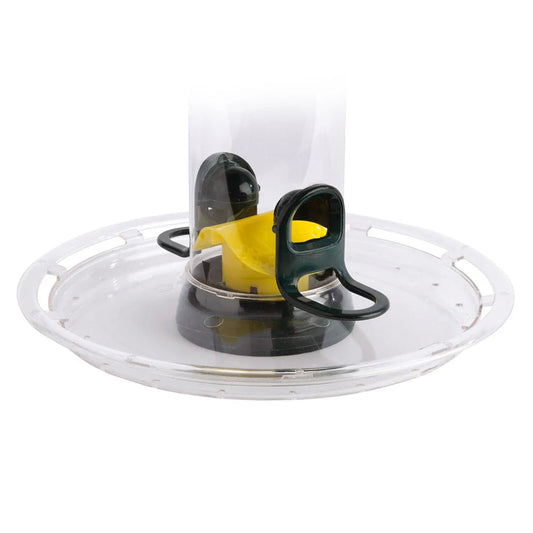
Empty husks and uneaten food can collect beneath seed feeders. A feeder tray may help catch some falling material, while husk-free foods can reduce the amount of discarded husk associated with conventional seed mixes.
Neither removes the need to manage the feeding area, so continue to clear uneaten food and keep the area beneath feeders clean.
Feed Birds Properly
Clean Feeder. Fresh Food. Watch What Happens.
Seed feeders need regular attention. Remove damp or uneaten food, clean feeding equipment and allow it to dry before adding fresh food.
How often this is needed will depend on use, weather and the condition of the feeder. If a feeder becomes dirty or food begins to spoil, deal with it rather than waiting for a fixed cleaning date.
Read The Responsible Feeding GuideA Simple Seed Feeder Routine
- 01 Check how much food is being eaten.
- 02 Remove damp or spoiled food.
- 03 Clean feeder ports and surfaces.
- 04 Allow the feeder to dry.
- 05 Refill with fresh food in manageable amounts.
Feed The Birds You Can See
Not Sure Which Seed Feeder To Choose?
Start with the birds visiting your garden. Once you know which species are feeding, it becomes easier to choose suitable foods and feeder styles.
Shop By Wild BirdHelpful Answers
Bird Seed Feeder FAQs
Practical guidance on choosing, positioning and looking after seed feeders.
Which bird seed feeder should I choose?
Start with the food you want to offer and make sure the feeder openings suit its ingredients. Then consider the birds visiting your garden, feeder capacity and how easy the feeder will be to inspect and clean.
Do I need a seed feeder to feed garden birds?
A purpose-designed seed feeder provides a practical way to offer suitable seed mixes and straight seeds while helping keep food contained and easier to inspect and manage. Other feeding methods may suit different foods and species.
How can I discourage larger visitors from dominating a feeder?
Consider the design of the feeding point. Caged, smaller or more selective feeders may help manage access, although no feeder can guarantee which birds will use it.
Where should I put a seed feeder?
Choose a position where birds can access the feeder and where you can easily inspect, refill and clean it. Watch how birds use the location and adjust it if the feeding point is not working well.
How often should I clean my seed feeder?
Clean seed feeders regularly and whenever food, droppings or other material begins to build up. Remove spoiled food promptly and allow the feeder to dry before refilling.
Why are birds not using my seed feeder?
Bird activity can change for many reasons. Check that the food is fresh and flowing properly, that the feeder is clean and that its position is suitable. Then give the birds time and keep watching how the garden changes.
What should I do if seed gets wet?
Remove food that has become damp or spoiled. Clean the feeder when needed, let it dry and refill it with fresh, dry food.