








01
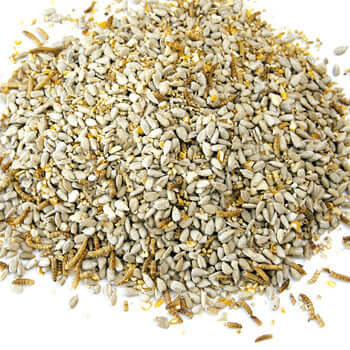
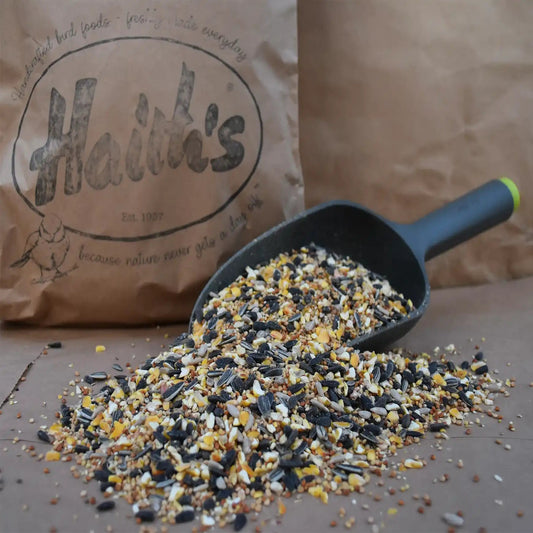
Begin with a mixed seed
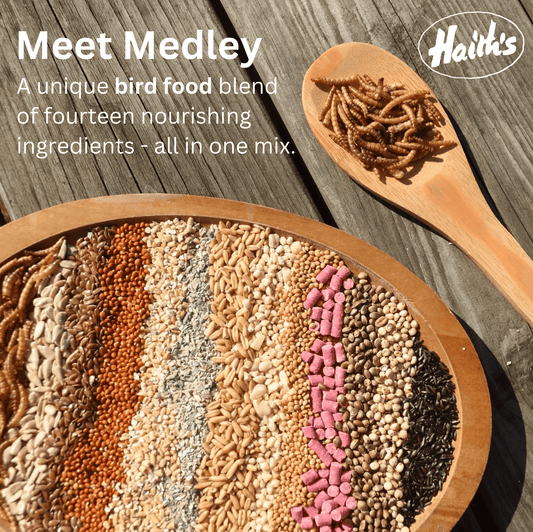
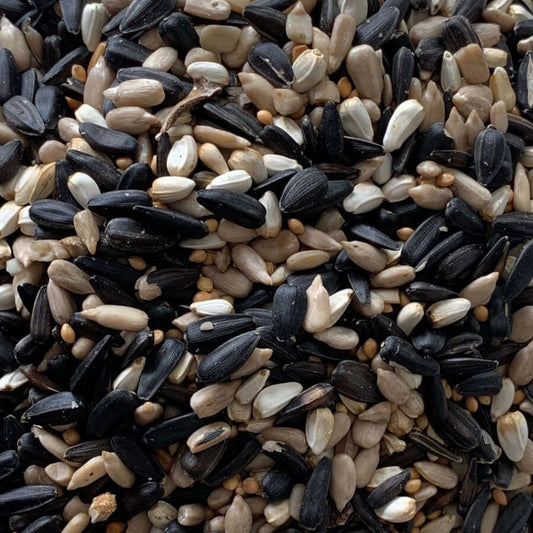
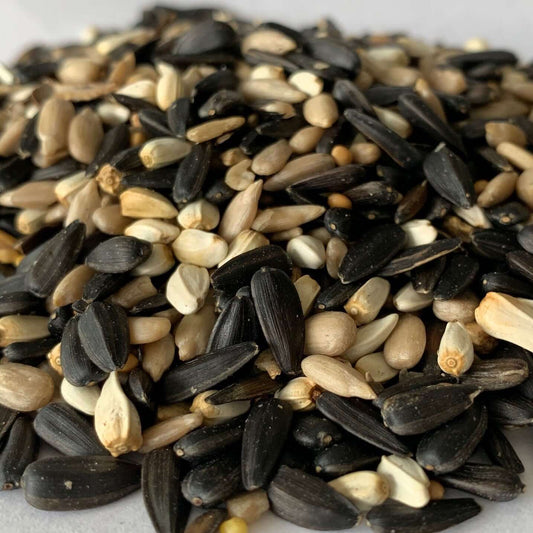
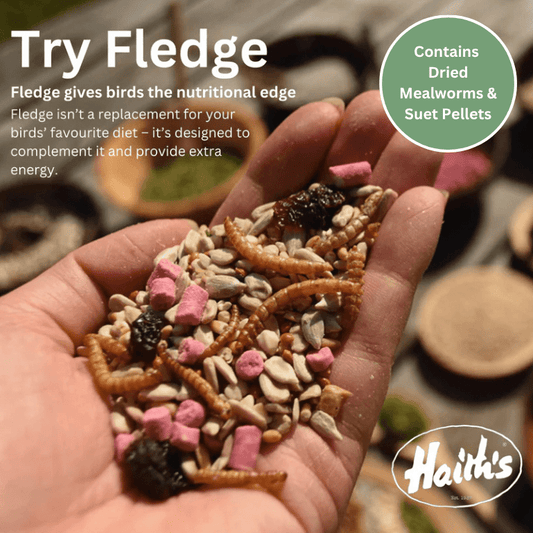
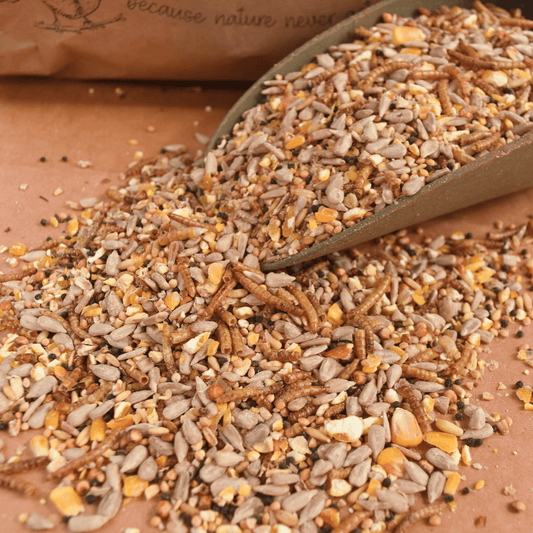
An everyday blend provides a straightforward starting point when several kinds of garden bird use your feeding area.
Explore wild bird seed mixes →The SuperClean™ difference
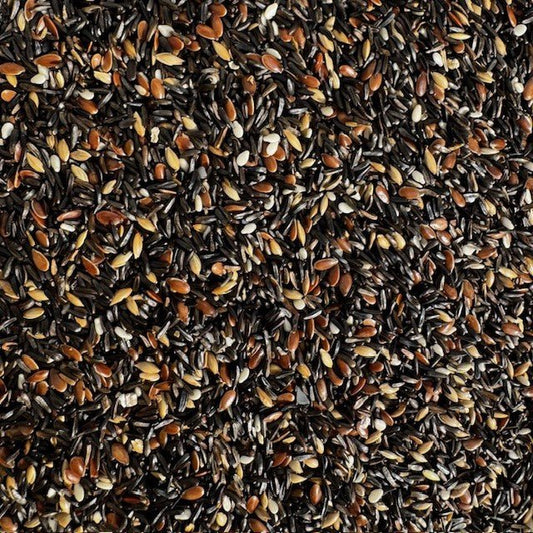
Before our wild bird seed mixes are blended, the seed is carefully cleaned to remove dust, husks and debris.


A practical buying guide
There is no single mix for every visitor or feeding space. Start with where you feed, notice which birds visit and choose a seed mix that suits your routine.
An everyday blend provides a straightforward starting point when several kinds of garden bird use your feeding area.
Explore wild bird seed mixes →
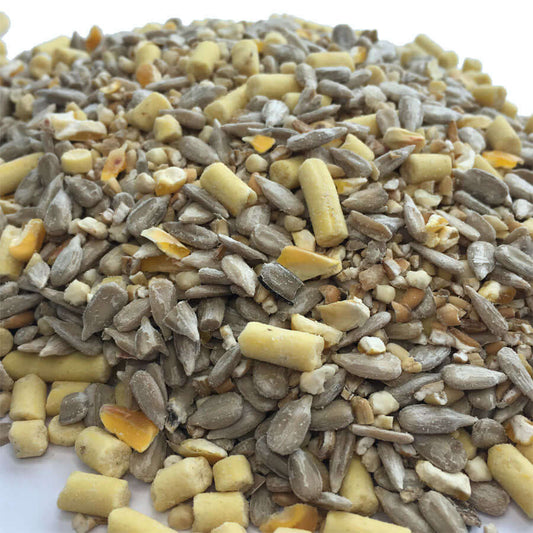
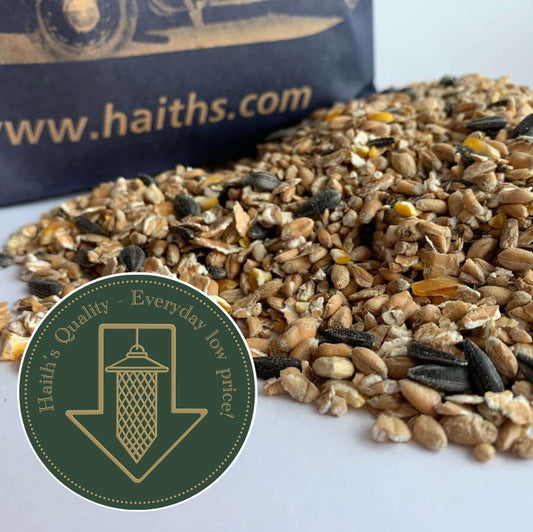
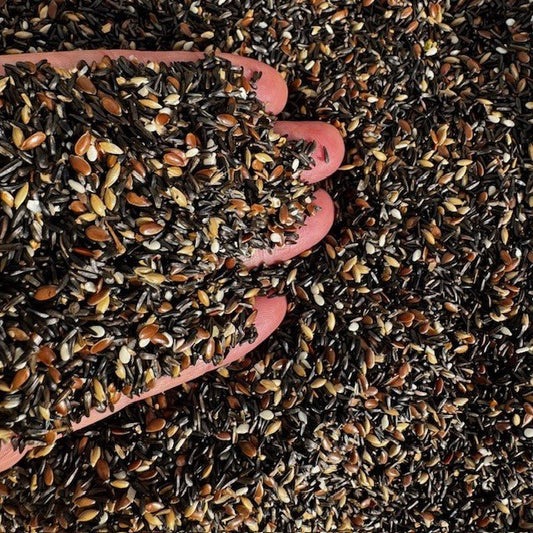
Choose a wheat-free recipe when that is your preference. Check the ingredients and feeding directions to make sure the mix suits your feeding routine.
Shop Premium Wheat-Free Bird Seed →
Seasonal mixes offer another way to vary what you provide. Always follow the product information and feed only what is likely to be eaten.
Browse all wild bird food →How and where you feed
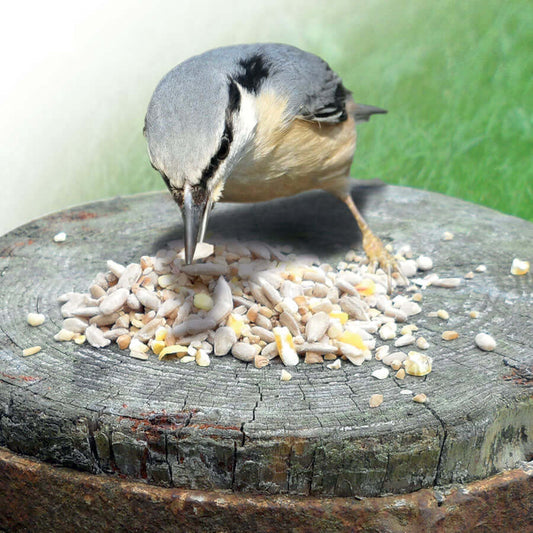
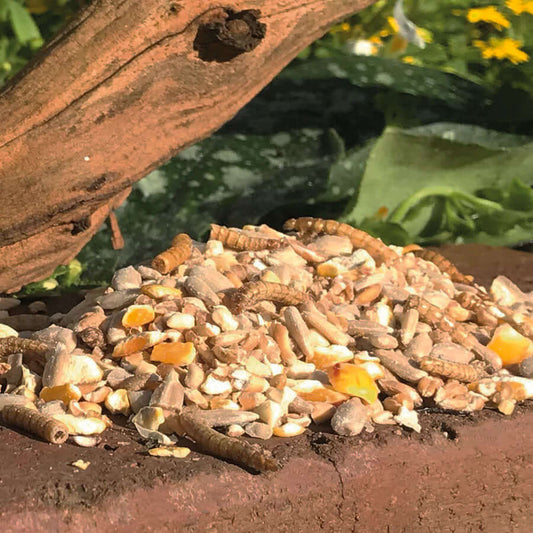
Check the product directions before choosing where to offer a mix. Seed feeders suit many free-flowing seed blends, while bird tables and suitable ground-feeding areas can accommodate foods intended for those locations.
Put out manageable amounts, remove uneaten food and keep feeders, tables and water clean. If you are unsure which food may suit a familiar visitor, use our bird species guide.


Helpful answers
Practical guidance on choosing, using and storing wild bird seed.
Still need help? Contact Haith’sFeeding can continue as part of a responsible routine. Put out manageable amounts, remove uneaten food, keep feeders and feeding areas clean, allow cleaned feeders to dry and provide fresh water. Our responsible feeding guide explains these habits in more detail.
The visitors will depend on your location, the food offered and how it is presented. Familiar garden birds such as sparrows, finches and tits may use seed feeders, while some birds prefer food offered on tables or in suitable ground-feeding areas. Use our bird species guide to explore food choices for familiar visitors.
Start by observing which birds visit and where they prefer to feed. Check each product description for its ingredients and suggested feeding method. An everyday mixed seed is a practical starting point. You can also consider no-mess bird seed, a wheat-free recipe or a specialist mix according to your preferences.
Before blending, seed passes through Haith’s SuperClean™ cleaning process to remove dust, husks and debris. You can see the process and the material removed on our SuperClean™ seed page.
Many wild bird seed mixes can be offered in a seed feeder. Check the product directions and make sure the feeder openings suit the size and type of seed. Foods intended for bird tables or ground-feeding areas should be presented as directed. Keep all feeding equipment clean and remove damp or uneaten food.
Store seed in a cool, dry place and keep the packaging securely closed. A clean, dry container can provide additional protection. Avoid moisture and check the food before feeding. Follow any storage or best-before information supplied with the product.
Bird seed can deteriorate if it becomes damp or is stored poorly. Do not offer food that appears mouldy, smells unusual or has otherwise deteriorated. Buying an amount that suits your feeding routine can help you use the seed while it remains in good condition.