
Feed birds properly with Haith's
You don’t need to stop feeding birds. You just need to do it properly.
'Feeding isn’t the problem. It’s how we feed.' - Professor John E. CooperFeeding birds isn’t owned by one organisation. It’s powered by millions of people every day. That’s one of the most powerful forces for nature we have.
Powered by People Like You.
Here’s how to put this into practice.
-

Wild Bird Food
You feed birds because you care. This collection is designed to help...
-

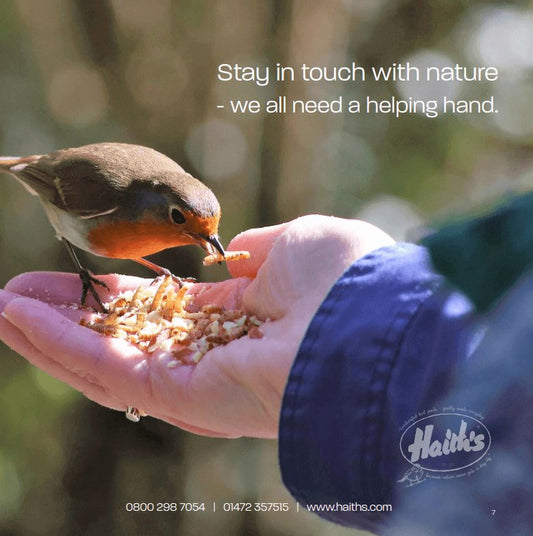
Feed Robins & Ground-Feeding Birds - Not all birds use seed feeders
Feed Birds That Don’t Feed from Seed Feeders Softfoods are designed for...
-

Mealworms for Birds - Natural Nutrition, Done Properly
Mealworms are one of the most natural and effective ways to support...
-

Feed Birds Properly, Start With Hygiene
Clean feeders, fresh water, and good habits are essential for feeding birds...
-
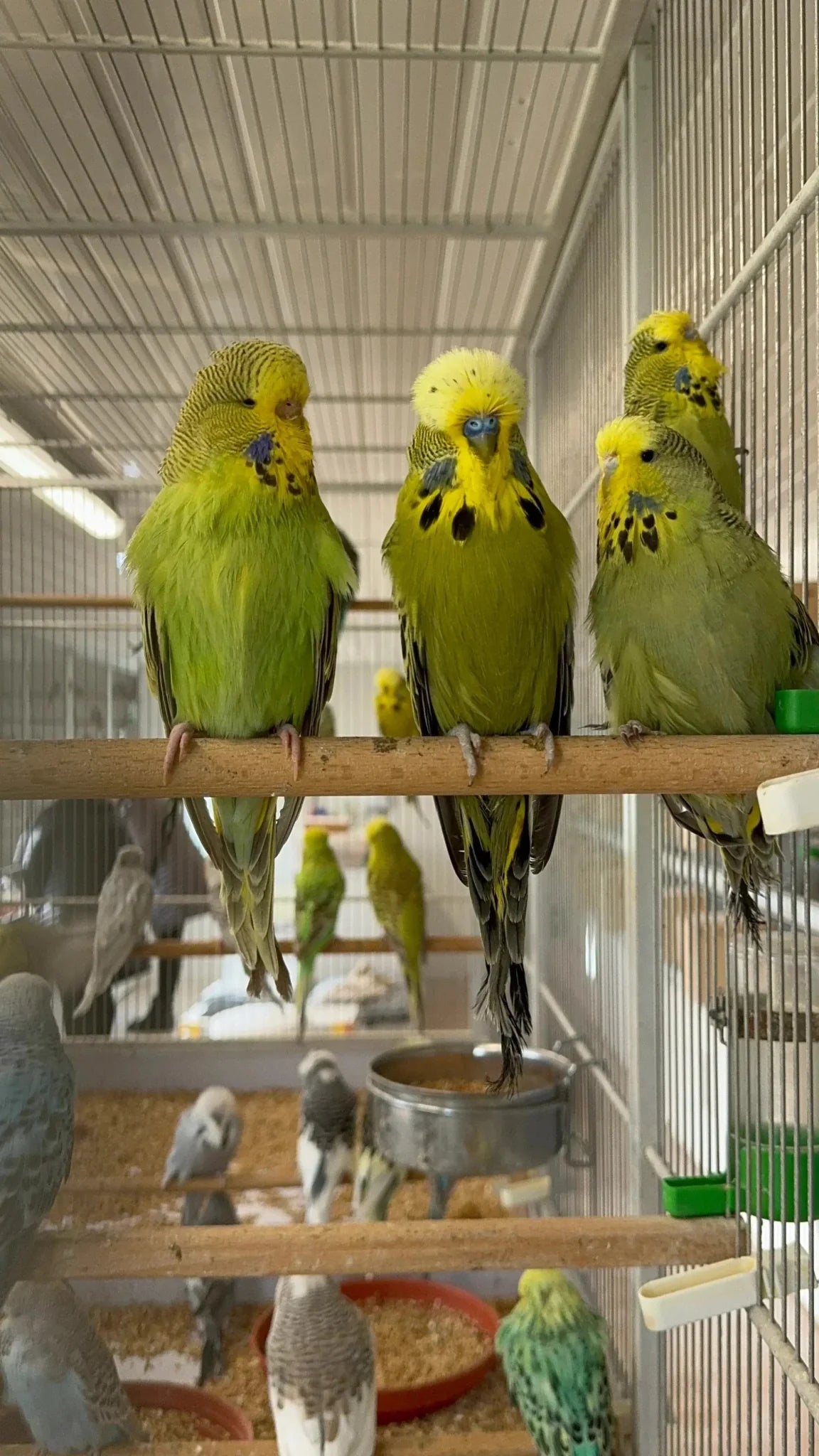
Cage & Aviary Bird Seed Since 1937
Premium SuperClean™ Nutrition for Healthy, Happy Birds At Haith’s®, our SuperClean™ cage...
-
Shop Fish Feeds & Ingredients
Haith's has been delivering the finest fishing ingredients for over 40 years....


Mealworms & Softfood
-
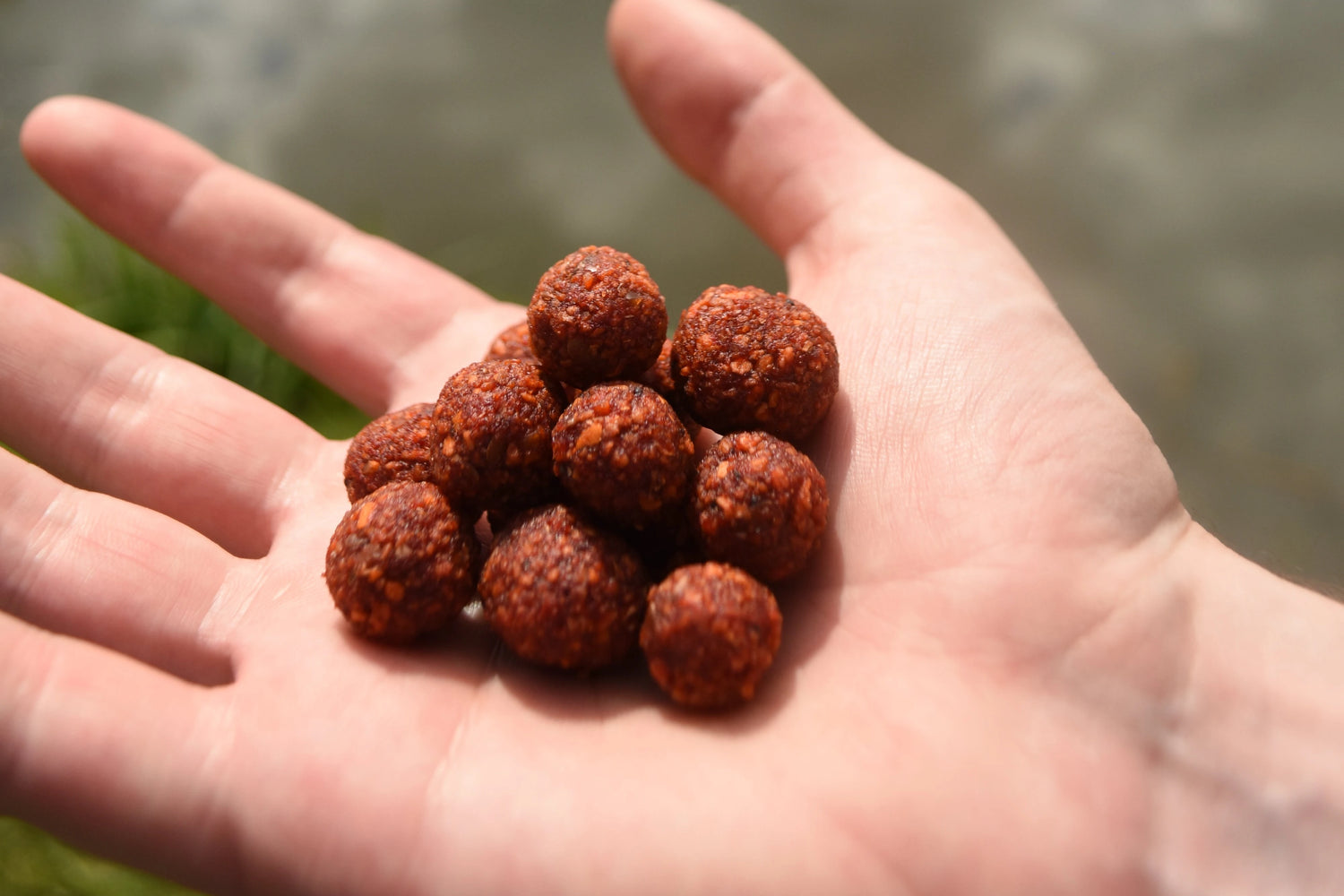
Dried Calciworms for wild birds
Regular price From £6.92 GBPRegular priceUnit price per£6.92 GBPSale price From £6.92 GBP -
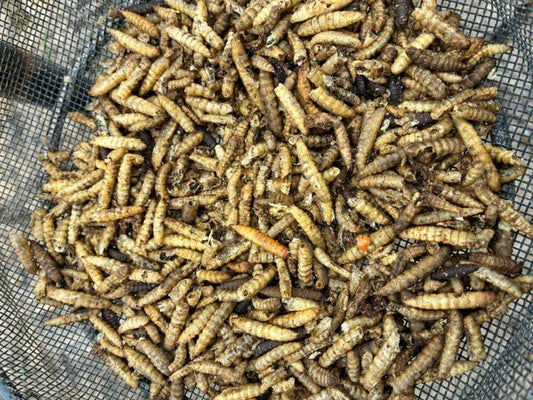
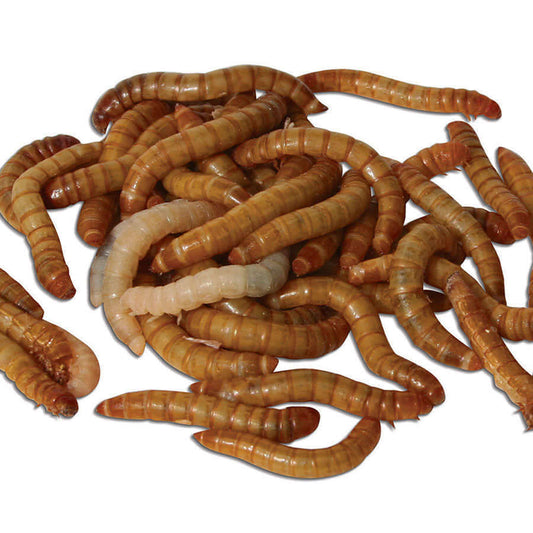
Dried Mealworms for wild birds
Regular price From £6.29 GBPRegular priceUnit price per£6.29 GBPSale price From £6.29 GBP -
Live Mealworms for wild birds
Regular price From £19.95 GBPRegular priceUnit price per£19.95 GBPSale price From £19.95 GBP -
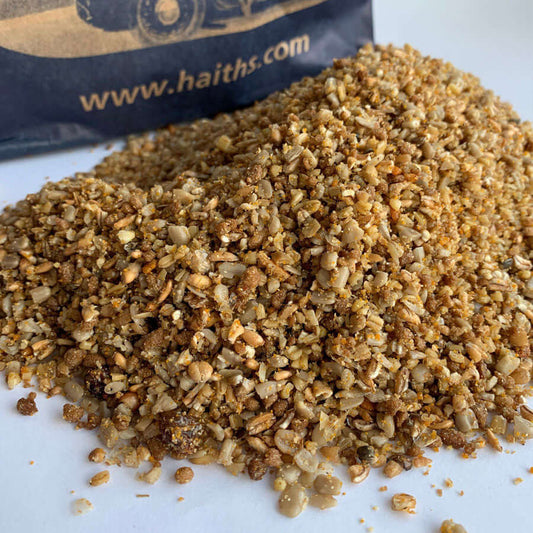
Golden Chorus™ - Advanced Softfood for Specialist Ground Feeders
Regular price From £7.99 GBPRegular priceUnit price per£7.99 GBPSale price From £7.99 GBP -
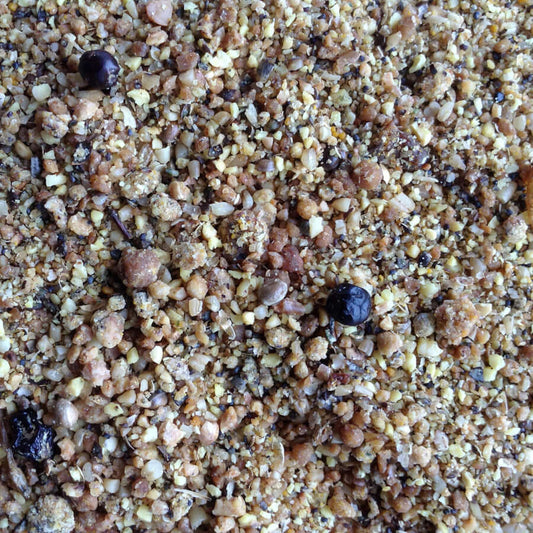
Prosecto™ Insectivorous Food - Advanced Softfood for Ground-Feeding Birds
Regular price From £7.49 GBPRegular priceUnit price per£7.49 GBPSale price From £7.49 GBP -
Softbill Food with Honey - High-Protein Support for Robins & Ground Feeders
Regular price From £10.99 GBPRegular priceUnit price per£10.99 GBPSale price From £10.99 GBP
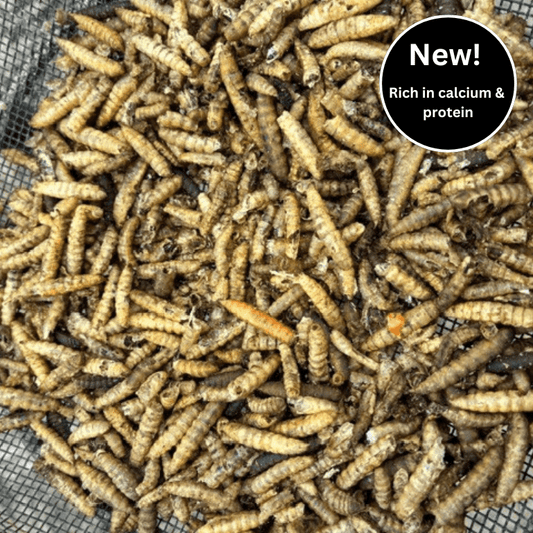




Suet & Fat Balls
-
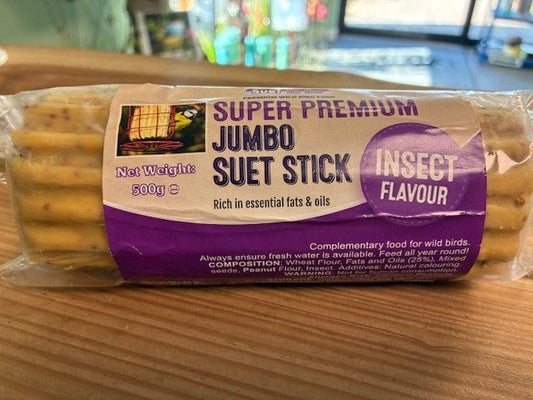
Jumbo Suet Stick with Insects
Regular price £2.90 GBPRegular priceUnit price per -
Fruit and Berry Suet Pellets
Regular price From £4.95 GBPRegular priceUnit price per£4.95 GBPSale price From £4.95 GBP -
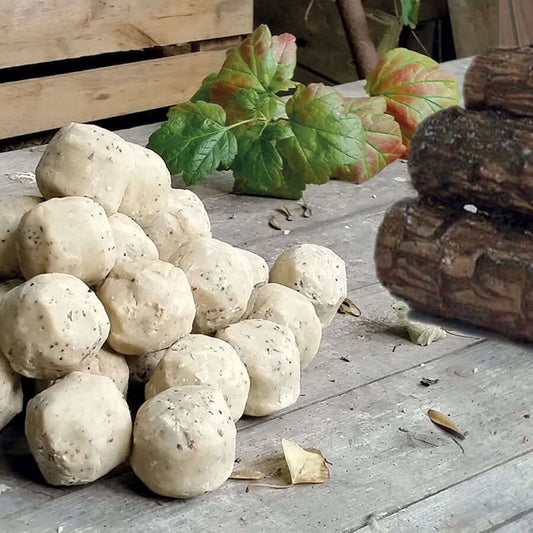
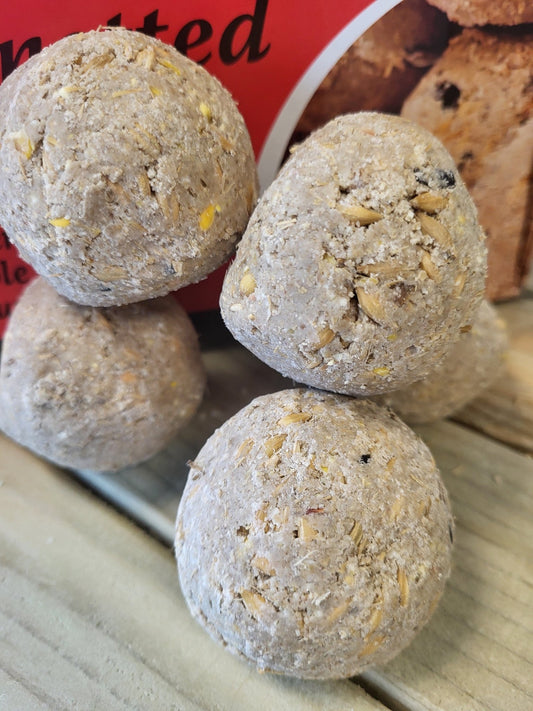
Great British Suet Fat Balls (no nets)
Regular price From £19.99 GBPRegular priceUnit price per£19.99 GBPSale price From £19.99 GBP -
Super Value Fat Balls (no nets)
Regular price From £9.99 GBPRegular priceUnit price per£9.99 GBPSale price From £9.99 GBP -
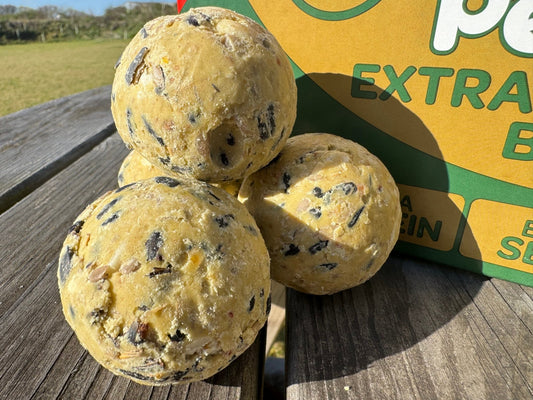
“Extra Goodness” Fat Balls
Regular price From £15.99 GBPRegular priceUnit price per£15.99 GBPSale price From £15.99 GBP -
“Natural Balance” Fat Balls
Regular price From £13.99 GBPRegular priceUnit price per£13.99 GBPSale price From £13.99 GBP





Can You Still Feed Garden Birds Safely? 'Yes!'
Expert advice from Professor John E. Cooper, wildlife pathologist
Recent concerns have raised questions about feeding garden birds.
The answer is simple: yes, you can continue feeding birds safely.
It's not about whether we feed birds, but how we do it.
With clean feeding practices, fresh food, and good hygiene, feeding birds remains both safe and beneficial - for wildlife and for people.

Let customers speak for us

Budgies seem to be enjoying this.

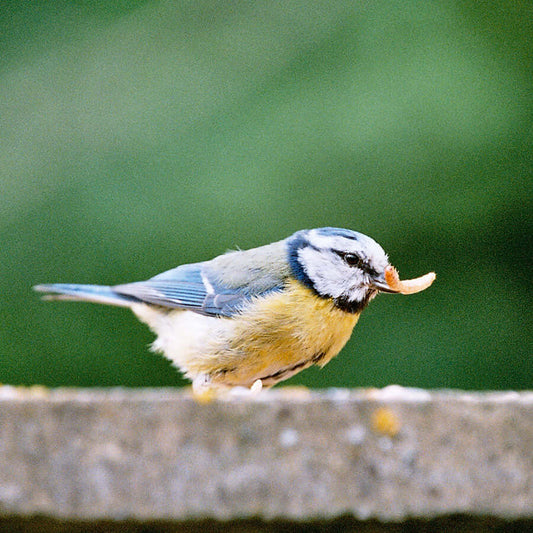
No sooner had I filled one container & sat back to watch, the Blue Tits, Robin and even a female Blackbird had polished off half of the contents.
So I guess that speaks for itself doesn't it?

Delivery very good.
Clean seed and best of all the birds don’t chuck it on the floor.
Thanks Malcolm

Your peanuts & seeds are always so clean. Delivery so quick. Really pleased with everything

Birds loved the seed, nice and clean. Unfortunately the price has shot up to more than i can afford 😕. 2x20kg bags were £70 have now jumped upto £99.98.

Fine
Fine I know your seed I have been buying form from you for 50 years
Bravo budgie seed is brilliant, so clean and fresh. Very quick delivery, usually the next day. My Georgie loves it and I would not give him anything else.

The pigeons love this seed

The seed arrived in perfect condition, well packaged and very clean. My canaries are enjoying their daily helpings and I'm happy id they're happy...So...all good. Thank you.

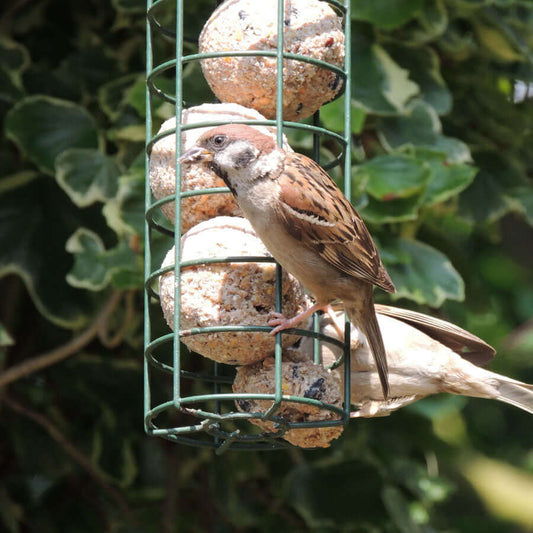
I can barely keep up with refilling my two fat ball containers. Both are squirrel proof but because the fat balls are disappearing so fast I wondered what was eating them. I hid and kept watch and indeed it is the song birds who are wolfing them down. Blue Tits, Great Tits, Chaffinches, Robins on the feeders and Blackbirds and Pheasants on the ground waiting for pieces to fall. I am having to refill my feeders twice a day because they are empty withing 2 hours of filling up. I have never seen anything like it. I assume the birds must be taking some home for their babies too.
Birds like it better than the cheaper ones with excess husks. 8 loke it as 8t keeps my patio and kitchen floor less messy.

The birds love it !!!
The birds love the food. Great service as well.

These fat balls are excellent, so much better than the previous ones I got last year which were so hard the birds wouldn't eat them! These are soft and very popular, but I have to ration them otherwise the starlings would eat them all in one go given half a chance!
Britain’s Hidden Nature Network
Across Britain, millions of people are already helping wildlife survive - often without realising it.
Together, our gardens form a network that matters more than ever.
This isn't just bird feeding. It's Britain's hidden nature network.

1. The scale of it
More than half of UK households feed birds. That’s around 12 to 13 million gardens across the country.
And beyond feeding, around 25 million gardens provide some kind of space for nature.
Taken together, they cover a greater area than all of our national nature reserves combined.
From above, it would look like a vast green network woven through towns, cities, and countryside.
But that’s not how it exists in reality.
It exists as millions of individual spaces, connected not by fences or borders, but by something more powerful:
People who care.

2. A network of gardens
To us, a garden has boundaries.
To a bird, it is part of a journey.
These spaces act as stepping stones across the country, linking habitats together and creating informal wildlife corridors through landscapes that are otherwise fragmented.
In a world where natural habitats are shrinking and food sources are less predictable, these connections matter more than ever.
They help birds move, feed, rest, and survive.

3. So what happens next?
So the question isn’t whether we should stop feeding birds.
It’s this:
What happens if these stepping stones disappear?
Birds don't just lose a feeding spot. They lose part of their journey.
Don't let your garden fall silent this spring.
If enough gardens go quiet, that network starts to break.
Where do birds go when reliable food sources are removed?
In many cases, there isn’t a simple answer.
But removing reliable food sources doesn’t make that challenge easier.
Global research shows wildlife populations have declined significantly over the past 50 years, largely due to habitat loss and environmental pressure.
Gardens are no longer just places we enjoy nature.
They have become part of nature itself.

4. Why feeding still matters
Feeding birds isn’t about replacing nature.
It’s about supporting it, in the spaces where people and wildlife now meet.
And when it’s done properly, it becomes part of a much bigger system:
A nationwide network of small, cared-for environments that help wildlife navigate a changing world.
One clear example is the Great Spotted Woodpecker.
Once rarely seen in many gardens, it’s now a regular visitor - supported in part by reliable, high-energy food available at feeders, particularly peanuts and sunflower hearts.
It’s a reminder that feeding, when done properly, can support survival and reproduction.
There’s also a human side to this.
Access to birds and everyday wildlife plays an important role in people’s health and wellbeing - offering connection, calm, and a closer relationship with the natural world.

5. Powered by people like you
This is what makes it unique.
It’s not centrally managed.
It’s not owned by one organisation.
It’s not protected by designation.
It's ours.
It's looked after by millions of people every day, often without realising the role they play.
Many of us rediscovered that connection during lockdown - noticing birdsong, watching our gardens come alive.
Let's not lose that connection.
That’s not a small thing. It’s one of the most powerful forces for nature we have.
It's powered by people like you.

6. Feed birds properly
Feeding birds isn’t something to stop.
It’s something to do properly.
✔ Keep food fresh and dry
✔ Feed little and often
✔ Avoid build-up and waste
✔ Clean feeders and water regularly
Most risks linked to bird feeding come down to hygiene and build-up, not the act of feeding itself.
Small changes, across millions of gardens, make a big difference.
You’re already part of it. Keep feeding birds properly.
👉 Learn how to feed birds properly
Done properly, feeding birds doesn't interfere with nature. It supports it.

Not sure where to start?
We’ll guide you.
Find the right food for your garden birds - based on their natural needs.
Backed by decades of experience in bird nutrition and care.
You care about birds. That’s why you feed them.

Clean feeding spaces matter
Healthy birds depend on clean environments.
Regular cleaning and well-designed feeders help reduce risk and support better feeding habits.


Cleaner food. Safer feeding.
Dust, debris, and poor-quality ingredients can increase avoidable risks. That’s why we developed our SuperClean™ process - to help reduce dust and deliver cleaner, fresher food. It’s one of the ways we support safer feeding without asking you to stop.
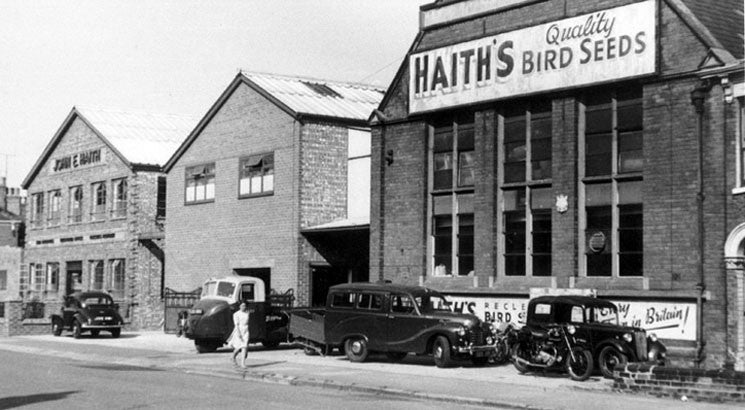
SuperClean™ Seed — The Haith’s Standard
Our SuperClean™ process removes dust, debris, and low-grade material, leaving only fresh, high-quality ingredients birds can digest easily. Cleaner food means less waste, healthier birds, and a better feeding experience for you.
Hand-Blended in Lincolnshire Since 1937
Every mix is carefully blended in-house, combining traditional knowledge with modern quality control. It’s craftsmanship, not mass production.
Trusted by Generations
Garden bird lovers, champion breeders, and wildlife professionals choose Haith’s® for one simple reason: it works. Thousands of five-star reviews reflect decades of consistent quality.
Free UK Delivery Over £35
Reliable, fast delivery — carefully packed in eco-friendly paper packaging wherever possible.
Designed for Bird Health. Built to Last.
Whether you’re feeding robins in winter, rearing canaries, or preparing birds for breeding season, Haith’s® food is made to support long-term vitality and condition.