
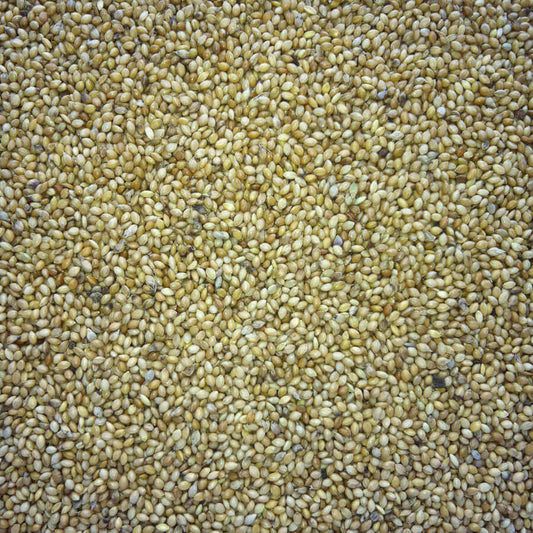
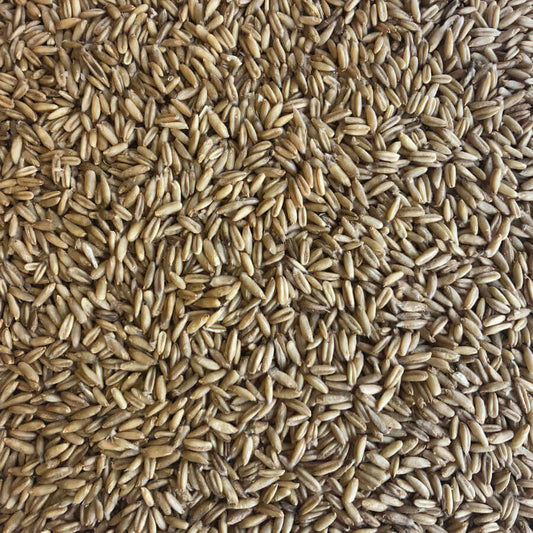
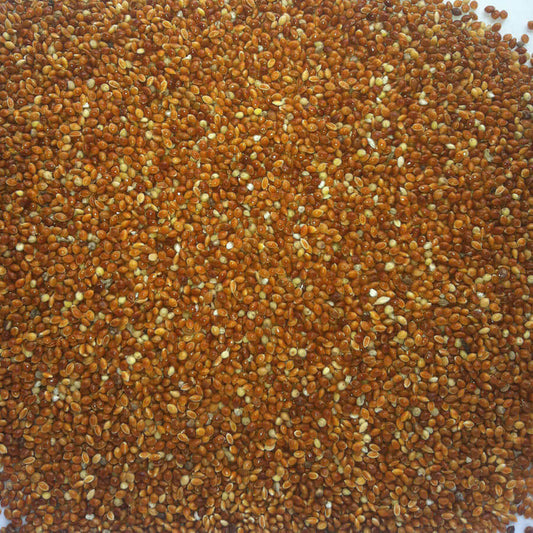
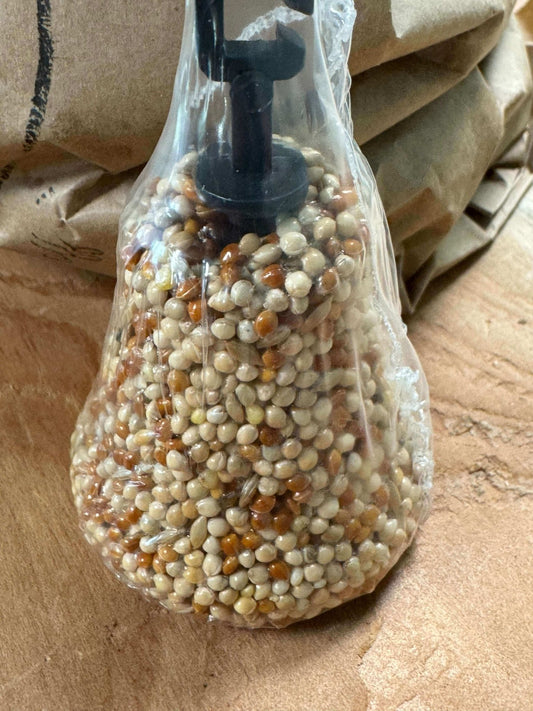
SuperClean™ food for budgies

Budgie Food & Seed Mixes

Explore clean, carefully prepared budgie seed mixes, conditioning foods, millet sprays, softfoods and supplementary foods for pet budgies, breeders and exhibitors.

From everyday feeding to specialist breeding and conditioning routines, Haith’s offers a broad range of foods made using selected ingredients and our established SuperClean™ process.

A practical budgie food guide

Build a Thoughtful Feeding Routine

Different budgies and bird-keeping routines may call for different foods. Start with a suitable everyday budgie seed mix, then explore conditioning foods, millet, softfoods and supplementary products according to your birds’ needs.

Always read the individual product directions and introduce changes to a bird’s diet carefully.

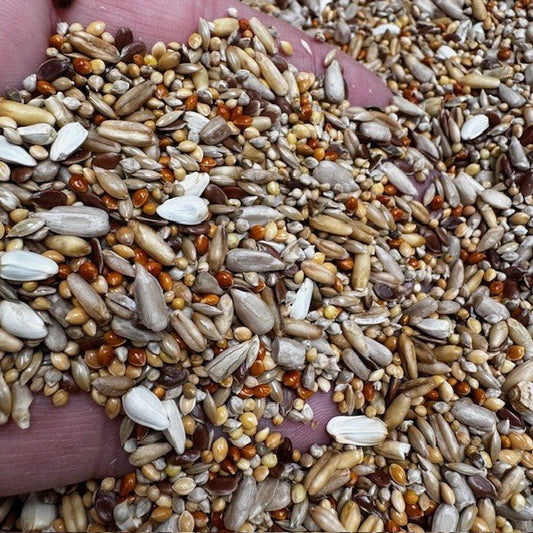
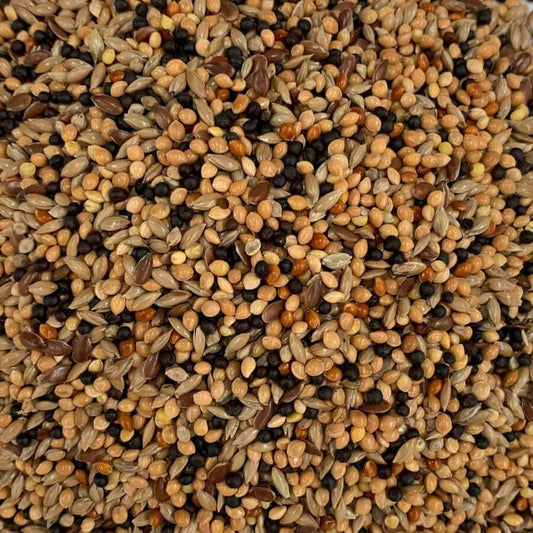
BRAVO! Budgie Seed from Haith's
01

Everyday feeding

Begin with a suitable budgie seed mix

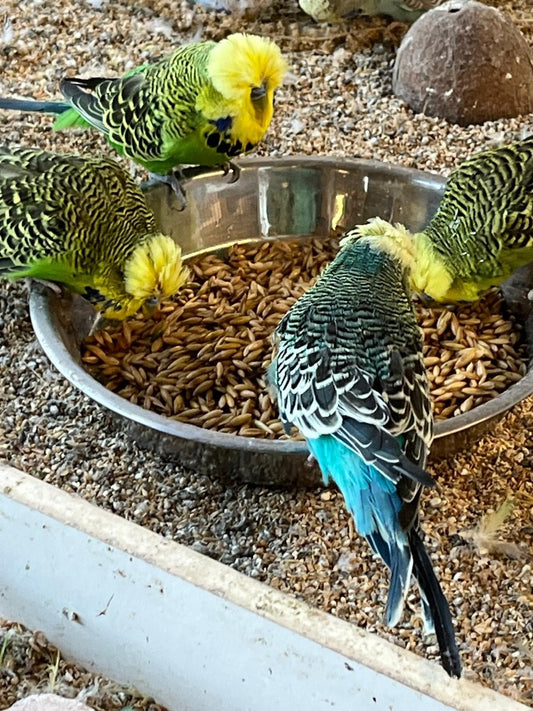
An everyday seed mix can provide the foundation of an established feeding routine. Haith’s offers several recipes for pet budgies, aviaries, breeders and exhibitors.

Explore BRAVO! Budgie Seed™ →
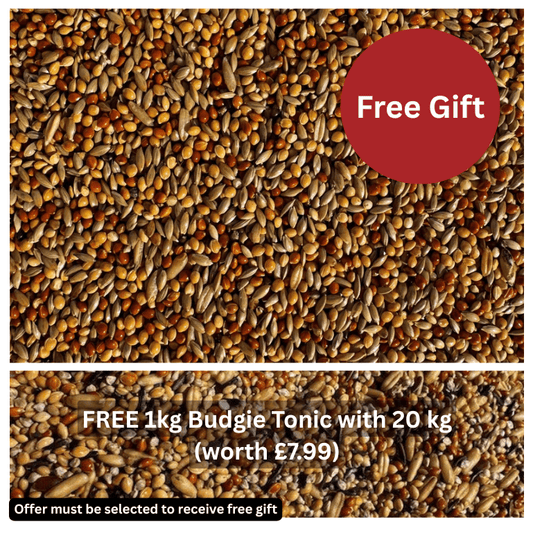
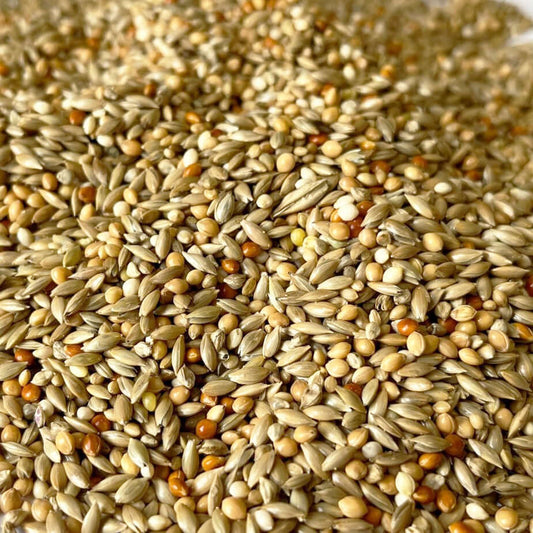
Budgie Tonic Seed with Aniseed Oil
02

Conditioning and variety

Explore tonic and conditioning foods

Tonic seeds and conditioning foods can add variety to a carefully managed routine. Choose a product suited to your purpose and follow its feeding directions.

Explore Budgie Tonic Seed™ →
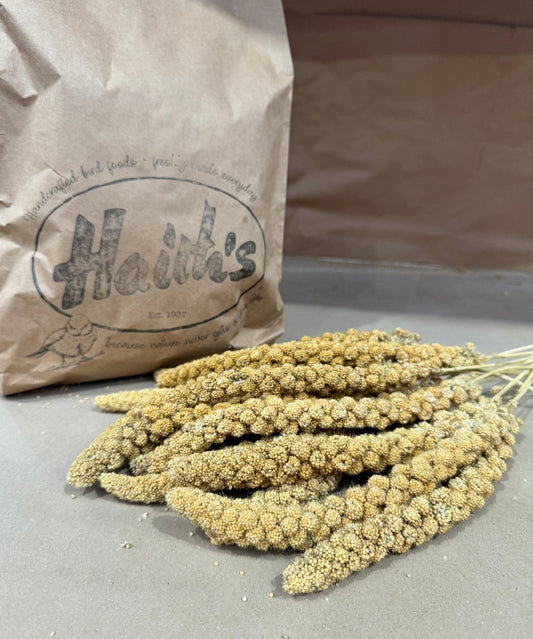
First-grade millet sprays for cage and aviary birds
03

Millet and enrichment

Add interest to the feeding environment

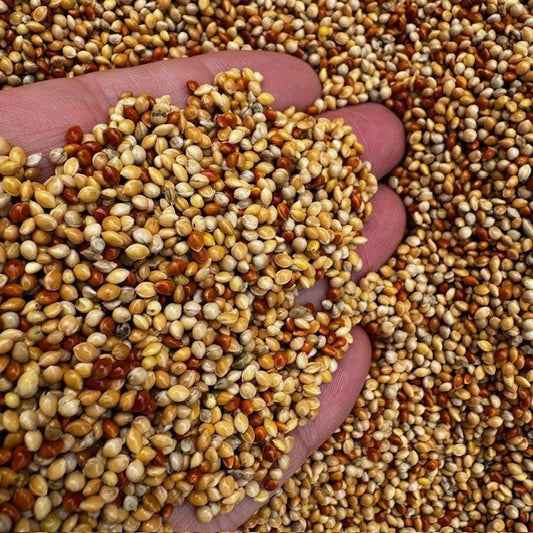
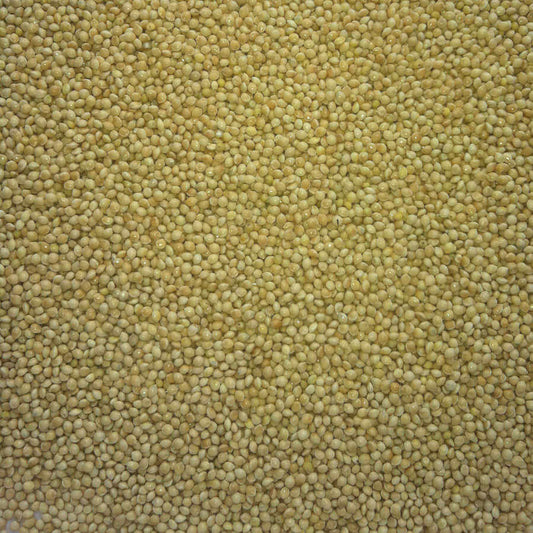
Millet sprays offer another way to present food and can introduce variety to the feeding environment. Offer appropriate amounts as part of the bird’s wider diet.

Explore millet sprays →
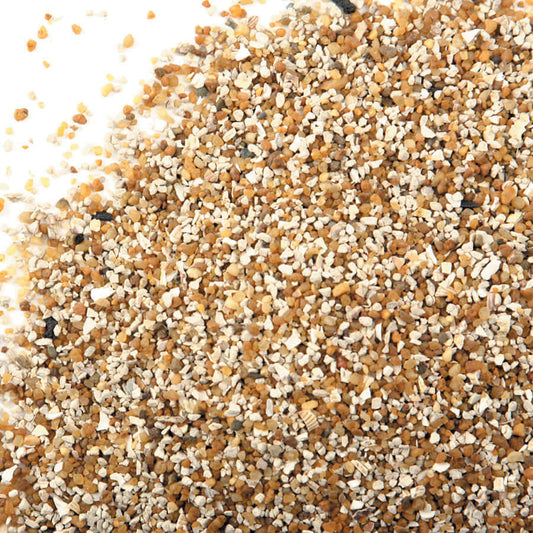
Fine oystershell grit for cage and aviary birds
04

Minerals and supplementary foods

Choose supplementary products carefully

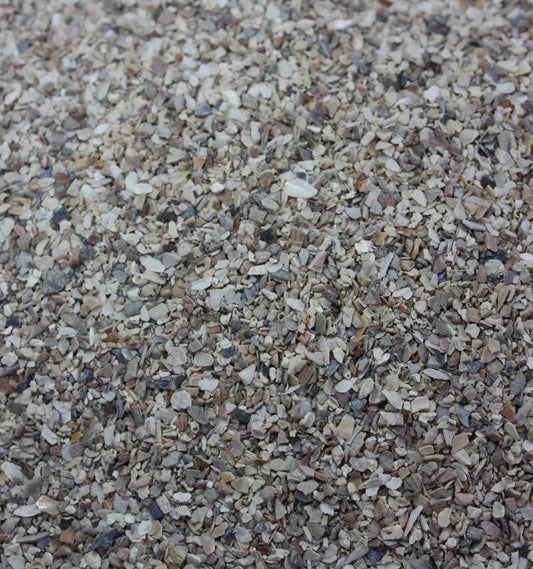
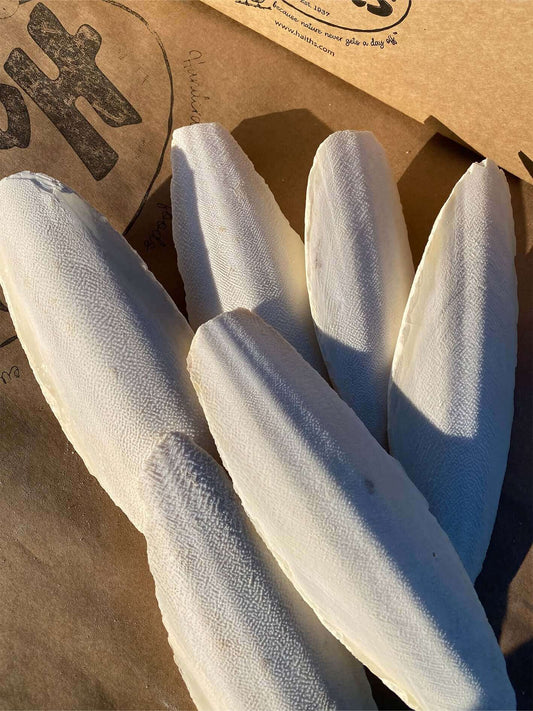
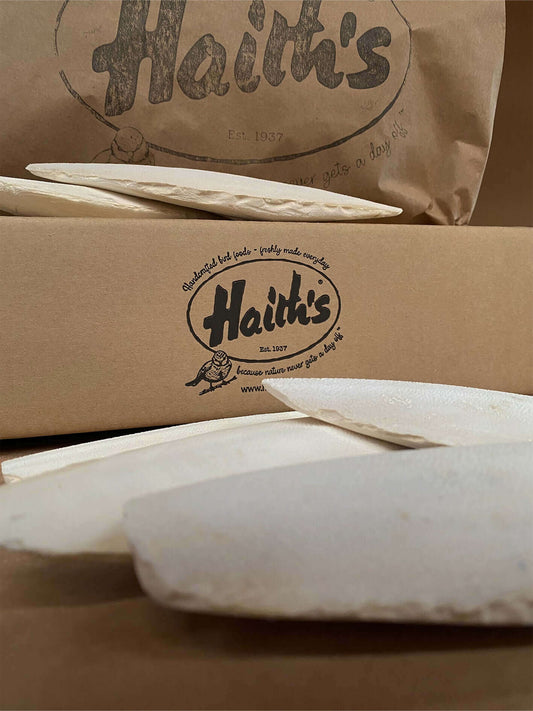
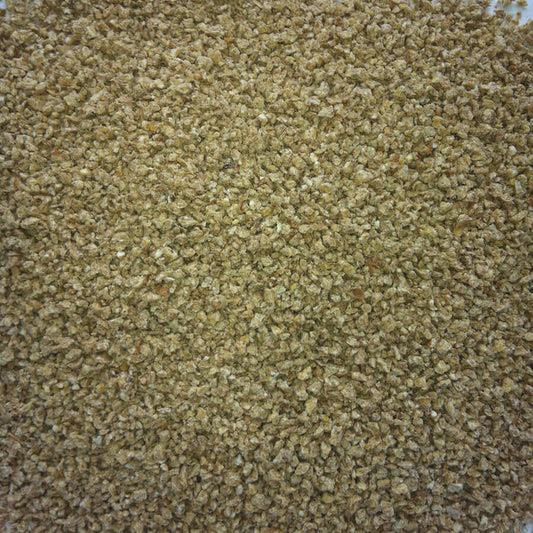
Haith’s offers oystershell grit, mineralised grit and cuttlebone for different bird-keeping routines. Check the product information and seek specialist advice if you are unsure what is appropriate for your birds.

Explore grit and cuttlebone →

Specialist bird-keeping

Breeding, Rearing and Exhibition

Breeders and exhibitors often develop more specialised feeding routines. Our range includes softfoods, conditioning foods, sprouting seeds and mixes developed with experienced bird-keepers.

Browse rearing and conditioning foods

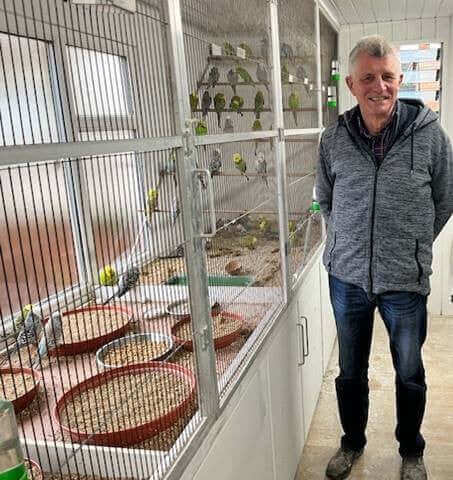
How a World Champion Budgie Breeder Feeds 300+ Exhibition Budgerigars | Haith's

Experience you can draw upon

Budgie-Keeping Knowledge

Budgie-keeping brings together everyday pet care, experienced aviculture and generations of specialist knowledge. Explore our practical articles for further guidance on budgie seed, feeding routines, enrichment, conditioning and breeding.

The individual bird, its present diet, life stage and living environment should always inform feeding decisions.

Budgies eating fresh dandelion leaves
Everyday budgie care

What Else Do Budgies Eat?

Explore general feeding advice, dietary variety and practical considerations for looking after pet and aviary budgies.

Read the feeding guide →
BRAVO! Budgie Seed falling from a seed scoop
Understanding the food

Budgie Seed and Its Ingredients

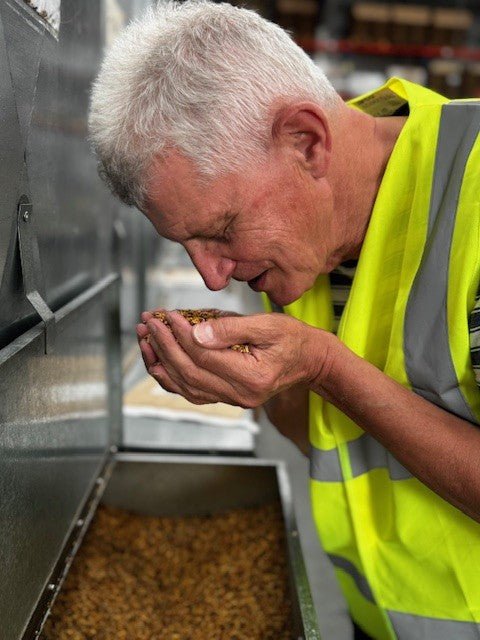
Take a closer look at budgie seed ingredients and the preparation behind Haith’s SuperClean™ bird foods.

Explore budgie seed →
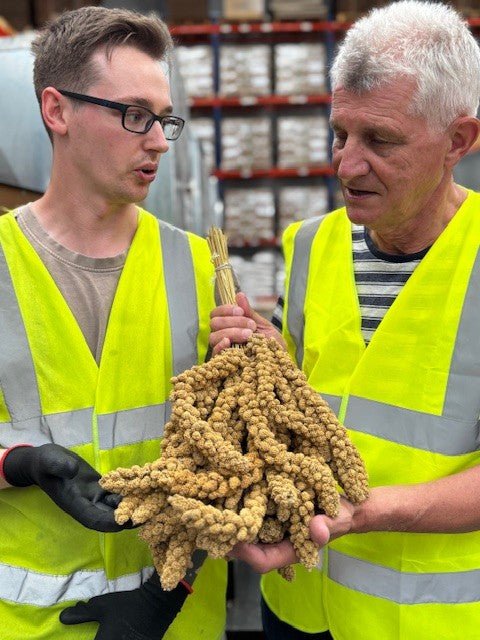
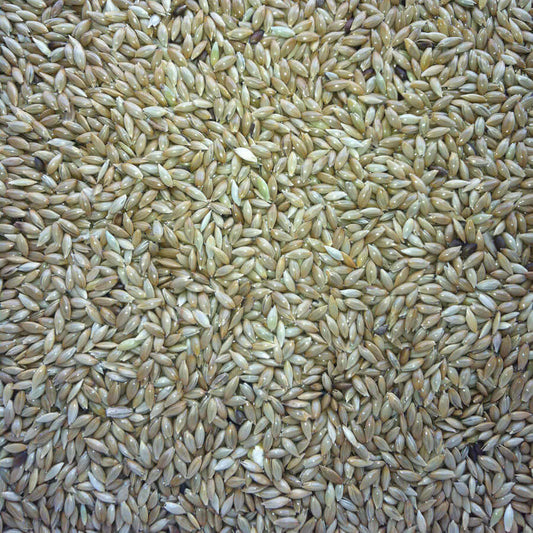
Millet seed and sprays for cage and aviary birds
For experienced breeders

Feeding Budgies for Breeding

Read about the feeding and environmental considerations involved when preparing budgies for breeding.

Read the breeding article →

Helpful answers

Budgie Seed FAQs

A practical starting point for choosing and using budgie food. Product directions should always be followed.

Still unsure? Contact Haith’s →
What budgie seed should a new keeper choose?

There is no single mix that will be right for every budgie. Start by considering what the bird is already accustomed to eating and choose a clearly labelled food intended for budgies.

Haith’s BRAVO! Budgie Seed™ is an established everyday mix, while Tip Top Budgie Seed includes traces of Haith’s Budgie Tonic. Introduce any dietary change gradually and monitor what your bird eats.

Is seed the only food a budgie needs?

Budgie-feeding routines can include more than one type of food, but the appropriate balance depends on the individual bird. Fresh foods, formulated diets and supplementary products should be introduced safely and in appropriate quantities.

If you are uncertain about your bird’s diet, particularly where health, weight or a sudden change in appetite is concerned, seek advice from an avian veterinary professional.

How should I use Haith’s Budgie Tonic?

Budgie Tonic is a supplementary seed mixture rather than a replacement for the bird’s principal food. Follow the current instructions on the product packaging and product page when deciding how much and how often to offer it.

View Budgie Tonic Seed™ →
Should I give my budgie millet sprays?

Millet sprays can add variety to the way food is presented. They should be offered in sensible quantities as part of the bird’s wider feeding routine, rather than automatically replacing its established food.

Explore millet sprays →
Does every budgie need grit?

Requirements and bird-keeping practices can vary according to the bird, its diet and the type of product being considered. Grit, mineralised grit and oystershell are not necessarily interchangeable, so read each product description carefully.

If you are unsure whether a particular product is appropriate for your budgie, ask an experienced bird-keeping professional or an avian veterinary professional.

Explore grit and cuttlebone →
How should budgie seed be stored?

Keep bird food securely closed in a cool, dry place. Protect it from moisture, pests and contamination, and check the food before feeding. Remove food that appears damp, stale, mouldy or otherwise unsuitable.

How do I change my budgie’s food?

Avoid making an abrupt change without checking that the bird is accepting and eating the new food. Introduce changes gradually, monitor food intake and watch the bird’s behaviour and condition.

Seek prompt professional advice if the bird stops eating, appears unwell or experiences an unexplained change in condition.